


-
 Single Family Plans
 - View All Single-Family Plans
- New Plans
- Open Floor Plans
- Best-Selling
- Exclusive
- Plans With 360 Virtual Tours
- More Single-Family Collections
-
 Garage Plans
 - View All Garage Plans
- Garages With Apartments
- 3 Car Garage Plans
- 2 Car Garage Plans
- 1 Car Garage Plans
- Garages With A Loft
- More Garage Collections
-
Recreation Plans
- Pool Houses
- Sheds
- Gazebos
- Workshops
- View All Recreation Plans
-
 Multi-Family Plans
 - Duplex Plans
- Tri-Plex Plans
- Four-Plex Plans
- View All Multi-Family Plans
-
Single Family Plans
- View All Single-Family Plans
- New Plans
- Open Floor Plans
- Best-Selling
- Exclusive
- Plans With 360 Virtual Tours
- More Single-Family Collections
-
Garage Plans
- View All Garage Plans
- Garages With Apartments
- 3 Car Garage Plans
- 2 Car Garage Plans
- 1 Car Garage Plans
- Garages With A Loft
- More Garage Collections
-
Recreation Plans
- Pool Houses
- Sheds
- Gazebos
- Workshops
- View All Recreation Plans
-
Multi-Family Plans
- Duplex Plans
- Tri-Plex Plans
- Four-Plex Plans
- View All Multi-Family Plans


Creating a Timeless Look with Craftsman Bungalow Floor Plans
May 10, 2023
Tim Hampton


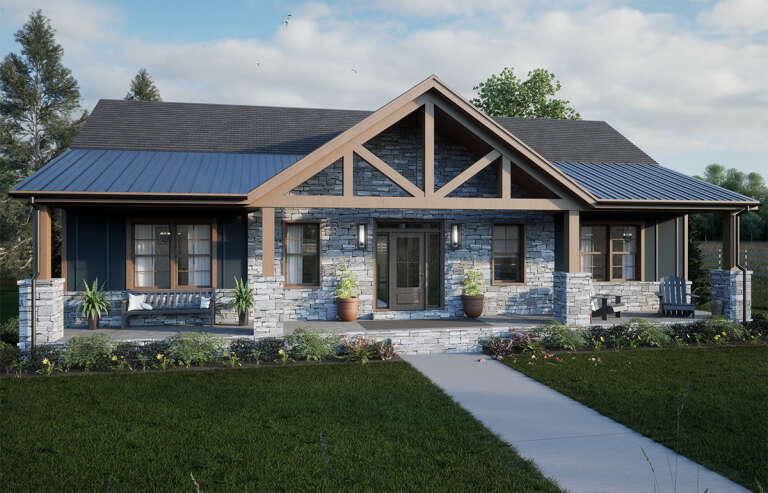
Craftsman Bungalow floor plans offer a classic architectural style that has remained popular for over a century. The unique appeal Craftsman Bungalow homes offer lies in their simple, functional design, quality craftsmanship, and connection to nature.
This is done through the perfect pairing of the Craftsman architecture—which features low-pitched rooflines; large, covered front porches; exposed wooden beams in the ceilings; and built-in furniture such as bookcases, benches, and cabinetry—with Bungalow-style homes. Bungalow homes are smaller than the average American home and frequently only a single story, allowing home builders to focus an ample amount of time and attention on every Craftsman detail.
What is a Craftsman Bungalow?
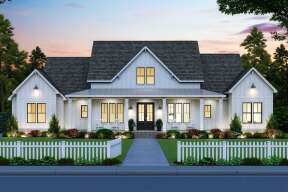
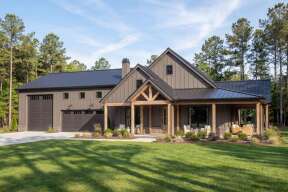
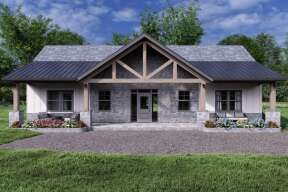
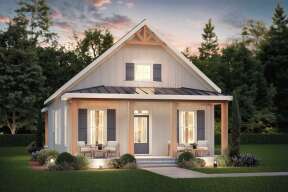
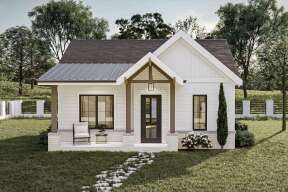
Before diving into the details of designing Craftsman Bungalow floor plans, let’s be clear on what exactly it is. A Craftsman Bungalow is a small, one to one-and-a-half-story house that originated in the early 20th century as a reaction to the overly ornate Victorian architectural style. It’s characterized by its low-pitched, gabled roof, broad eaves with exposed rafters, and a front porch supported by thick, tapered columns. Craftsman Bungalow house plans highlight the use of natural materials, like stone, brick, and wood, and highlight the skills of the craftspeople who built the house.
What is the difference between Craftsman and Craftsman Bungalows?
Is there a difference between these two terms? While they’re often used interchangeably, there is a subtle distinction between Craftsman and Craftsman Bungalow styles. A Craftsman house is a broader category that covers a variety of house styles, including Bungalows, all of which share common design elements such as natural materials, exposed rafters, and a strong connection to nature.
The Craftsman Bungalow is a specific type of Craftsman house, characterized by its smaller size, single or one-and-a-half-story design, and prominent front porch.
What are the different types of Craftsman Bungalows?
Now that you know a Craftsman Bungalow is a subset of the Craftsman architectural style, did you know there were further subsets of those Bungalows? When you’re looking at floor plans, there are several types of Craftsman Bungalow layouts you can consider, each with its own unique features:
Classic Craftsman Bungalow
This is the most common type, characterized by a low-pitched roof, wide eaves, exposed rafters, and a front porch supported by tapered square columns. The exterior typically features natural materials like wood, stone, or brick.
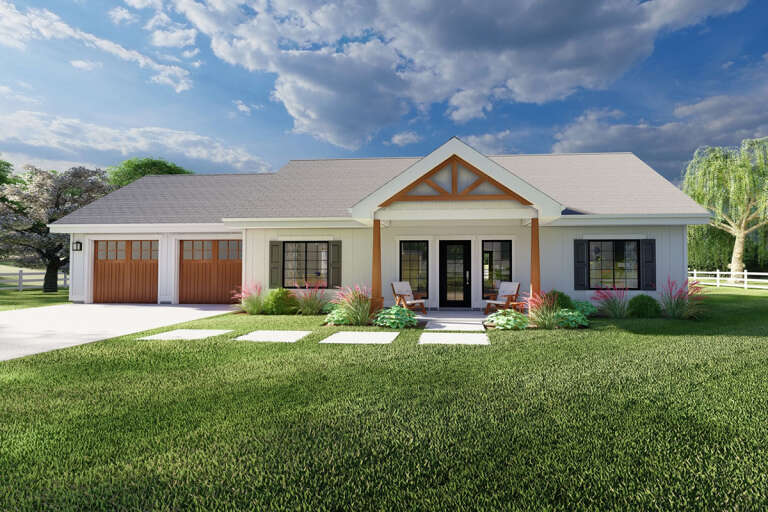
California Bungalow
This subtype originated in California and quickly spread across the country. It’s like the Classic Craftsman but usually has a more modest size and a simpler design, with a focus on indoor-outdoor living spaces.
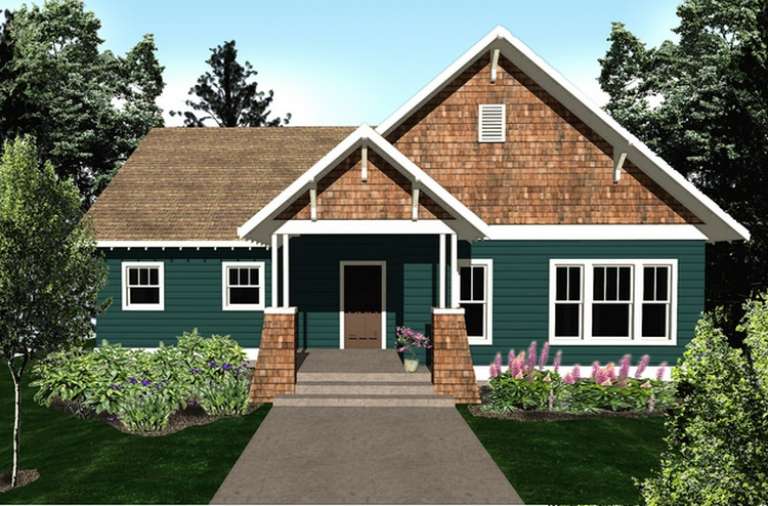
Chicago Bungalow
Found predominantly in Chicago and the Midwest, this variation is characterized by a brick exterior, a low-pitched roof, and a full or partial-width front porch. It often has a more compact and narrower layout to fit within the city’s lot sizes.
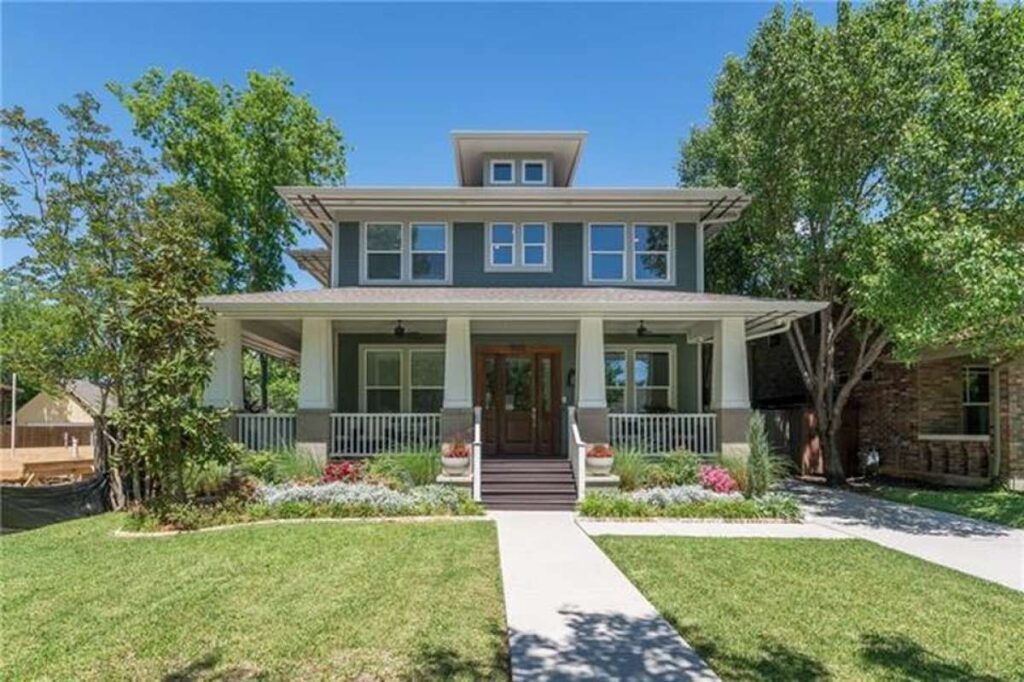
Airplane Bungalow
This subtype gets its name from the small second-story “pop-up” room, which resembles an airplane cockpit. The additional room often serves as a bedroom or office and has windows on all sides, providing ample natural light and views.
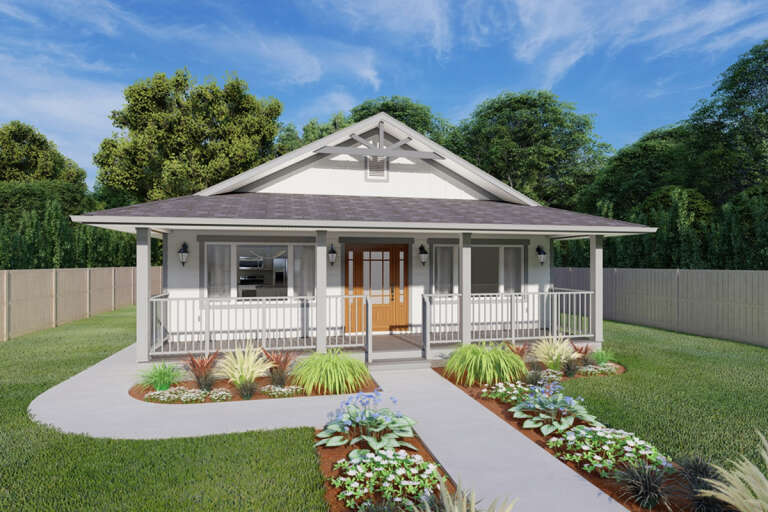
Prairie Bungalow
Inspired by Frank Lloyd Wright’s Prairie School of Architecture, this type emphasizes horizontal lines and a strong connection with the landscape. It often features low-pitched roofs, wide eaves, and long bands of windows.
What are the unique features of a Bungalow house?
Of course, while each of those subsets of Craftsman Bungalow house plans has its own style, there are some architectural elements that are standard in virtually all Bungalow homes. Some of the unique features of these houses include:
- Low-pitched, gabled roofs. Bungalows typically have a low-pitched roof with wide, overhanging eaves, which provide shade and protection from the elements.
- Exposed rafters and beams. The structural elements of Bungalows are often left visible, highlighting the artistry and natural materials used in construction.
- Front porches. Bungalows usually have a generous front porch, often supported by thick, tapered columns, which serve as an extension of the living space and encourage interaction with the surrounding neighborhood.
- Built-in furniture and cabinetry. Bungalows often feature built-in furniture, such as window seats, bookshelves, and cabinets, which contribute to the efficient use of space and add character to the home.
- Natural materials. Craftsman Bungalows emphasize the use of natural materials, such as wood, stone, and brick, which create a warm, organic aesthetic.
What are the advantages of a Bungalow?
While most people often associate Bungalows with a quaint, uncomplicated way of living, Bungalows have quite a few advantages for homeowners that they may not consider right off the bat. Here are a handful of the highlights of building a Bungalow that may not be immediately obvious:
Exceptional Accessibility
Bungalows are typically single-story homes or have a partial second story, making them suitable for individuals who prefer living on one level. This feature allows for easy access to all areas of the home, both indoors and outdoors, and is especially helpful for seniors, people with mobility issues, or families with young children, as it eliminates the need for climbing stairs.
Open, Airy, and Easy Maintenance
Craftsman Bungalows often feature open floor plans that create a more spacious, airy, and bright interior. This design promotes better air circulation and allows for flexible use of space, making it easier to customize the layout to meet the needs of the occupants. Additionally, the smaller size and open-air design of bungalows make them easier to maintain, both in terms of cleaning and upkeep. There is less exterior surface area to maintain, and tasks like painting or repairing the roof can be more manageable.
Natural Beauty and Style
Bungalows are known for their strong connection with the surrounding environment. They often have large windows, porches, and patios, which allow residents to enjoy the outdoors and facilitate indoor-outdoor living. They also frequently have unique architectural details and quality, such as exposed wood beams, built-in cabinetry, and custom woodwork, which add character and charm to the home.
Smaller Price Tag
Bungalows are often more affordable than larger, multi-story homes. They usually require less square footage and fewer building materials, which results in lower construction costs. Additionally, their smaller footprint may lead to reduced utility costs and property taxes.
What is the best layout for a Bungalow?
While the ideal layout for a Bungalow will vary depending on individual needs and preferences, there are some general guidelines to consider when choosing a Craftsman Bungalow floor plan. Here are several design suggestions:
- Keep the floor plan open. Embrace an open floor plan, which allows for easy movement between the living, dining, and kitchen areas. This creates a spacious, airy feel and is perfect for entertaining guests and hosting family gatherings.
- Make efficient use of space. Maximize square footage by incorporating built-in furniture and storage solutions, such as window seats, bookshelves, and cabinets.
- Maximize the flow between indoor and outdoor spaces. Prioritize access to the outdoors by incorporating large windows and doors that connect the living spaces to the front porch, backyard, or patio.
- Include room for flexibility. Have flexible spaces that can be adapted to diverse needs, such as a home office, guest room, or playroom.
The timeless appeal of the Craftsman Bungalow lies in its simple, functional design, attention to quality, and connection to nature. By understanding the unique features of this architectural style and considering the guidelines for an ideal layout, you can build a beautiful, timeless living space that reflects the enduring charm of the Craftsman Bungalow.
If you’re ready to stop reading and start browsing actual Craftsman Bungalow floor plans, America’s Best House Plans has thousands of designs ready to be built. Use our filters to narrow down your selections to see exactly what you want, whether you need an extra room for an office, or plan on having a basement. If you need any assistance with your modification choices, our customer service team is always here to help; feel free to contact us.

Tim Hampton
Tim is the Director of E-Commerce at America’s Best House Plans, helping guide the company’s digital strategy and online experience. He works cross-functionally to improve site performance, optimization, and growth, ensuring customers can confidently find, customize, and purchase the right house plan. Thoughtful and customer-focused, Tim supports ongoing innovation across the digital platform.
Related Articles
June 1, 2026
/Alexis Fordham
Ranch vs. Two-Story Homes: Which Is Better for Your Lifestyle?
The number of floors in a home affects far more than its appearance. It influences how easily the…

May 19, 2026
/Alexis Fordham
Modern Farmhouse Versus Craftsman: Which Style Best Fits You?
Modern Farmhouse Versus Craftsman: Which Style Best Fits You? Some homes feel bright and…
May 3, 2026
/Megan Hall
Modern Farmhouse Plans: Why This Style Still Dominates (and How It’s Evolving)
The Modern Farmhouse style has been a favorite among homeowners for years. Its success comes from…
April 28, 2026
/Alexis Fordham
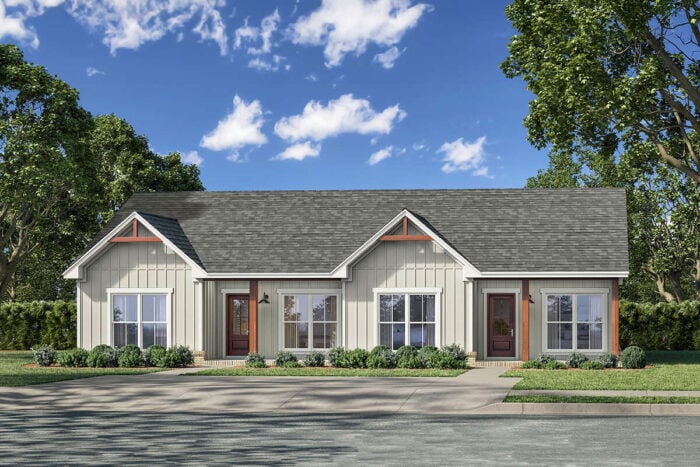
Why Multigenerational House Plans Are Shaping the Future of American Living
In today’s housing market, the definition of the “modern home” is evolving and fast. One of…
April 22, 2026
/Alexis Fordham
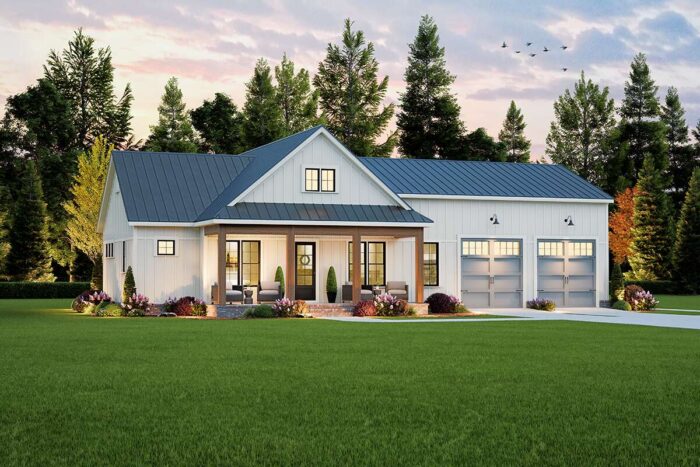
Small Barndominium Floor Plans That Maximize Space
Barndominiums have quickly become one of the most popular choices for homeowners who want flexible…
December 30, 2025
/Alexis Fordham
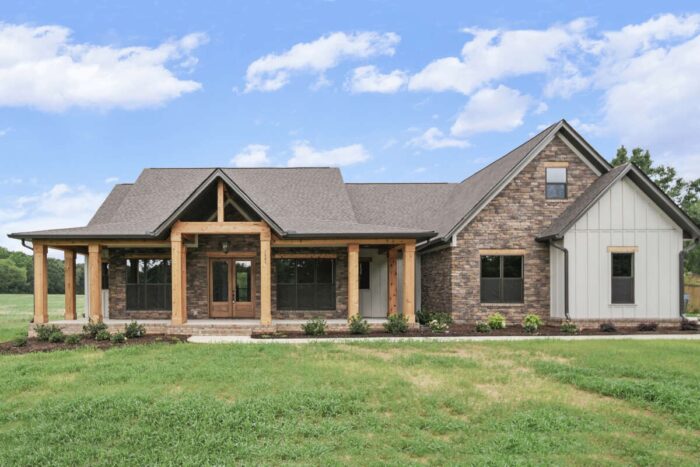
2025 Spotlight – Your Most Loved Home Designs of the Year
From Modern Farmhouses to mountain-ready retreats, these are the 12 house plans that defined…
November 6, 2025
/Alexis Fordham
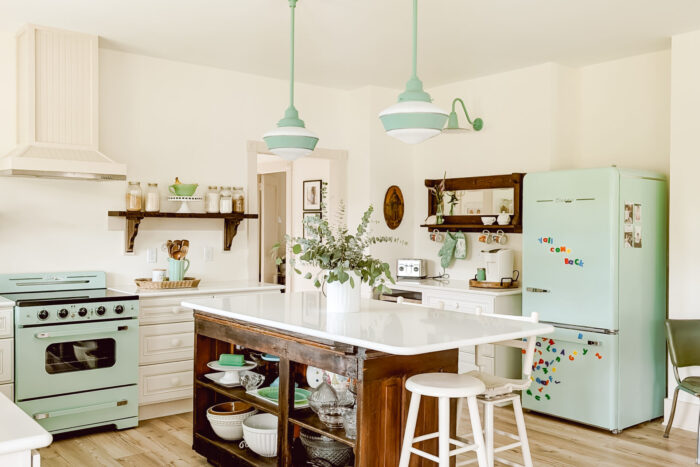
Reimagining a Classic: How White & Woodgrain Customized Plan 041-00348 into a “New–Old Cottage”
When Brittany Hutchison, creator of White & Woodgrain, set out to design a home for her parents…
October 29, 2025
/Megan Hall
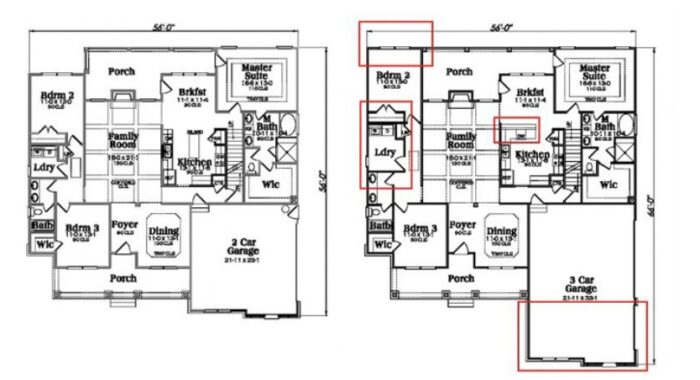
How Modification Requests Are Typically Handled
Modifying Your Dream Home Starts Here Choosing a stock house plan doesn’t mean settling for a…
October 7, 2025
/Tim Hampton
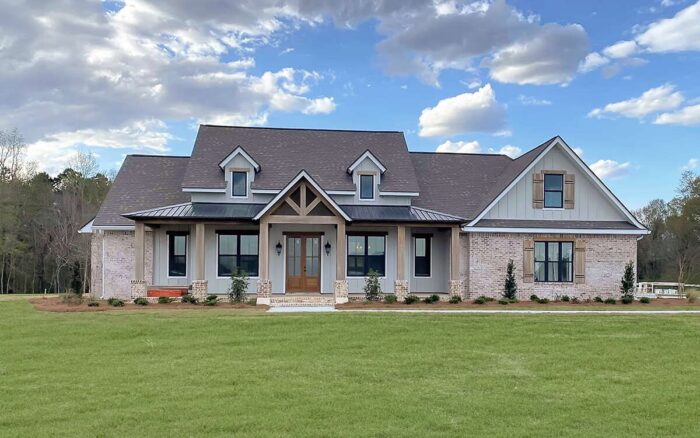
Gables & Dormers: Form, Function & Flair Across Home Plan Styles
Barndominiums, Modern Farmhouses, and rustic cabins all share a unique design language, but few…