



-
 Single Family Plans
 - View All Single-Family Plans
- New Plans
- Open Floor Plans
- Best-Selling
- Exclusive
- Plans With 360 Virtual Tours
- More Single-Family Collections
-
 Garage Plans
 - View All Garage Plans
- Garages With Apartments
- 3 Car Garage Plans
- 2 Car Garage Plans
- 1 Car Garage Plans
- Garages With A Loft
- More Garage Collections
-
Recreation Plans
- Pool Houses
- Sheds
- Gazebos
- Workshops
- View All Recreation Plans
-
 Multi-Family Plans
 - Duplex Plans
- Tri-Plex Plans
- Four-Plex Plans
- View All Multi-Family Plans
-
Single Family Plans
- View All Single-Family Plans
- New Plans
- Open Floor Plans
- Best-Selling
- Exclusive
- Plans With 360 Virtual Tours
- More Single-Family Collections
-
Garage Plans
- View All Garage Plans
- Garages With Apartments
- 3 Car Garage Plans
- 2 Car Garage Plans
- 1 Car Garage Plans
- Garages With A Loft
- More Garage Collections
-
Recreation Plans
- Pool Houses
- Sheds
- Gazebos
- Workshops
- View All Recreation Plans
-
Multi-Family Plans
- Duplex Plans
- Tri-Plex Plans
- Four-Plex Plans
- View All Multi-Family Plans


Why Multigenerational House Plans Are Shaping the Future of American Living
April 28, 2026
Alexis Fordham


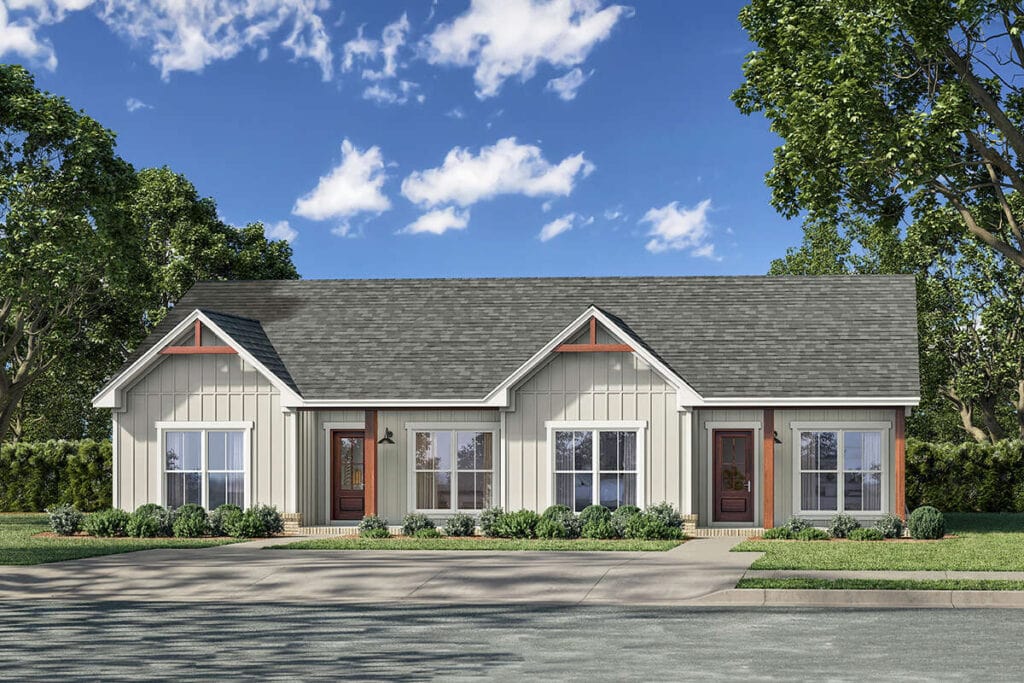
In today’s housing market, the definition of the “modern home” is evolving and fast. One of the most notable shifts? The rise of multigenerational living.
From adult children moving back home to aging parents living with family, more Americans are choosing homes designed to accommodate multiple generations under one roof. And this isn’t just a short-term trend, it’s a long-term transformation in how we live, build, and buy homes.
The Numbers Behind the Trend
Multigenerational living is no longer a niche lifestyle it’s mainstream.
- Over 6 million U.S. households are now multigenerational, up significantly from previous decades, according to the United States Census Bureau.
- Roughly 26 million Americans (more than 8% of the population) live in homes with three or more generations. (USAFacts.org)
- Some estimates suggest as many as 1 in 4 Americans now live in a multigenerational arrangement (generationsunited.org)
Even more importantly, this shift is accelerating. Housing experts widely agree that multigenerational living will continue to grow as affordability challenges, demographic changes, and lifestyle preferences reshape the market.
What’s Driving Multigenerational Living?
This trend isn’t happening for just one reason; it’s the result of several powerful forces converging.
1. Rising Housing Costs
Let’s start with the obvious: affordability. With home prices and interest rates remaining high, many families are pooling resources to make homeownership more attainable. Sharing a home means sharing expenses from mortgages and utilities to maintenance and taxes.
2. Aging Population & Care Needs
As Baby Boomers age, more families are bringing parents or grandparents into the home instead of relying on assisted living.
This setup provides:
- Built-in caregiving support
- Greater independence for older adults
- Emotional and social benefits for the entire family
3. Childcare & Family Support
Multigenerational homes naturally create support systems:
- Grandparents helping with childcare
- Adult children assisting aging parents
- Shared responsibilities across the household
This dynamic reduces costs and strengthens family bonds.
4. Cultural & Lifestyle Shifts
For many families, especially in diverse and immigrant communities, multigenerational living has always been the norm. Today, those values are becoming more widely embraced across the U.S.
Simply put: living together is no longer seen as a fallback, it’s a strategy.
How Home Design Is Adapting
As demand grows, home design is evolving to meet it. Modern multigenerational house plans are no longer about “making do” with space they’re intentionally designed for privacy, flexibility, and independence within a shared home.
Here are some of the most popular design solutions:
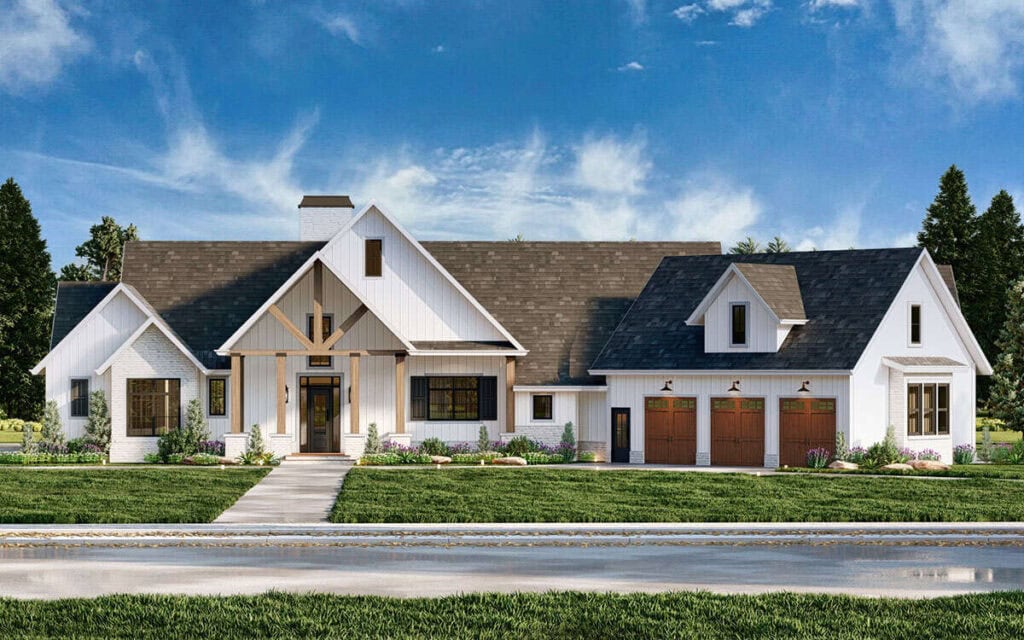
Homes with In-Law Suites
House plans with in-law suites are one of the most sought-after features for multigenerational living.
These spaces often include:
- Private bedrooms and en-suite bathrooms
- Separate entrances
- Secondary kitchenettes or full kitchens
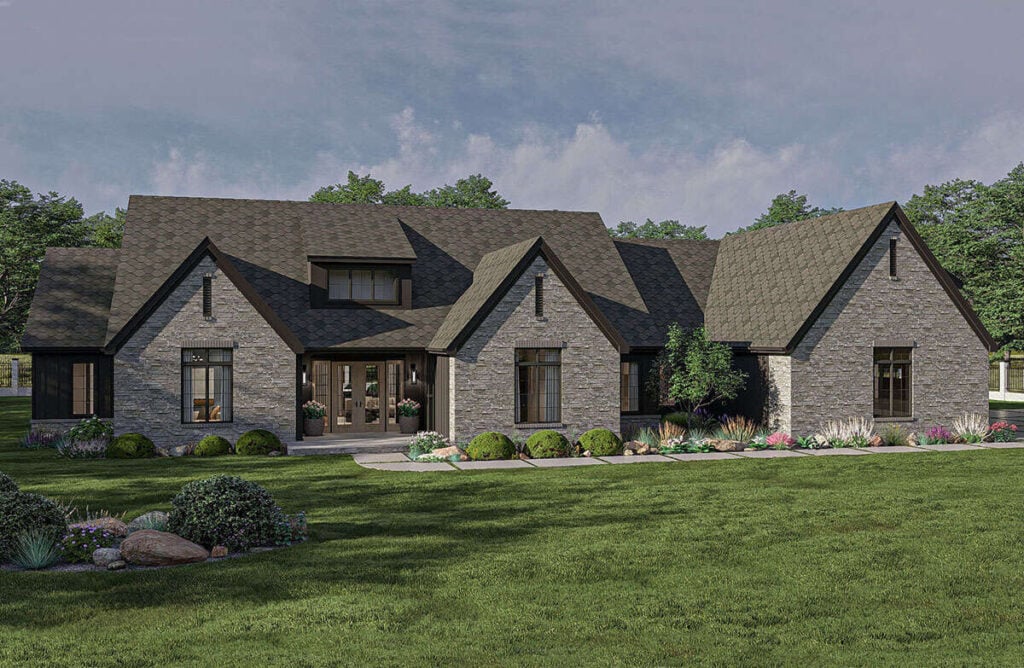
Dual Primary Suites (Two Masters)
Another increasingly popular design is homes with two master suites, allowing multiple adults to enjoy equal comfort and privacy.
This layout is ideal for:
- Parents and adult children
- Couples sharing a home
- Long-term guest accommodations
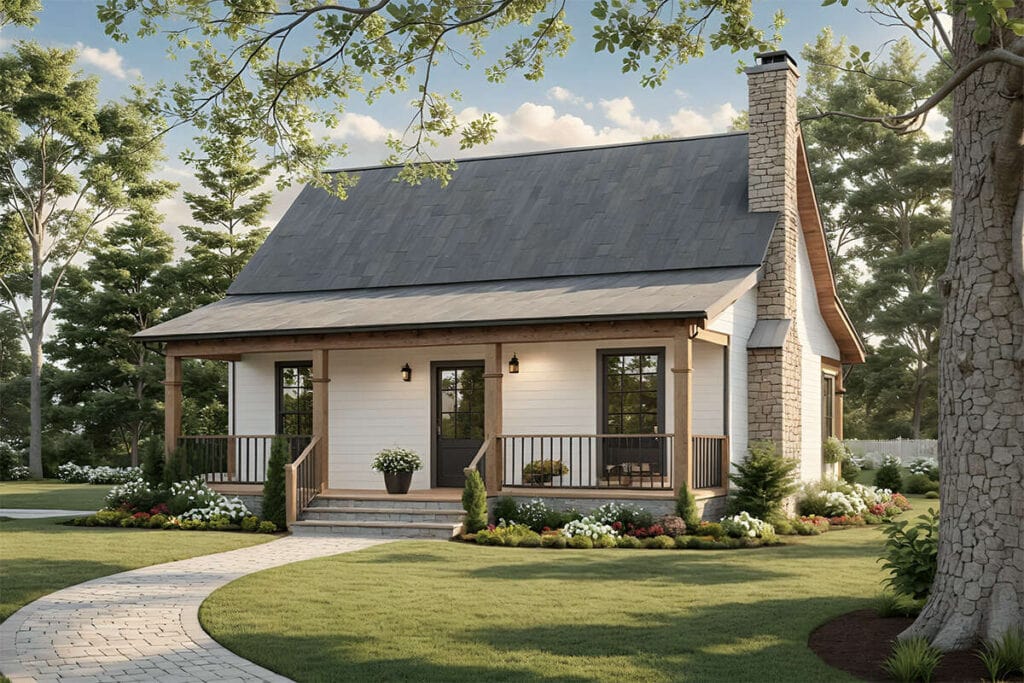
Accessory Dwelling Units (ADUs)
ADUs, sometimes called “granny flats” or backyard cottages, are exploding in popularity.
They offer:
- Independent living spaces on the same property
- Flexibility for family or rental income
- Long-term adaptability
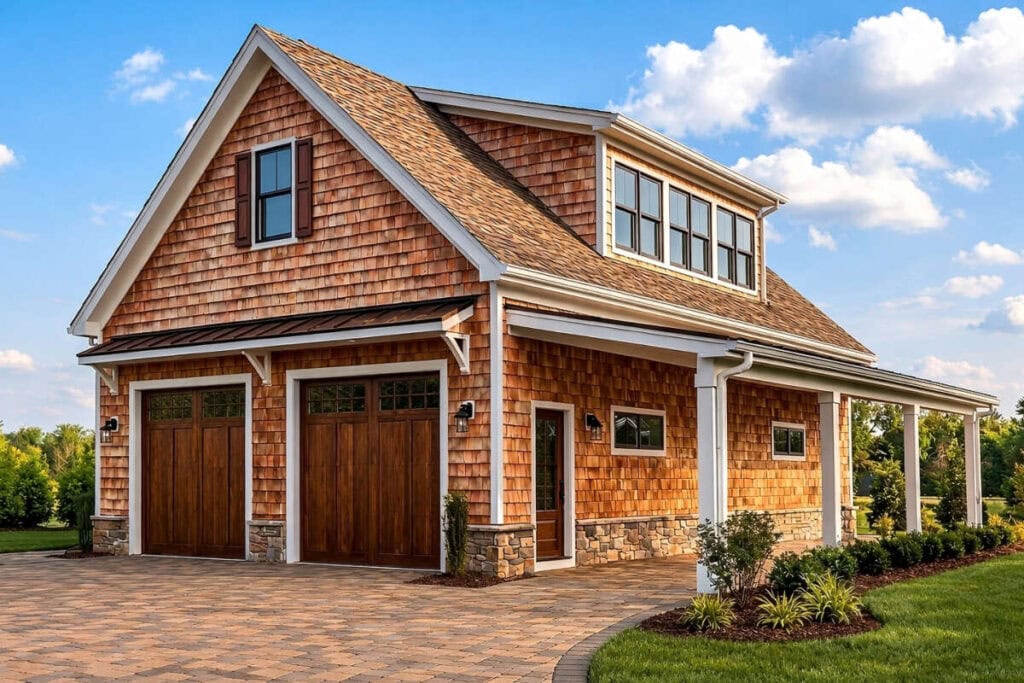
Garage Apartments
Garages with an apartment offer benefits similar to ADUs but are often more cost-effective and space-efficient.
Perfect for:
- Young adults returning home
- Guests or extended family
- Rental opportunities
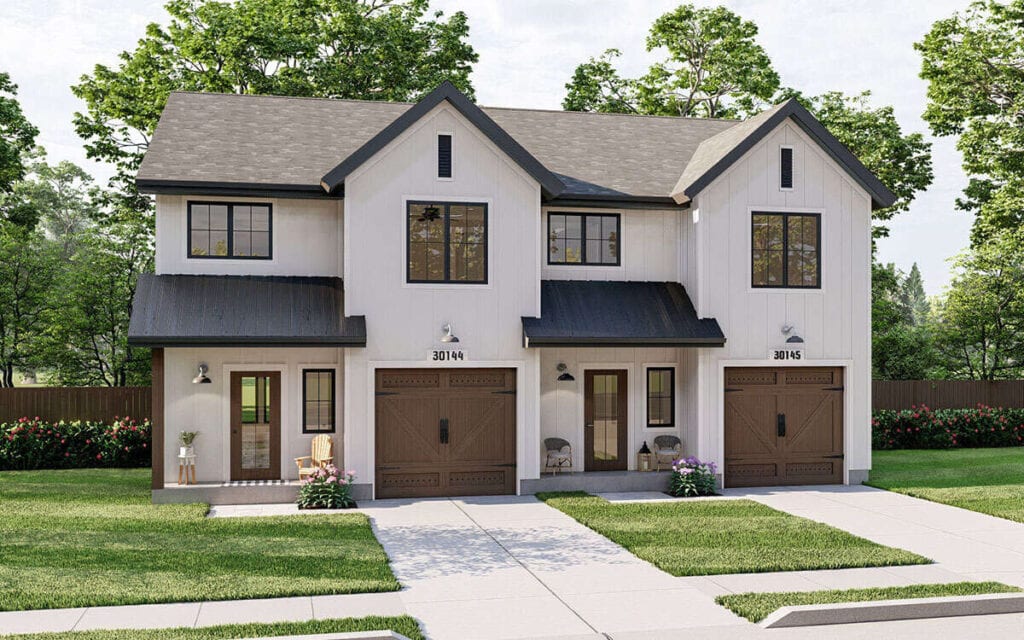
Duplex & Multi-Family Designs
For families who want separation with proximity, duplex and multi-family homes offer the best of both worlds.
These designs allow:
- Separate living units
- Shared property ownership
- Flexible long-term living arrangements
Flexible Spaces (Bonus Rooms & Pool Houses)
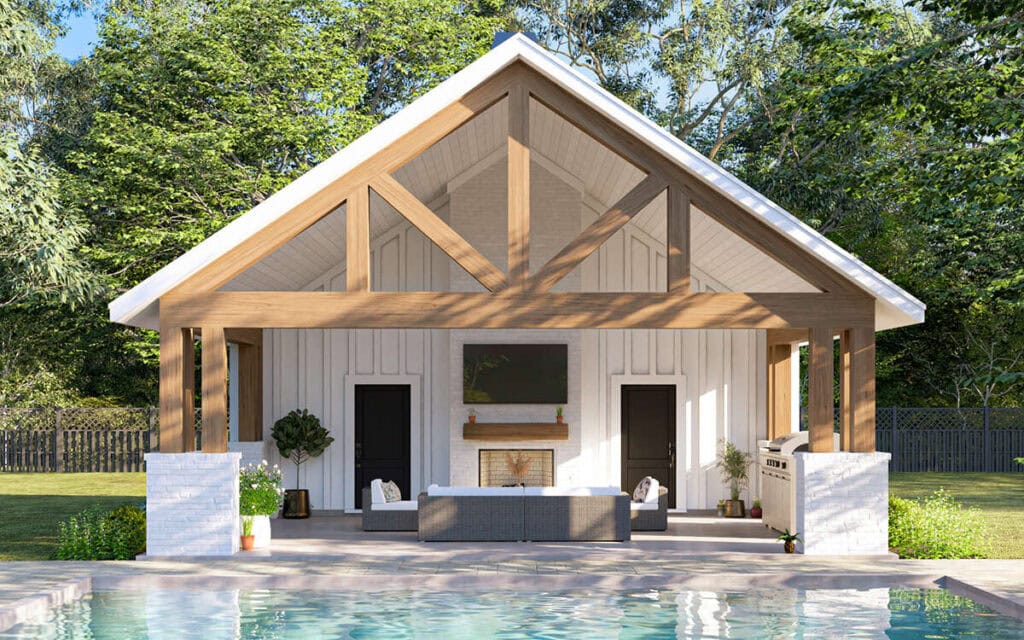
Not every multigenerational need requires a full second unit. Flexible spaces are becoming essential:
- Bonus rooms that can convert into bedrooms or offices
- Pool houses that double as guest suites or private retreats
What Today’s Buyers Really Want
Across all these options, one theme stands out: flexibility.
Modern buyers are looking for homes that can evolve with their lives, and Multigenerational house plans deliver exactly that. A space that works for:
- A young family today
- Aging parents tomorrow
- Adult children returning home later
The Future of American Housing
Multigenerational living isn’t a passing trend; it’s a return to something deeply rooted in how families have lived for generations. But today’s version is smarter, more intentional, and better designed. As economic realities shift and families prioritize connection, support, and flexibility, homes that accommodate multiple generations will continue to lead the market.
For homeowners, builders, and buyers alike, the message is clear:
The homes of the future are built for more than one generation.

Alexis Fordham
Lexie is the Marketing Manager at America’s Best House Plans and leads the company’s social media efforts. With five years on the team, she creates engaging content, builds meaningful connections with our audience, and helps bring the brand to life across platforms. By interacting directly with customers, we gain a deeper understanding of their needs, challenges, and goals. These conversations uncover common pain points and help guide the creation of blog topics and educational content that truly resonate with our audience. Creative and detail-oriented, Lexie plays a key role in how we connect with customers every day.
Related Articles
September 25, 2026
/Megan Hall
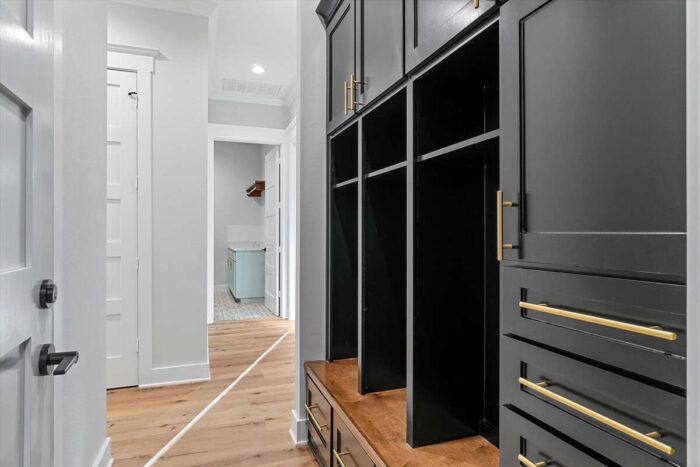
Popular House Plan Features Homeowners Love
Choosing a house plan isn’t only about square footage, bedrooms and architectural style. The spaces…

September 10, 2026
/Tim Hampton
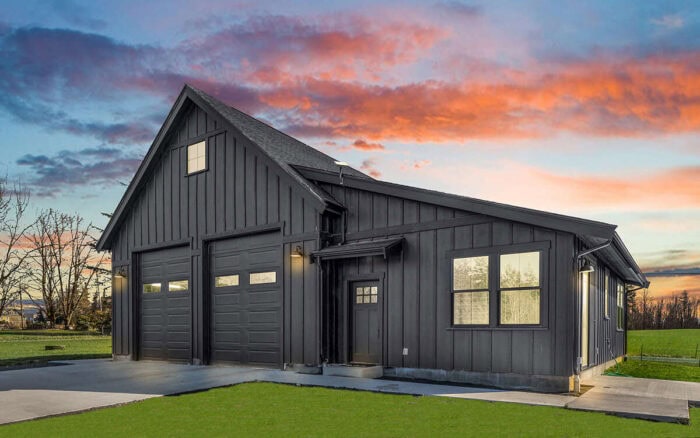
Detached Garage Ideas for Every Property
Detached garage plans can do far more than provide a place to park. Positioned separately from the…
August 25, 2026
/Brandon Hall
How Much Does It Cost to Build a House?
If you’re planning to build your dream home, one question is likely at the top of your list: How…
August 13, 2026
/Alexis Fordham
Trending 2 Bedroom 2 Bathroom House Plans
The best homes aren’t always the largest; they’re the ones designed to make everyday living easier.…
July 29, 2026
/Alexis Fordham
Most Popular 3 Bedroom 2 Bathroom House Plans for Families
When it comes to designing a home for family life, bigger isn’t always better. Many of today’s most…
July 15, 2026
/Tim Hampton
A-Frame vs. Modern Cabin Plans: Which Style Is Better?
If you’re dreaming of building a mountain retreat, one of the many key decisions you’ll make after…
June 29, 2026
/Megan Hall
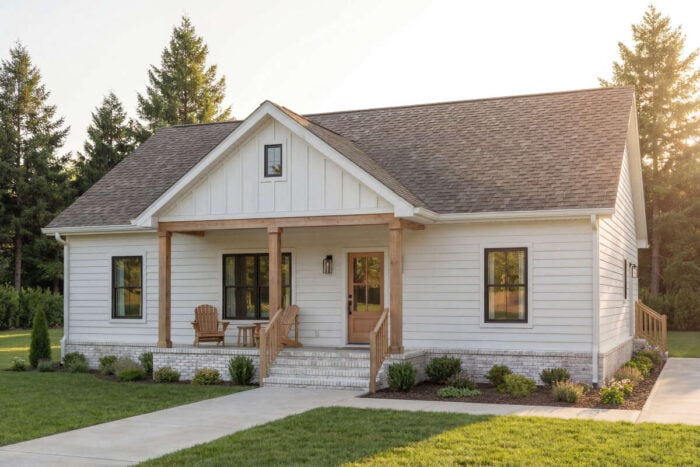
The Ultimate Guide to Cottage Homes: Country Cottage, Modern Cottage & Small Cottage
Few home styles feel as welcoming and timeless as a cottage. From charming country retreats to…
June 15, 2026
/Megan Hall
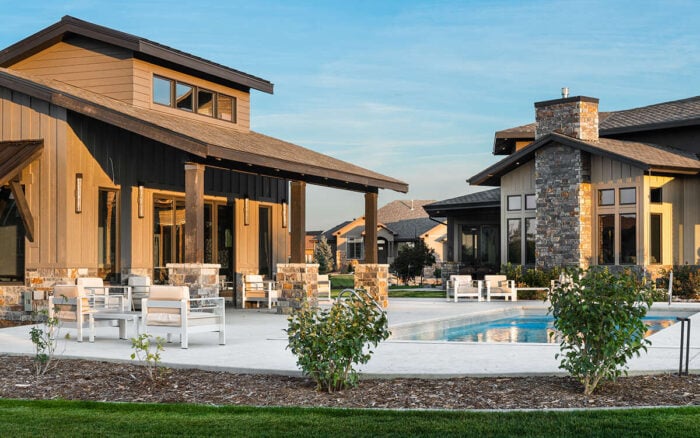
The Rise of Backyard Recreation Spaces in Modern Home Design
For many homeowners, the backyard is no longer just a patch of grass behind the house. It has…
June 1, 2026
/Alexis Fordham
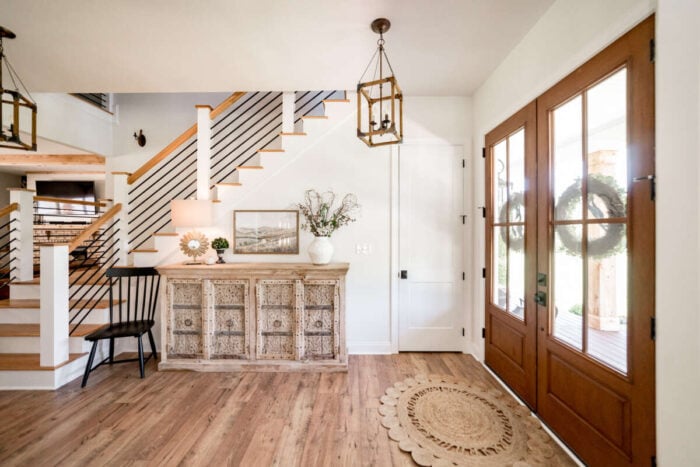
Ranch vs. Two-Story Homes: Which Is Better for Your Lifestyle?
The number of floors in a home affects far more than its appearance. It influences how easily the…