


-
 Single Family Plans
 - View All Single-Family Plans
- New Plans
- Open Floor Plans
- Best-Selling
- Exclusive
- Plans With 360 Virtual Tours
- More Single-Family Collections
-
 Garage Plans
 - View All Garage Plans
- Garages With Apartments
- 3 Car Garage Plans
- 2 Car Garage Plans
- 1 Car Garage Plans
- Garages With A Loft
- More Garage Collections
-
Recreation Plans
- Pool Houses
- Sheds
- Gazebos
- Workshops
- View All Recreation Plans
-
 Multi-Family Plans
 - Duplex Plans
- Tri-Plex Plans
- Four-Plex Plans
- View All Multi-Family Plans
-
Single Family Plans
- View All Single-Family Plans
- New Plans
- Open Floor Plans
- Best-Selling
- Exclusive
- Plans With 360 Virtual Tours
- More Single-Family Collections
-
Garage Plans
- View All Garage Plans
- Garages With Apartments
- 3 Car Garage Plans
- 2 Car Garage Plans
- 1 Car Garage Plans
- Garages With A Loft
- More Garage Collections
-
Recreation Plans
- Pool Houses
- Sheds
- Gazebos
- Workshops
- View All Recreation Plans
-
Multi-Family Plans
- Duplex Plans
- Tri-Plex Plans
- Four-Plex Plans
- View All Multi-Family Plans


What is a Craftsman Style House? From Bungalow Beginnings to Modern Designs
September 16, 2023
Alexis Fordham


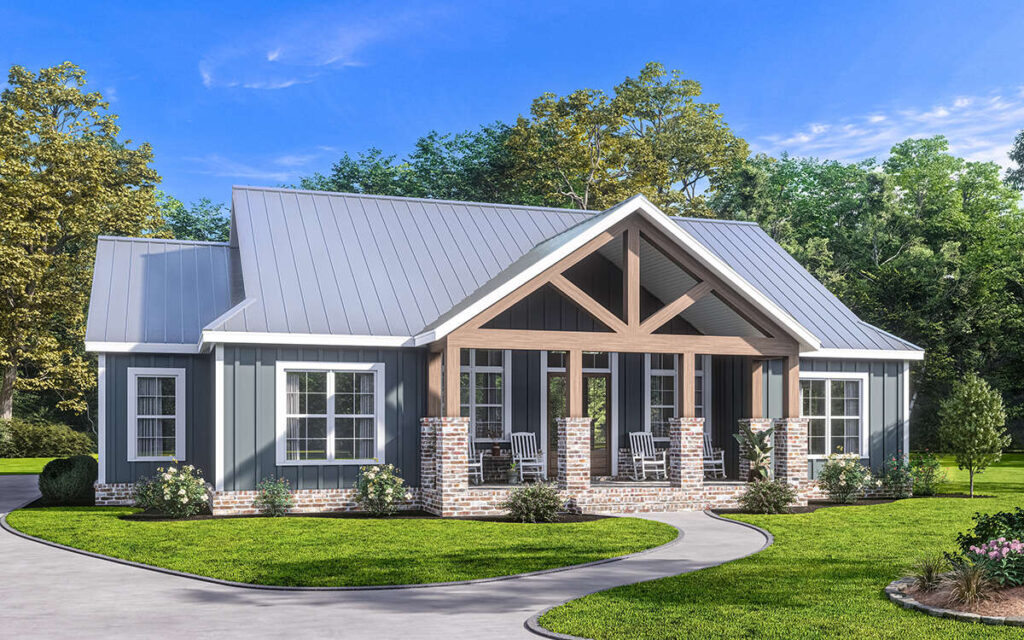
Explore Craftsman-style houses, tracing their journey from classic bungalows to modern designs, while celebrating a century of architectural beauty. Craftsman-style homes have held their place in the architectural world. Today, we’ll uncover why these homes never seem to go out of style.
What is a Craftsman-style house?
Craftsman-style houses are traditional homes with a sense of artistry and design that contrast this style compared to other opulent architectural styles. This style of home favors simplicity and function in their designs while still obtaining an eye-catching appeal. Craftsman homes exude warmth and comfort with a rich sense of artistic history.
What era did Craftsman-style start?
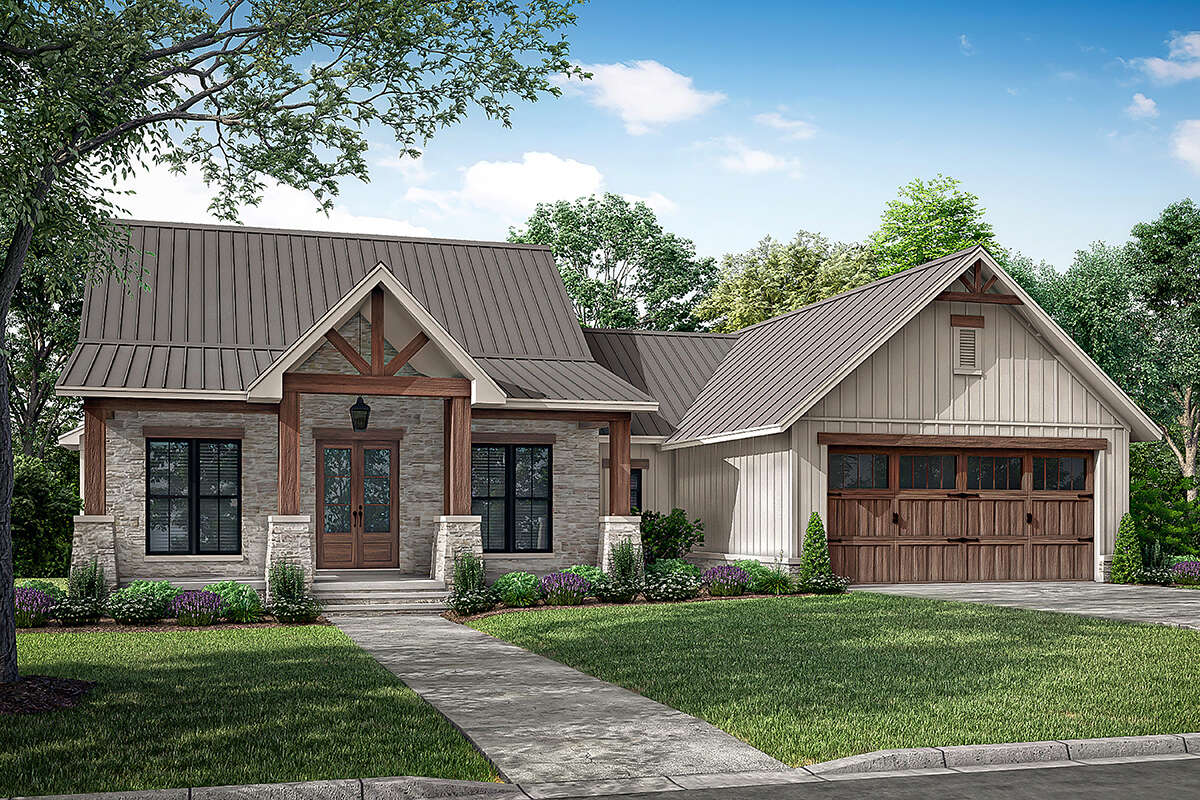
Craftsman-style houses emerged in the late 19th and early 20th centuries. Rooted in the Arts and Crafts movement from 1875 to 1920, Craftsman-style homes became an architectural response to the mechanization and mass production brought about by the Industrial Revolution. By valuing handiwork and individuality and integrating architecture with surrounding nature, Craftsman-style homes offer a distinct departure from ornate and extravagant designs. Craftsman homes embody a unique blend of aesthetics and history that have not only endured through the years but have also influenced modern architectural trends, making them a cherished and relevant choice for homeowners today.
What distinguishes a Craftsman house?
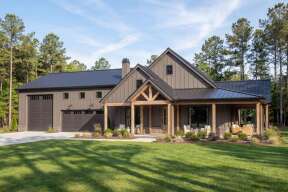
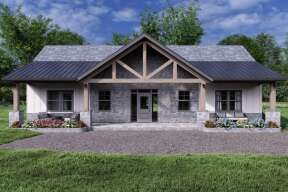
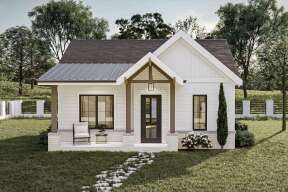
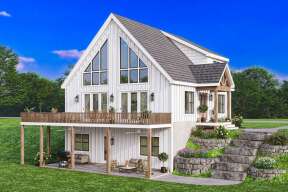
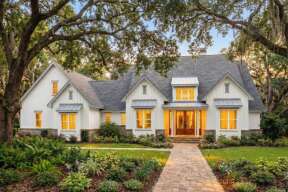
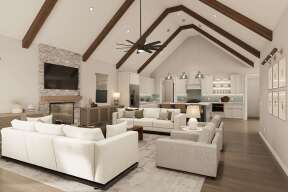
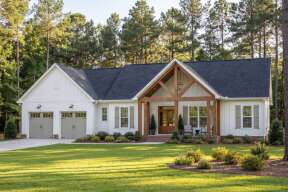
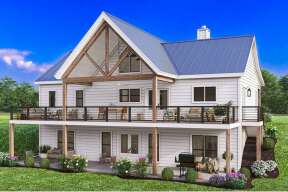
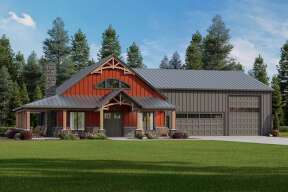
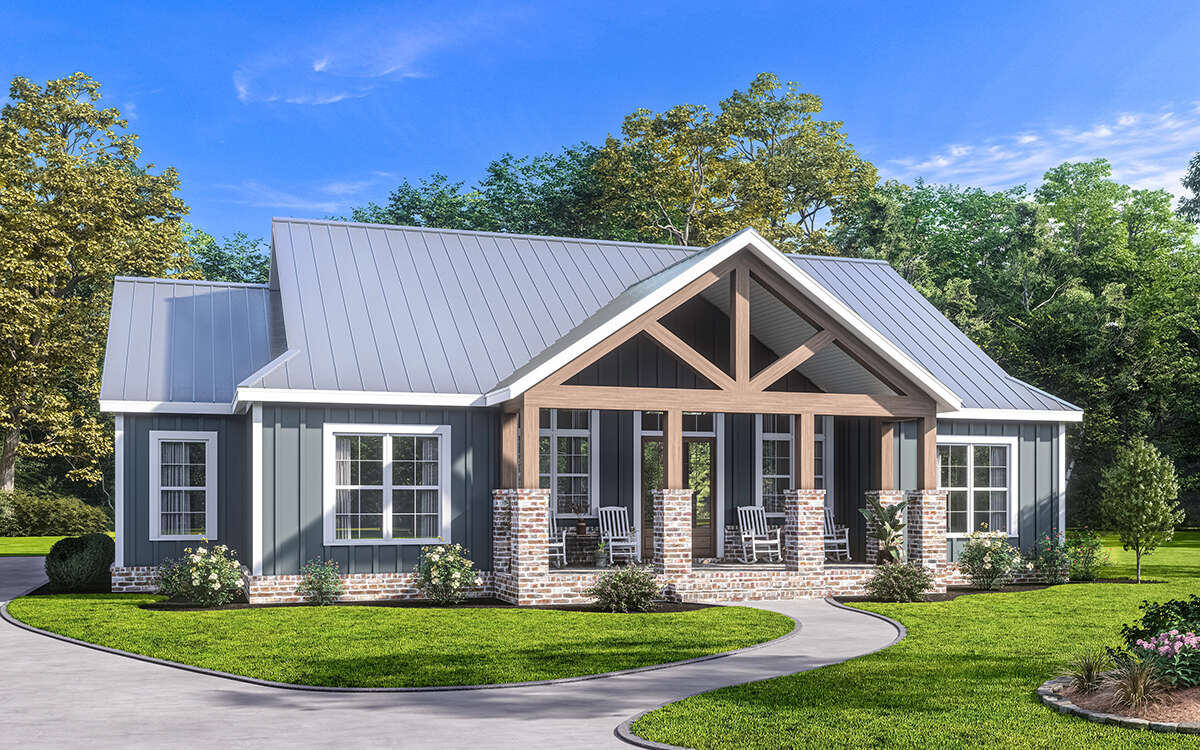
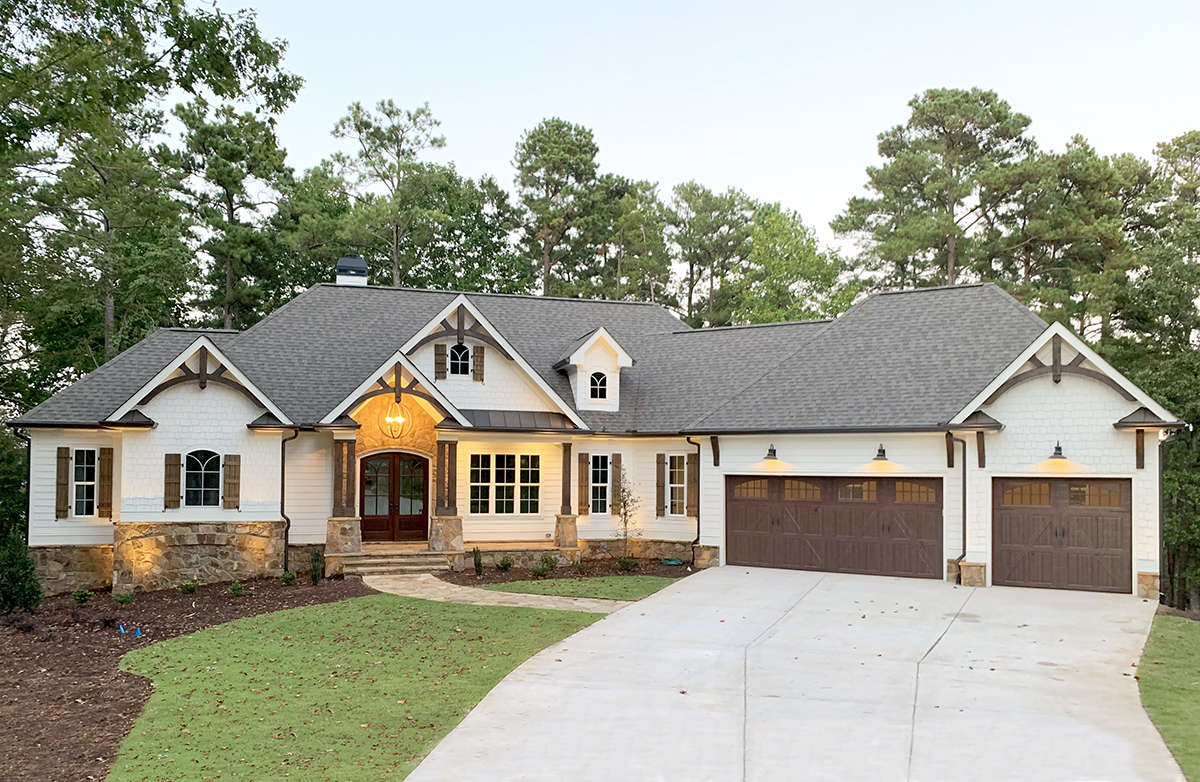
What characteristics distinguish Craftsman houses apart from other house styles and aesthetics? The central identity of these homes is to celebrate handmade craftsmanship. Natural materials are often a hallmark in Craftsman-style homes, showcasing exposed wooden beams, stone foundations, and earthy textures, allowing these structures to embrace the beauty of nature. You’ll notice that the exteriors of these homes boast low-pitched roofs with wide eaves (the edge of the roof that overhangs), which create a sense of shelter and security. To reflect the functionality and artistry of these homes, they often have built-in furniture or storage. Woodwork is an intricate yet powerful characteristic of Craftsman homes; woodwork can be seen in things like decorative brackets or window framing. Intricate and small details bring out the beauty of these homes and make them timeless structures.
Are Craftsman-style houses still in style?
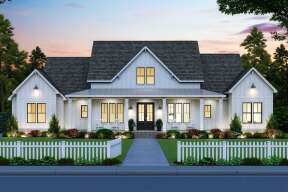
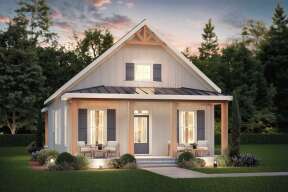
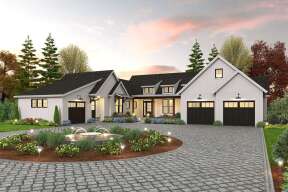
The appeal of Craftsman homes has allowed them to stay in popularity through the years. Not to mention, the rising fame of Modern Farmhouses has sparked more interest in the Craftsman’s aesthetic as the two styles look great when paired together in neighborhoods or small communities. The enduring popularity of these homes can be attributed to the seamless tie between elegance and simplicity. The Craftsman style’s emphasis on handcrafted details and natural materials resonates as powerfully today as it did during its inception. In short, these homes are absolutely still in style and are as admired today as they were in the late 19th century. Some recent Modern Farmhouse plans incorporate Craftsman elements into them as well.
What is another name for a Craftsman-style house?
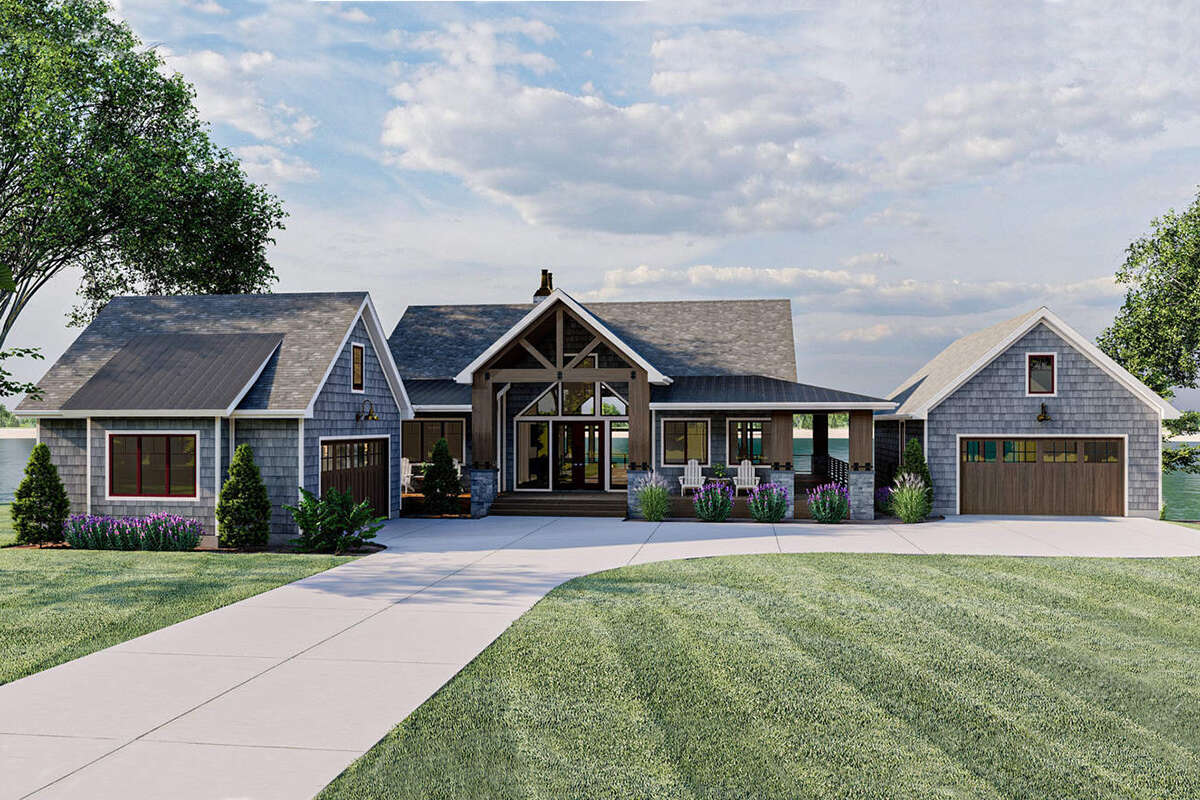
Often referred to as “American Craftsman,” “Craftsman Bungalow,” or simply “Craftsman,” this style gained its name and fame from the moniker “Arts and Crafts.” The term “Arts and Crafts” encompasses not only the architecture of these homes but also the artistic expression that birthed the very concept of these homes. Thus, whether you hear it called Craftsman, American Craftsman, or Arts and Crafts, all these names capture the essence of a design philosophy that celebrates the beauty of handwork.
Where are Craftsman houses most common?
Craftsman homes, with their distinctive charm and enduring appeal, have carved a special place in the architectural landscape across the United States. Of course, like any style of home, they can be found in various regions but certain areas have become particularly renowned for their proliferation of Craftsman style residences. The West Coast boasts a significant appreciation for these homes, as Craftsman-style embraces the surrounding nature that resides there. In comparison, cities like Seattle and Portland cherish the Craftsman aesthetic just as much as it aligns with their commitment to harmonious coexistence with nature. Craftsman houses can be found anywhere as they have a widespread influence on this architectural style. Front the suburbs in the Midwest to Urban areas in the North, Craftsman homes have found their place in American architectural history.
Can Craftsman houses have arches?
One might envision Craftsman-style houses as epitomizing horizontal lines and flat roofs, so the question arises: can Craftsman houses incorporate arches? The answer lies in adaptation. Craftsman homes are known for their artistic interpretation, so while they may commonly use straight lines it would be an injustice to this style if one doesn’t expand the creativity of these homes by incorporating something like arches. When arches are included in Craftsman homes, they often go for a more subtle and restrained look than grand arches found in other styles. These arches might be found in the form of gently arched doorways, windows, or even in the details of porch supports. Incorporating arches into this style it highlights the flexibility of these artistic designs.
What is the difference between a Craftsman and a Modern Farmhouse?
While both Craftsman and Modern Farmhouses exude the same sense of comfort and charm, they each vary in characteristics. Craftsman-style houses place a strong emphasis on handcrafted details and an organic connection to nature. These homes are characterized by their use of natural materials, exposed rafters, and woodwork. Craftsman homes possess a unique and stunning charm.
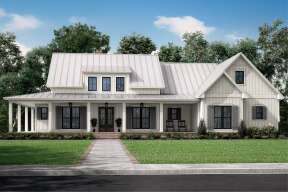
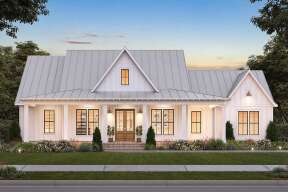
On the other hand, the Modern Farmhouse style draws inspiration from its rural origins while infusing a contemporary sensibility. With clean lines and very neutral color pallets, Modern Farmhouses fuse industrial and traditional styles. These homes feature open floor plans and large windows. For materials, Modern Farmhouses embrace the use of reclaimed wood and metals. In essence, the Craftsman style leans towards a historical reverence for handcrafted beauty and harmonious living, while the modern farmhouse embraces a more eclectic approach that combines rustic charm with modern functionality.
What is the difference between Craftsman and Prairie style?
What sets the Craftsman style apart from its close cousin, the Prairie style? While both originated during the same era and share certain design philosophies, they each possess distinctive characteristics that make them stand out. As mentioned before, Craftsman-style emphasizes handcrafted details, exposed joinery, and a cozy, intimate feel. Similarly to Craftsman characteristics, the Prairie style, championed by Frank Lloyd Wright, embodies horizontal lines and flat or hipped roofs with broad overhanging eaves. While both styles celebrate the use of natural materials, the Craftsman style leans towards intricate woodwork and ornamental features, whereas the Prairie style leans towards geometric shapes and an almost minimalist approach.
In the realm of architectural elegance, Craftsman homes stand as enduring icons of simplicity and artistry. These homes are characterized by their devotion to handcrafted beauty, natural materials, and a harmonious relationship with the environment. With an emphasis on intricate details, exposed craftsmanship, and a warm, inviting atmosphere, Craftsman homes have gracefully transitioned from their historical roots to become cherished inspirations for modern architectural plans and designs.

Alexis Fordham
Lexie is the Marketing Coordinator at America’s Best House Plans and leads the company’s social media efforts. With five years on the team, she creates engaging content, builds meaningful connections with our audience, and helps bring the brand to life across platforms. By interacting directly with customers, we gain a deeper understanding of their needs, challenges, and goals. These conversations uncover common pain points and help guide the creation of blog topics and educational content that truly resonate with our audience. Creative and detail-oriented, Lexie plays a key role in how we connect with customers every day.
Related Articles
June 1, 2026
/Alexis Fordham
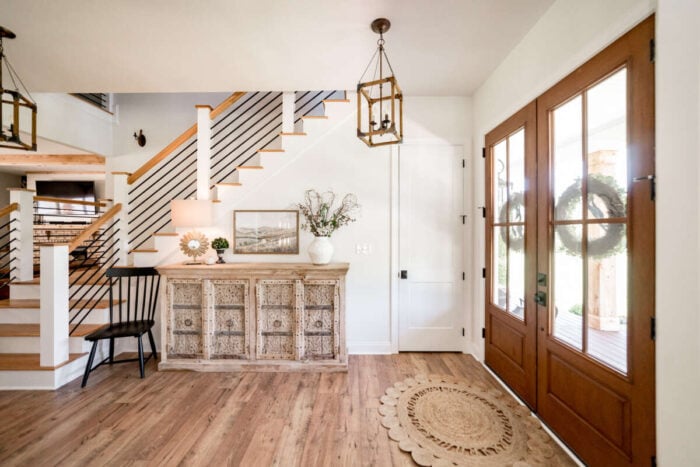
Ranch vs. Two-Story Homes: Which Is Better for Your Lifestyle?
The number of floors in a home affects far more than its appearance. It influences how easily the…

May 19, 2026
/Alexis Fordham
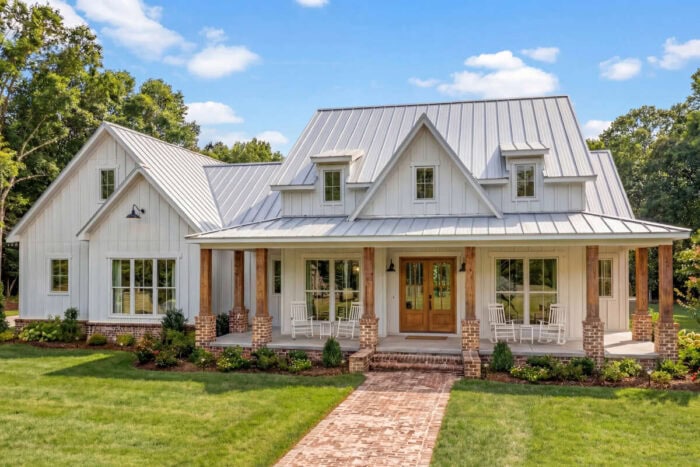
Modern Farmhouse Versus Craftsman: Which Style Best Fits You?
Modern Farmhouse Versus Craftsman: Which Style Best Fits You? Some homes feel bright and…
May 3, 2026
/Megan Hall
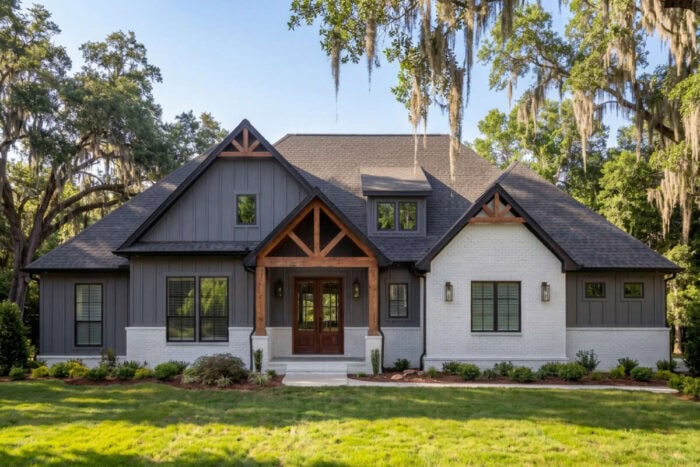
Modern Farmhouse Plans: Why This Style Still Dominates (and How It’s Evolving)
The Modern Farmhouse style has been a favorite among homeowners for years. Its success comes from…
April 28, 2026
/Alexis Fordham
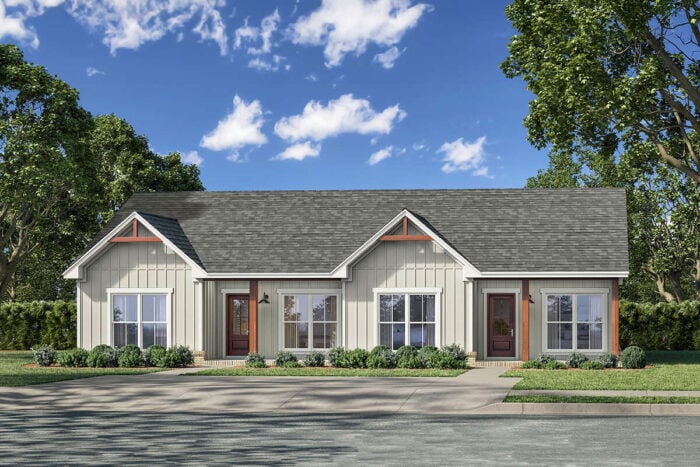
Why Multigenerational House Plans Are Shaping the Future of American Living
In today’s housing market, the definition of the “modern home” is evolving and fast. One of…
April 22, 2026
/Alexis Fordham
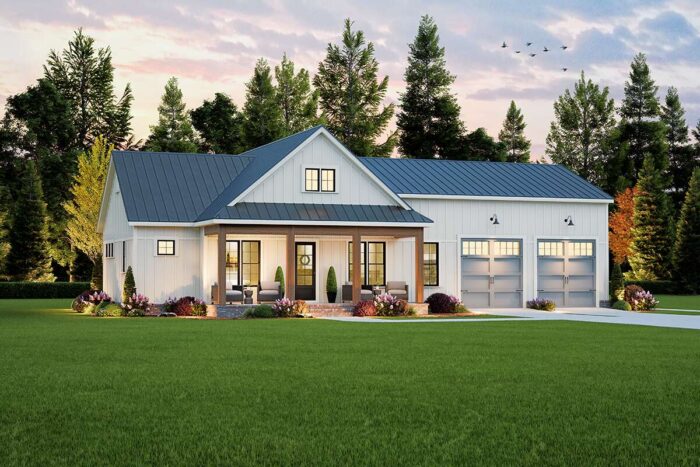
Small Barndominium Floor Plans That Maximize Space
Barndominiums have quickly become one of the most popular choices for homeowners who want flexible…
December 30, 2025
/Alexis Fordham
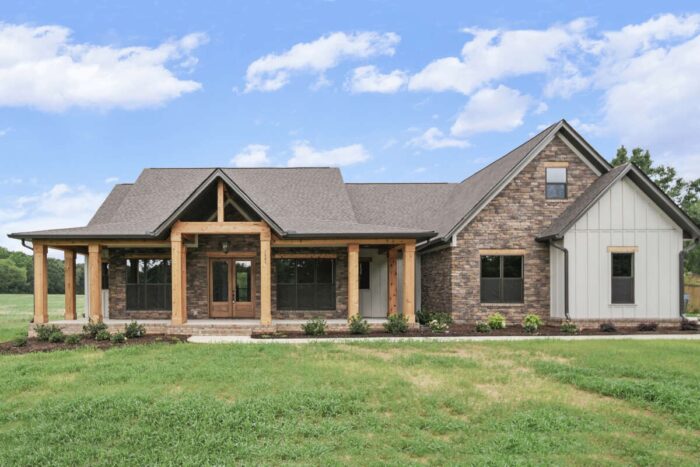
2025 Spotlight – Your Most Loved Home Designs of the Year
From Modern Farmhouses to mountain-ready retreats, these are the 12 house plans that defined…
November 6, 2025
/Alexis Fordham
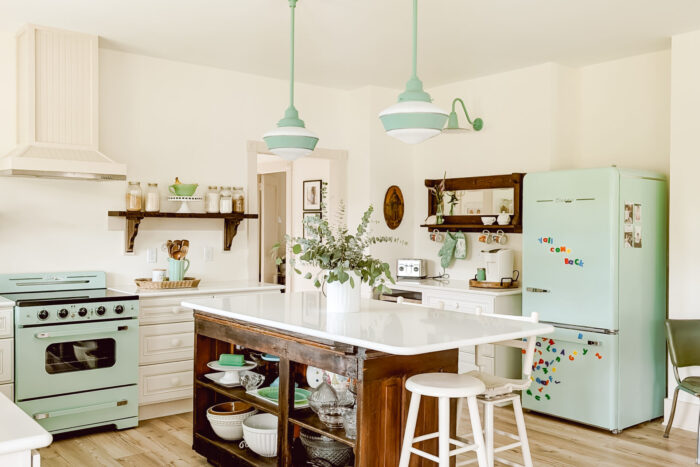
Reimagining a Classic: How White & Woodgrain Customized Plan 041-00348 into a “New–Old Cottage”
When Brittany Hutchison, creator of White & Woodgrain, set out to design a home for her parents…
October 29, 2025
/Megan Hall
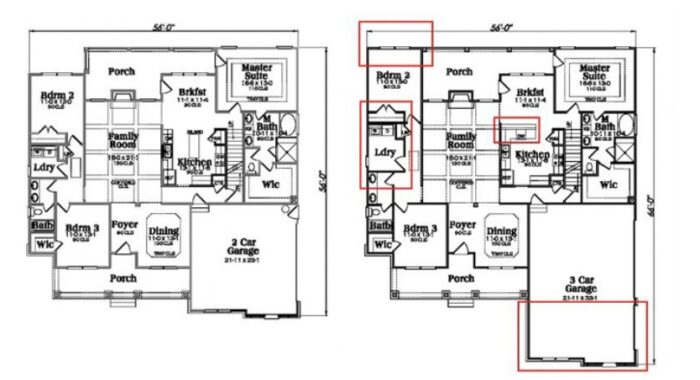
How Modification Requests Are Typically Handled
Modifying Your Dream Home Starts Here Choosing a stock house plan doesn’t mean settling for a…
October 7, 2025
/Tim Hampton
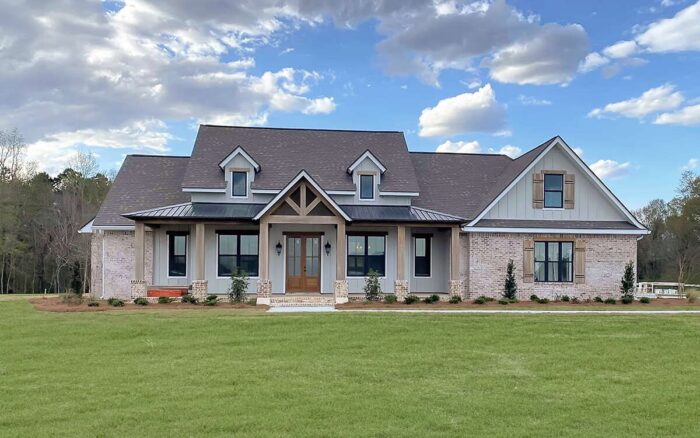
Gables & Dormers: Form, Function & Flair Across Home Plan Styles
Barndominiums, Modern Farmhouses, and rustic cabins all share a unique design language, but few…