























-
 Single Family Plans
 - View All Single-Family Plans
- New Plans
- Open Floor Plans
- Best-Selling
- Exclusive
- Plans With 360 Virtual Tours
- More Single-Family Collections
-
 Garage Plans
 - View All Garage Plans
- Garages With Apartments
- 3 Car Garage Plans
- 2 Car Garage Plans
- 1 Car Garage Plans
- Garages With A Loft
- More Garage Collections
-
Recreation Plans
- Pool Houses
- Sheds
- Gazebos
- Workshops
- View All Recreation Plans
-
 Multi-Family Plans
 - Duplex Plans
- Tri-Plex Plans
- Four-Plex Plans
- View All Multi-Family Plans
-
Single Family Plans
- View All Single-Family Plans
- New Plans
- Open Floor Plans
- Best-Selling
- Exclusive
- Plans With 360 Virtual Tours
- More Single-Family Collections
-
Garage Plans
- View All Garage Plans
- Garages With Apartments
- 3 Car Garage Plans
- 2 Car Garage Plans
- 1 Car Garage Plans
- Garages With A Loft
- More Garage Collections
-
Recreation Plans
- Pool Houses
- Sheds
- Gazebos
- Workshops
- View All Recreation Plans
-
Multi-Family Plans
- Duplex Plans
- Tri-Plex Plans
- Four-Plex Plans
- View All Multi-Family Plans


Quick Guide & Checklist for Securing a Construction Loan
July 28, 2025
Megan Hall


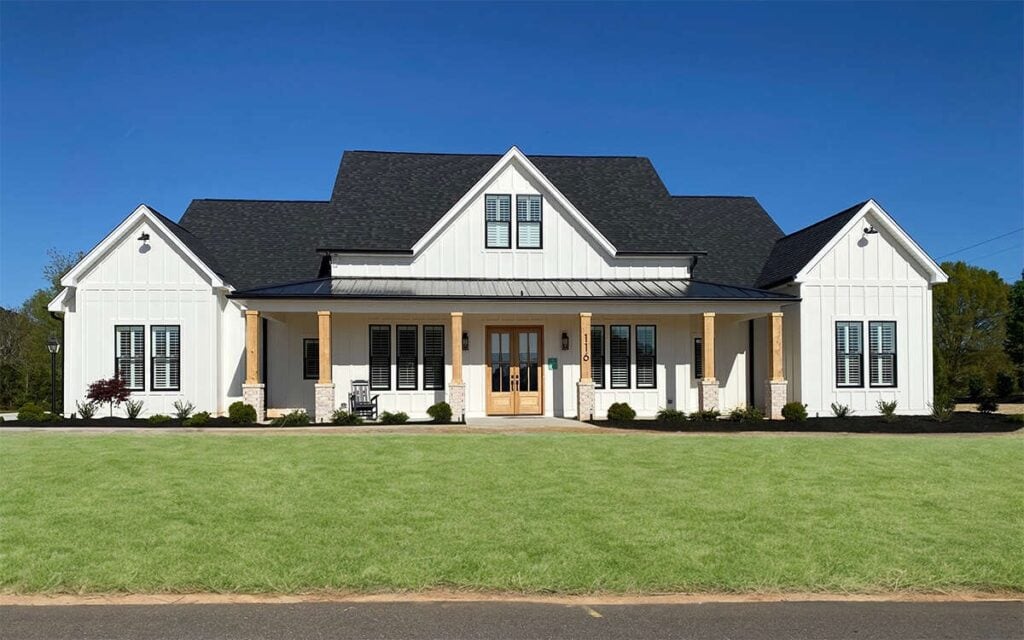
Quick Guide & Checklist for Securing a Construction Loan
A construction loan is a critical financial tool that enables you to build a home from the ground up. This specialized loan requires a more detailed application process compared to traditional mortgages, because it carries more risk for lenders. Discover best practices and a quick checklist for securing a construction loan below.
Importance of Detailed Construction Documents in Loan Applications
When individuals or companies seek construction financing, providing comprehensive documentation is crucial in the loan application process. Detailed construction documents, including architectural plans and material lists, play a significant role in streamlining the evaluation process from a bank’s perspective. These documents:
- Establish clear expectations among the borrower, lender, builder, and any other involved parties.
- Facilitate accurate cost estimates, draw schedules, and timelines, allowing for more precise financial planning.
- Minimize the risk of delays in loan approval and budget overruns, which can lead to complications in project execution.
- Provide lenders with confidence in the project’s feasibility and value, ensuring quicker approvals.
By following the best practice of submitting detailed and thorough construction documents, borrowers can enhance their chances of securing financing and demonstrate their commitment to a well-organized project.
Quick Checklist for a Construction Loan Application
Use this checklist to prepare for a successful construction loan application. Each item is crucial to securing funding and beginning your build.
1. Finalized House Plan (Architectural floorplans/blueprints)
- Detailed drawings of the exterior, floor plan, rooflines, and elevations
- Electrical, plumbing, and HVAC schematics, if available
Why it matters: The lender uses this to assess the home’s design, size, and resale value.
What do floor plans include? Learn here.
What additional options are there when choosing a plan? Learn here.
2. Comprehensive Material List (Specifications Sheet)
- A breakdown of construction materials (e.g., roofing, siding, insulation, flooring, cabinetry)
- Quantity estimates for major building components (lumber, trusses, windows, etc.)
- Product specifications or allowances where final choices are pending
Why it matters: Ensures cost accuracy and appraisal support; this is a standard step in every pro builder’s planning phase.
3. Fixed-Price Builder’s Contract
- Signed agreement between you and a licensed general contractor
- Should include total project cost, draw schedule, start and end dates, and construction milestones
Why it matters: Shows the lender that the project is being managed professionally and within a defined budget.
4. Builder’s Credentials & Insurance
- Builder’s license and business credentials
- Proof of builder’s liability insurance and (where applicable) builder’s risk insurance
- Past experience and references, if requested by the lender
Why it matters: Lenders require proof of professional capability and insurance coverage.
5. Detailed Budget / Cost Breakdown (Sometimes Called “Cost-to-Complete”)
- Spreadsheet showing line-item construction costs
- Should align with the material list and builder’s contract
Why it matters: Lenders assess this to ensure funding is sufficient and realistic.
Learn about the Cost to Build report and how to get your own personalized report here.
6. Appraisal Based on “As-Completed” Value
- Ordered by the lender once plans, specs, and the builder contract are submitted
- The appraiser evaluates the projected value of the finished home
Why it matters: The loan amount is typically based on the lesser of the appraised value or total project cost.
7. Proof of Land Ownership or Purchase Contract
- A deed or purchase agreement showing you own the lot or are in the process of acquiring it.
- If the land is mortgaged, include the current loan balance.
Why it matters: The land serves as collateral and may be counted toward your equity.
8. Down Payment Funds (Typically 20–25%)
- Documented source of funds (bank statements, gift letters, etc.)
Why it matters: Lenders rarely finance 100% of construction; borrower equity reduces lender risk.
9. Personal Financial Documents
- Recent pay stubs, W-2s, and tax returns (2 years)
- Credit report and verification of assets (bank and investment accounts)
- Debt-to-income (DTI) calculations
Why it matters: Standard underwriting requires you to qualify to repay the loan.
10. Permits and Site Preparation Approvals (Typically needed before final disbursement)
- Building permits from local authorities
- Septic, well, or utility approval, if applicable
- Environmental or zoning approvals, where required
Why it matters: Lenders want assurance that the project can legally proceed.
Optional but Helpful Extras
- Construction Timeline or Gantt Chart
- Photographs or 3D renderings of the planned home
- Letter of Explanation (LOX), if needed, to clarify financial changes or other unique details.
Pro Tip: Work With a Builder Who Can Provide Essential Documents
Most professional builders will provide timelines, build specifications, budgets, and insurance documentation in their project proposals. If you’re managing the construction yourself as an owner-builder, it’s important to prepare and organize these documents thoroughly.
If you’re purchasing pre-designed house plans from a company like America’s Best House Plans, many of them offer Material List Add-Ons that are specifically tailored to your chosen plan, simplifying this process and ensuring you’re ready for lender requirements.
Pro Tip: Find a Lender Who Can Assist You
When selecting a lender, look for one who specializes in construction loans and understands the unique aspects of building projects. A knowledgeable lender can provide guidance on financing options, help you understand the loan process, and ensure you have all the necessary documentation to move forward smoothly with your build. Having a supportive lender can make a significant difference in navigating the financial aspects of your construction project.
Final Thoughts
Obtaining a construction loan can seem complex, but following this checklist ensures you present your project in a clear, professional, and lender-friendly manner, just like professionals do. Investing in a solid house plan and detailed material list not only increases your chances of approval but sets the stage for a smooth, well-organized build from day one.

Megan Hall
Megan is the Director of Marketing at America’s Best House Plans, focused on creating clear, engaging customer experiences. She leads brand and digital strategy while continually finding ways to improve efficiency behind the scenes. Collaborative and customer-driven, Megan plays a key role in how the company connects with and serves its customers.
Related Articles
June 1, 2026
/Alexis Fordham
Ranch vs. Two-Story Homes: Which Is Better for Your Lifestyle?
The number of floors in a home affects far more than its appearance. It influences how easily the…

May 19, 2026
/Alexis Fordham
Modern Farmhouse Versus Craftsman: Which Style Best Fits You?
Modern Farmhouse Versus Craftsman: Which Style Best Fits You? Some homes feel bright and…
May 3, 2026
/Megan Hall
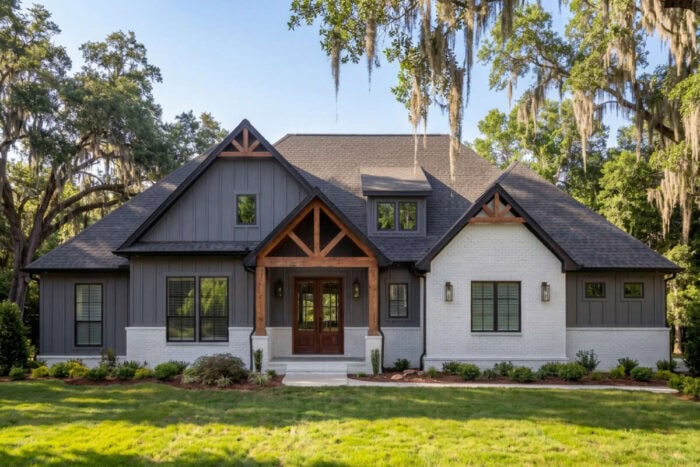
Modern Farmhouse Plans: Why This Style Still Dominates (and How It’s Evolving)
The Modern Farmhouse style has been a favorite among homeowners for years. Its success comes from…
April 28, 2026
/Alexis Fordham
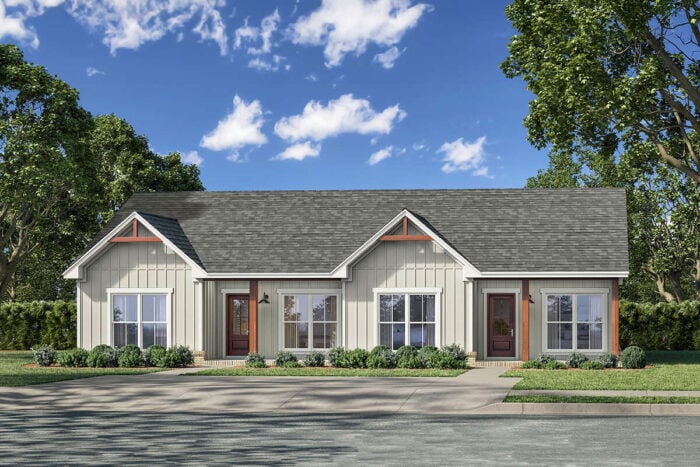
Why Multigenerational House Plans Are Shaping the Future of American Living
In today’s housing market, the definition of the “modern home” is evolving and fast. One of…
April 22, 2026
/Alexis Fordham
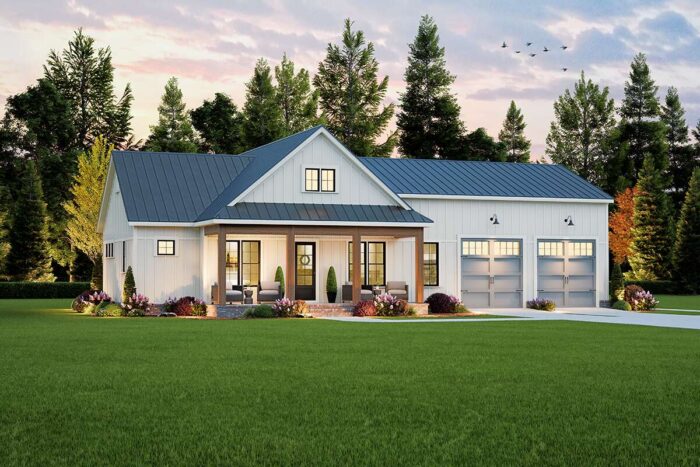
Small Barndominium Floor Plans That Maximize Space
Barndominiums have quickly become one of the most popular choices for homeowners who want flexible…
December 30, 2025
/Alexis Fordham
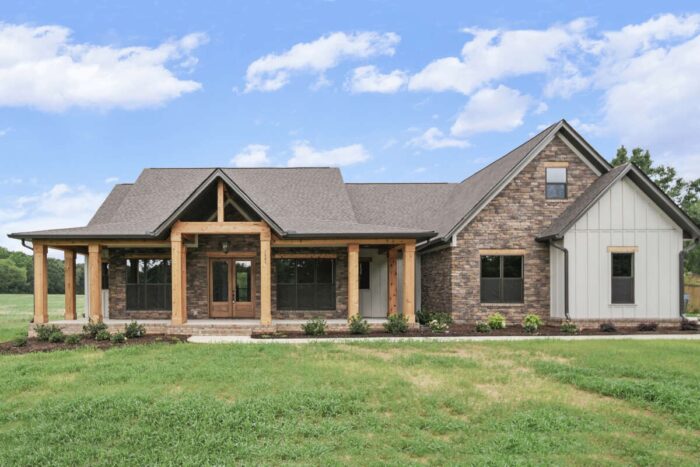
2025 Spotlight – Your Most Loved Home Designs of the Year
From Modern Farmhouses to mountain-ready retreats, these are the 12 house plans that defined…

November 6, 2025
/Alexis Fordham
Reimagining a Classic: How White & Woodgrain Customized Plan 041-00348 into a “New–Old Cottage”
When Brittany Hutchison, creator of White & Woodgrain, set out to design a home for her parents…
October 29, 2025
/Megan Hall
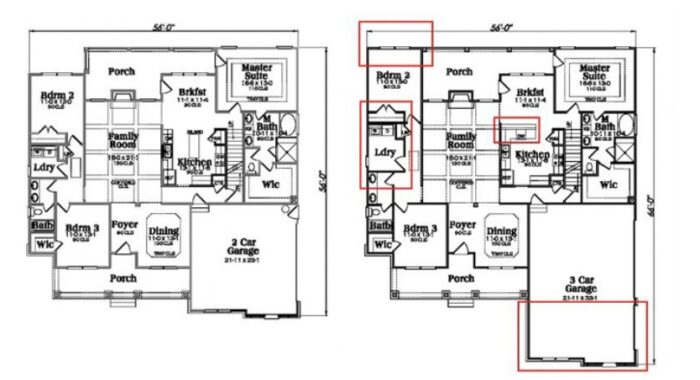
How Modification Requests Are Typically Handled
Modifying Your Dream Home Starts Here Choosing a stock house plan doesn’t mean settling for a…
October 7, 2025
/Tim Hampton
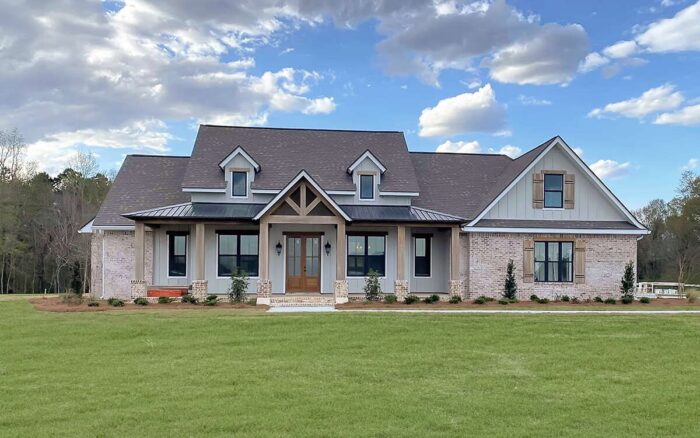
Gables & Dormers: Form, Function & Flair Across Home Plan Styles
Barndominiums, Modern Farmhouses, and rustic cabins all share a unique design language, but few…