












-
 Single Family Plans
 - View All Single-Family Plans
- New Plans
- Open Floor Plans
- Best-Selling
- Exclusive
- Plans With 360 Virtual Tours
- More Single-Family Collections
-
 Garage Plans
 - View All Garage Plans
- Garages With Apartments
- 3 Car Garage Plans
- 2 Car Garage Plans
- 1 Car Garage Plans
- Garages With A Loft
- More Garage Collections
-
Recreation Plans
- Pool Houses
- Sheds
- Gazebos
- Workshops
- View All Recreation Plans
-
 Multi-Family Plans
 - Duplex Plans
- Tri-Plex Plans
- Four-Plex Plans
- View All Multi-Family Plans
-
Single Family Plans
- View All Single-Family Plans
- New Plans
- Open Floor Plans
- Best-Selling
- Exclusive
- Plans With 360 Virtual Tours
- More Single-Family Collections
-
Garage Plans
- View All Garage Plans
- Garages With Apartments
- 3 Car Garage Plans
- 2 Car Garage Plans
- 1 Car Garage Plans
- Garages With A Loft
- More Garage Collections
-
Recreation Plans
- Pool Houses
- Sheds
- Gazebos
- Workshops
- View All Recreation Plans
-
Multi-Family Plans
- Duplex Plans
- Tri-Plex Plans
- Four-Plex Plans
- View All Multi-Family Plans


How to Calculate Roof Pitch
February 9, 2024
Megan Hall


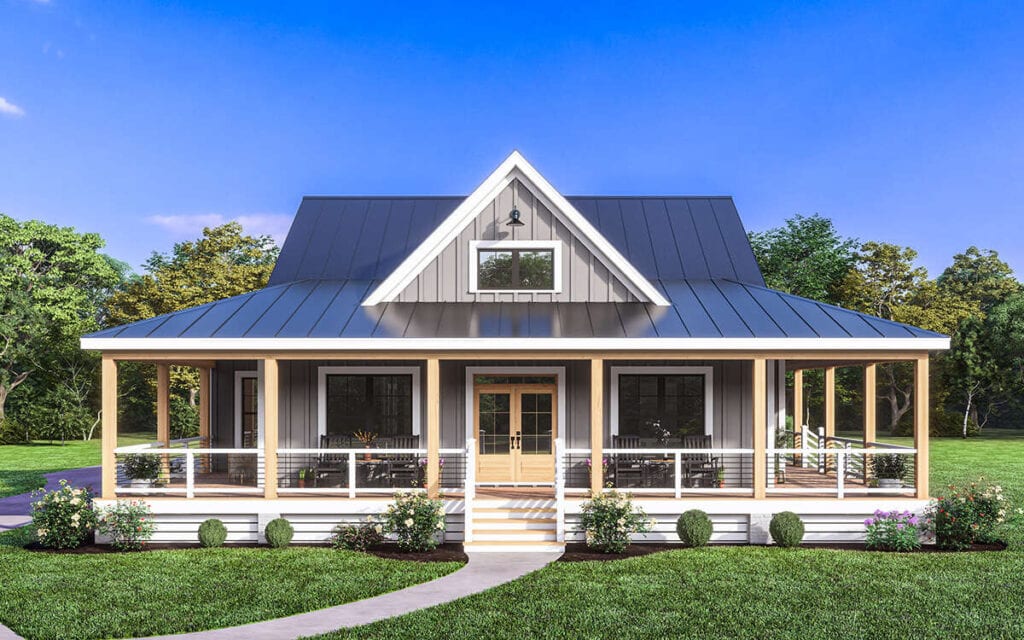
Whether you’re a seasoned DIY enthusiast or a first-time homeowner with a curious mind, understanding the pitch of your roof is a crucial skill. Don’t worry if the idea of calculating a roof pitch sounds daunting – we’ll help guide you through it! Discover how to calculate roof pitch accurately using charts, diagrams, and examples in our comprehensive guide for homeowners and builders.
What does 4:12 pitch mean?
In the realm of roofing, the term “4:12 pitch” refers to a specific incline angle, a vital aspect in construction and design. In this context, the numeric values denote a ratio: the first number signifies the vertical rise, while the second denotes the horizontal run. Therefore, a 4:12 pitch indicates that for every 4 units of vertical rise, the roof spans a horizontal distance of 12 units. This ratio encapsulates the proportional relationship between the height and span of the roof, providing crucial information for architects, builders, and homeowners alike in understanding and planning for structural elements.
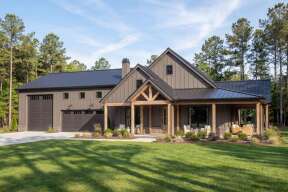
Roof Pitch 4:12
What degree is a 5:12 roof pitch?
Understanding the degree of a roof pitch is a fundamental aspect of construction. When dealing with a 5:12 roof pitch, we are referring to the ratio of vertical rise to horizontal run. Calculating the degree of this pitch involves trigonometric functions, and in the case of a 5:12 pitch, it translates to approximately 22.62 degrees. This knowledge proves valuable for architects, builders, and anyone involved in the meticulous planning of a structure. It’s a precise science that lays the groundwork for the stability and aesthetic appeal of a roof.
What is a 7:12 pitch roof?
A 7:12 pitch roof is a carefully balanced design that finds its sweet spot between style and stability. The ratio signifies that for every 12 inches of horizontal span, the roof rises by 7 inches. This calculated approach ensures the roof isn’t too steep or too shallow, achieving both visual appeal and practical durability. In understanding the 7:12 pitch, we explore how its precise proportions contribute to the seamless integration of form and function in architecture.
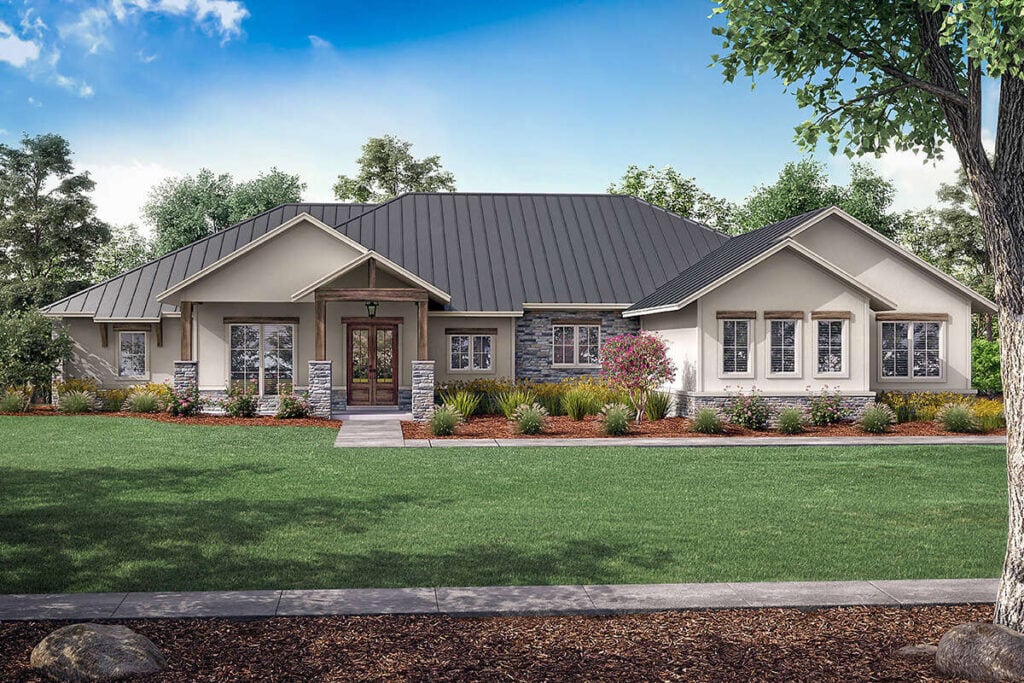
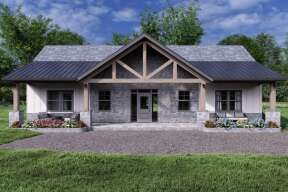
Roof Pitch 7:12
What is the standard slope of a roof?
Determining the optimal slope for a roof involves a delicate balance between aesthetics and practicality. In the realm of roofing, the standard slope is often defined within a range known as pitch. This pitch is expressed as a ratio of vertical rise to horizontal run. The sweet spot, so to speak, typically falls between 4:12 and 6:12 – a pitch not too shallow to compromise efficient water runoff yet not overly steep to pose structural challenges. Precision in calculating the slope is essential, akin to tailoring a well-fitted suit for your home.
What is the minimum slope for water drainage on a roof?
Ensuring your roof has the right slope for efficient water drainage is like giving your house a reliable umbrella in a storm. The minimum slope for proper water drainage on a roof directly impacts the longevity and functionality of your home’s protective shield. According to industry standards, a minimum slope of 1/4 inch per foot is recommended for asphalt shingle roofs, providing an effective channel for precipitation to make its exit gracefully. This slope may vary based on the roofing material, climate, and local building codes, so think of it as tailoring your roof’s attire to suit the specific climate in your chosen area. A little slope goes a long way in keeping your home dry and your roof’s reputation as a protector intact.
What is the most common roof pitch?
Determining the optimal roof pitch involves a delicate balance between aesthetics, climate considerations, and practical functionality. Picture your roof as the unsung hero of your home, silently protecting you from the elements while adding character to your abode. While there’s no one-size-fits-all answer to the “best” roof pitch, it’s akin to selecting the right tool for the job. Steeper pitches shed snow and rain with ease, minimizing the risk of water damage. However, the pitch sweet spot ultimately depends on your geographical location, architectural preferences, and the structural capabilities of your home. There may not be a way to identify the best roof pitch, but we can definitely say the preferred roof ratio ranges from 4:12 to 10:12. This range can be seen in various styles and sizes and on most of our Best Selling house plans, giving it the “Golden Ratio” title.
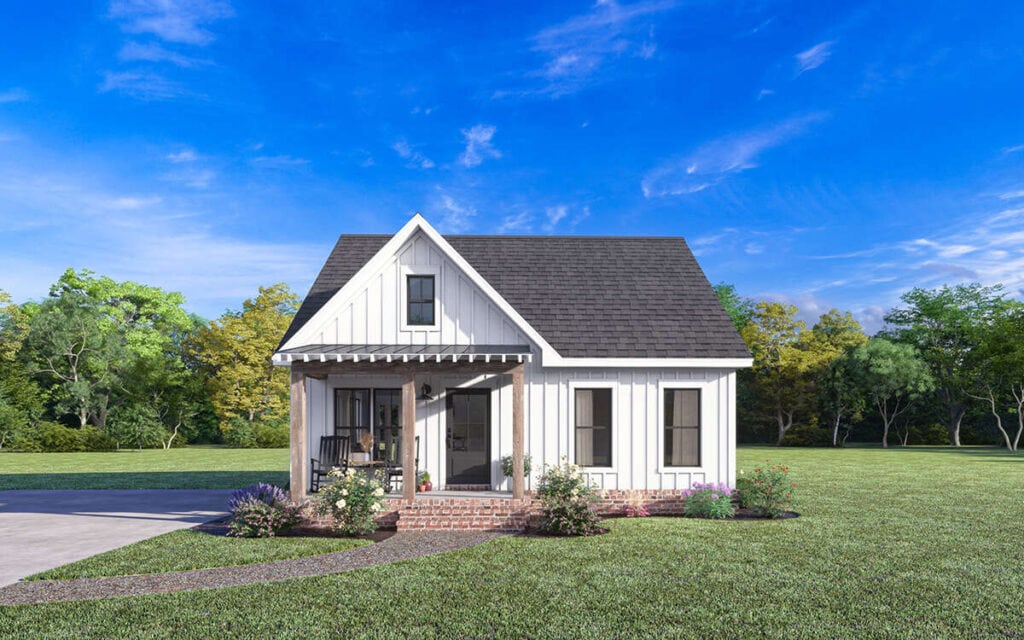
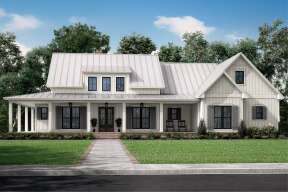
8:12 Roof Pitch
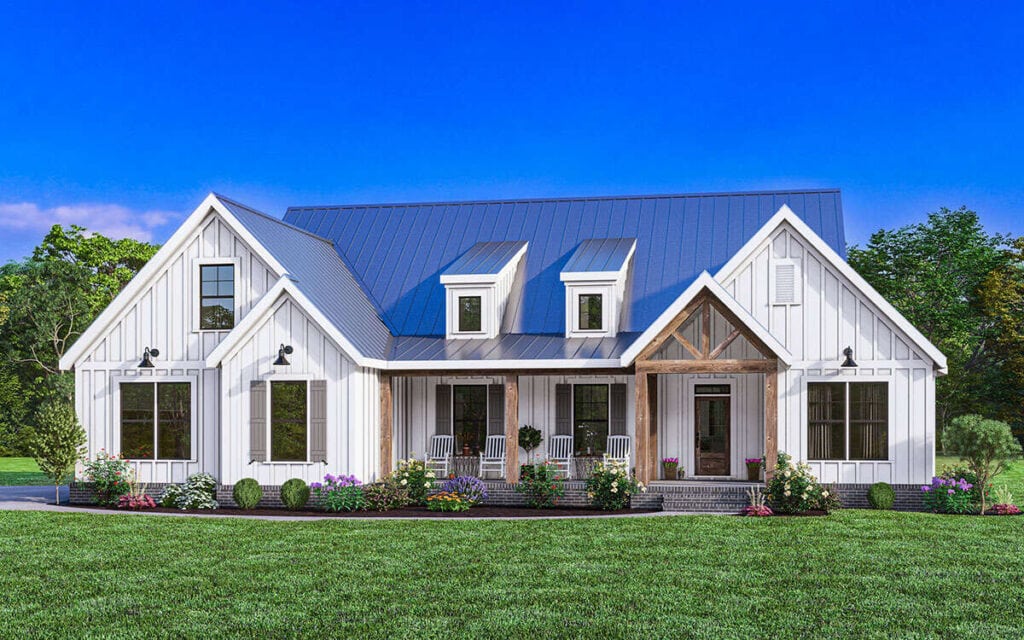
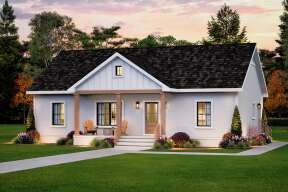
10:12 Roof Pitch
What is the difference between pitch and slope?
Navigating the world of roofing terminologies can feel like deciphering a complex code, and one common conundrum is discerning between pitch and slope. Imagine your roof as a finely tuned instrument and pitch and slope as its distinct notes. While the terms are often used interchangeably, their nuances paint a more intricate picture. The pitch of your roof typically refers to the ratio of the vertical rise to the horizontal span. On the other hand, the slope is the angle at which your roof incline. Understanding this dynamic duo is similar to a melody and rhythm – both essential elements that harmonize to create a sturdy and aesthetically pleasing roofing composition.
What is the steepest pitch on a roof?
Within the realm of roofing, the steepest pitch stands out as a pinnacle of architectural gradients, commonly expressed as 21:12. This ratio signifies a vertical rise of 21 inches for every 12 inches of horizontal run. Striking a balance between design intricacies and structural stability, this pitch challenges builders to navigate a precise and demanding terrain in the world of roofing.
What is the most affordable roof pitch?
Determining the most affordable roof pitch involves a delicate balance between cost-effectiveness and structural integrity. We can still say that any moderately pitched roof, around 4:12 or 5:12, tends to strike the optimal equilibrium. At the same time, any of our house plans can be modified to this ratio to meet the needs of the individual’s budget. This pitch offers a practical compromise between material expenses and installation complexities. By opting for a moderate slope, you can minimize the overall roofing expenditure without compromising the aesthetic or functional aspects of your home. However, it’s essential to consider regional weather conditions, architectural requirements, and long-term maintenance costs to ensure that your roofing decision stands the test of time. Remember, affordability is not merely about upfront expenses; it’s an investment in the durability and longevity of your shelter. With that being said, if you were to fall in love with a plan that wasn’t in your ideal budget, our Modification Services could work for you! You can submit a modification request for any of our plans and work with the designer to find your most affordable roof ratio! Learn more about our services HERE.
What roof pitch is 30 degrees?
A roof pitch of 30 degrees falls into the category of a moderate slope, balancing aesthetics and functionality. A roof pitch of 7:12 is about 30 degrees. A 30-degree pitch offers a harmonious blend, allowing for efficient water runoff while maintaining a classic and visually appealing profile. This pitch strikes a sweet spot, providing stability against the elements without sacrificing architectural charm.

Megan Hall
Megan is the Director of Marketing at America’s Best House Plans, focused on creating clear, engaging customer experiences. She leads brand and digital strategy while continually finding ways to improve efficiency behind the scenes. Collaborative and customer-driven, Megan plays a key role in how the company connects with and serves its customers.
Related Articles
June 1, 2026
/Alexis Fordham
Ranch vs. Two-Story Homes: Which Is Better for Your Lifestyle?
The number of floors in a home affects far more than its appearance. It influences how easily the…

May 19, 2026
/Alexis Fordham
Modern Farmhouse Versus Craftsman: Which Style Best Fits You?
Modern Farmhouse Versus Craftsman: Which Style Best Fits You? Some homes feel bright and…
May 3, 2026
/Megan Hall
Modern Farmhouse Plans: Why This Style Still Dominates (and How It’s Evolving)
The Modern Farmhouse style has been a favorite among homeowners for years. Its success comes from…
April 28, 2026
/Alexis Fordham
Why Multigenerational House Plans Are Shaping the Future of American Living
In today’s housing market, the definition of the “modern home” is evolving and fast. One of…
April 22, 2026
/Alexis Fordham
Small Barndominium Floor Plans That Maximize Space
Barndominiums have quickly become one of the most popular choices for homeowners who want flexible…
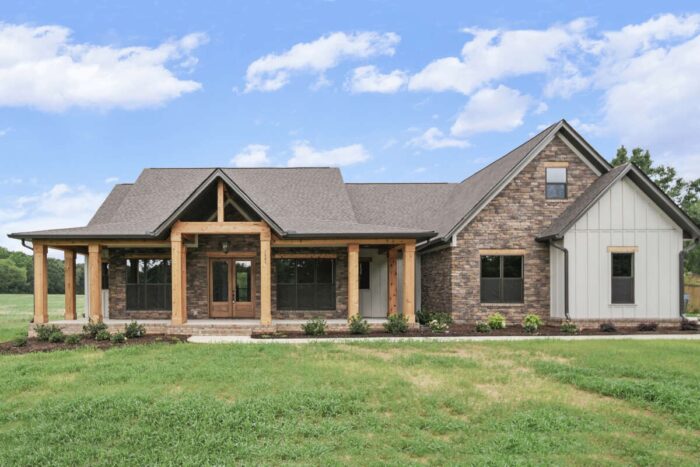
December 30, 2025
/Alexis Fordham
2025 Spotlight – Your Most Loved Home Designs of the Year
From Modern Farmhouses to mountain-ready retreats, these are the 12 house plans that defined…
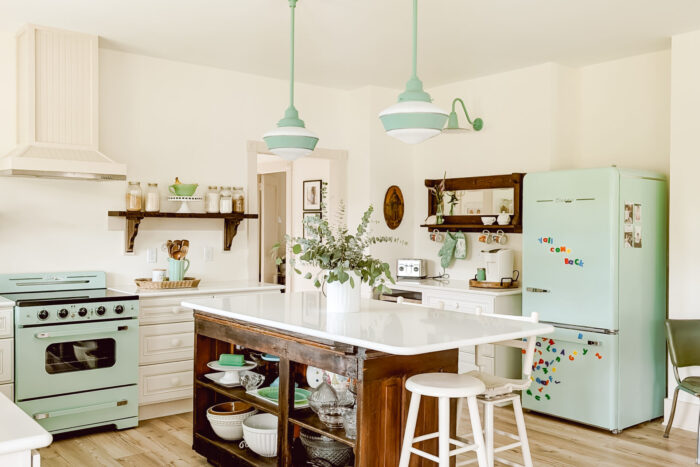
November 6, 2025
/Alexis Fordham
Reimagining a Classic: How White & Woodgrain Customized Plan 041-00348 into a “New–Old Cottage”
When Brittany Hutchison, creator of White & Woodgrain, set out to design a home for her parents…
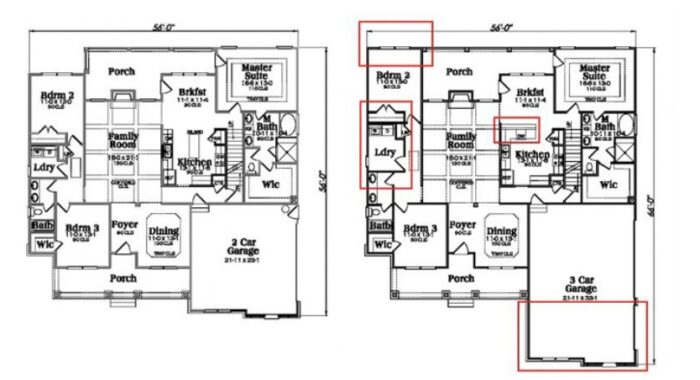
October 29, 2025
/Megan Hall
How Modification Requests Are Typically Handled
Modifying Your Dream Home Starts Here Choosing a stock house plan doesn’t mean settling for a…
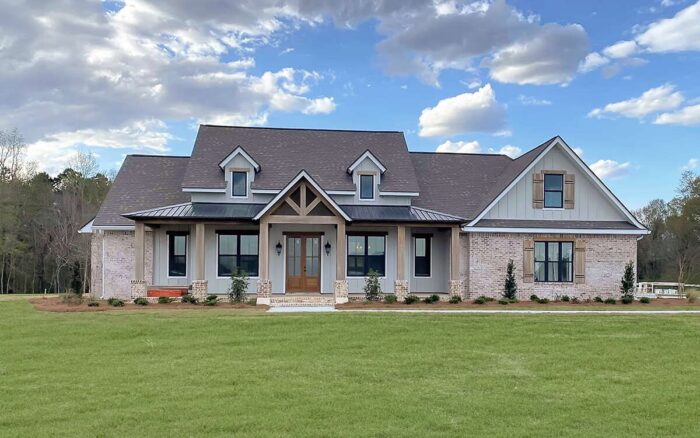
October 7, 2025
/Tim Hampton
Gables & Dormers: Form, Function & Flair Across Home Plan Styles
Barndominiums, Modern Farmhouses, and rustic cabins all share a unique design language, but few…