














-
 Single Family Plans
 - View All Single-Family Plans
- New Plans
- Open Floor Plans
- Best-Selling
- Exclusive
- Plans With 360 Virtual Tours
- More Single-Family Collections
-
 Garage Plans
 - View All Garage Plans
- Garages With Apartments
- 3 Car Garage Plans
- 2 Car Garage Plans
- 1 Car Garage Plans
- Garages With A Loft
- More Garage Collections
-
Recreation Plans
- Pool Houses
- Sheds
- Gazebos
- Workshops
- View All Recreation Plans
-
 Multi-Family Plans
 - Duplex Plans
- Tri-Plex Plans
- Four-Plex Plans
- View All Multi-Family Plans
-
Single Family Plans
- View All Single-Family Plans
- New Plans
- Open Floor Plans
- Best-Selling
- Exclusive
- Plans With 360 Virtual Tours
- More Single-Family Collections
-
Garage Plans
- View All Garage Plans
- Garages With Apartments
- 3 Car Garage Plans
- 2 Car Garage Plans
- 1 Car Garage Plans
- Garages With A Loft
- More Garage Collections
-
Recreation Plans
- Pool Houses
- Sheds
- Gazebos
- Workshops
- View All Recreation Plans
-
Multi-Family Plans
- Duplex Plans
- Tri-Plex Plans
- Four-Plex Plans
- View All Multi-Family Plans


Do You Need A Basement In Your New House Plan?
January 19, 2024
Tim Hampton


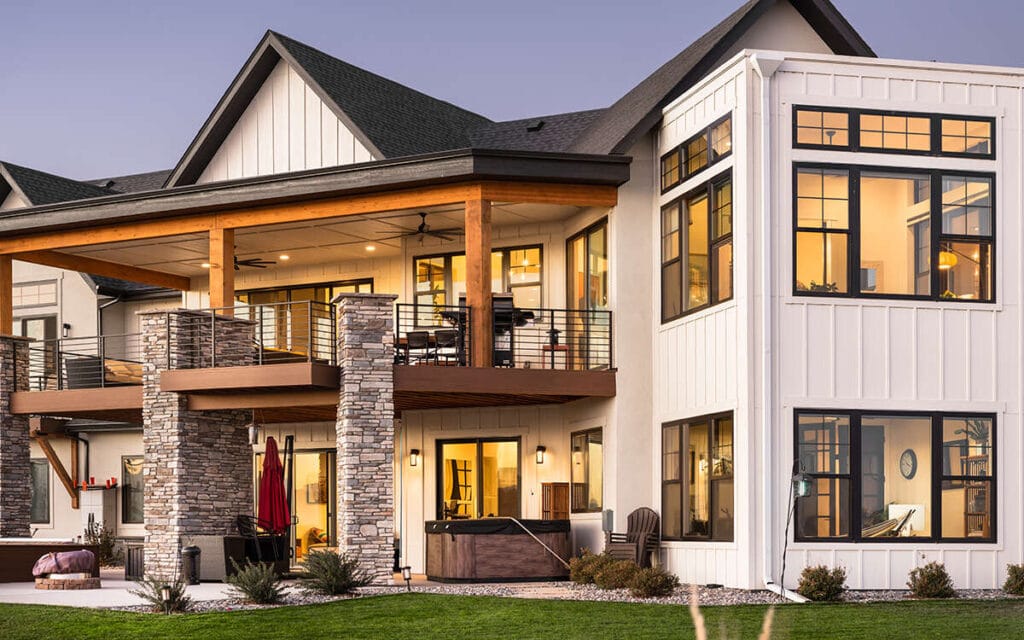
What are the benefits of basements? Basements can create additional living areas, space to entertain guests, a home gym, a home theatre, additional storage space, and more. Learn more about basement foundations below.
What are the different types of basements?
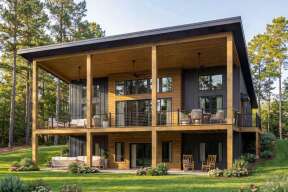
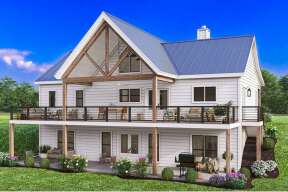
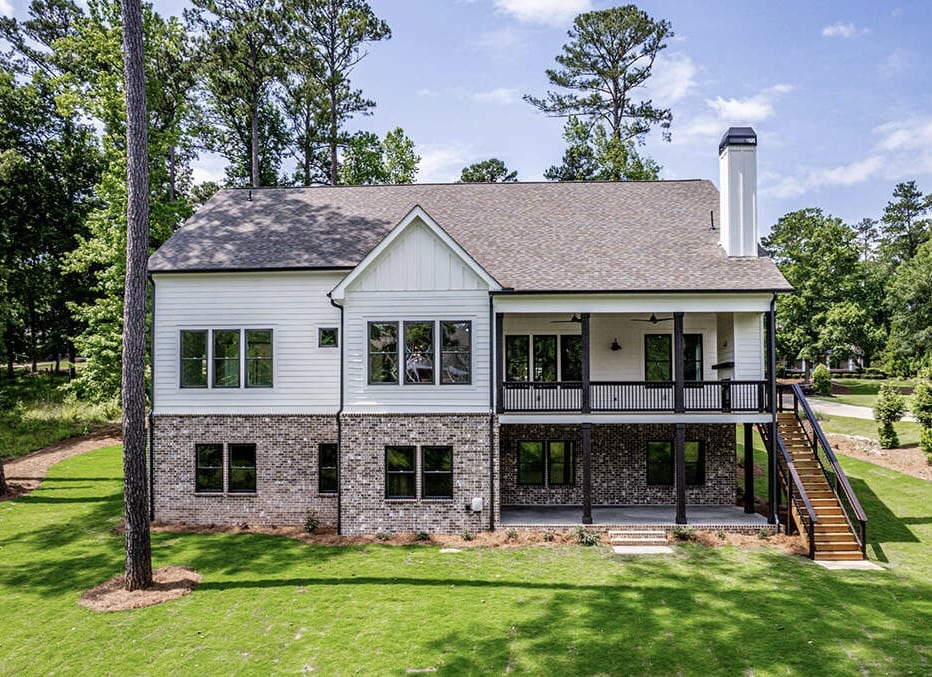
First, regardless of the type of basement you select, you can choose an unfinished basement or a finished basement. Leaving the space unfinished allows you to save money and can provide benefits such as additional storage space. Finishing the basement can add to the overall value of your home and offer additional bedrooms, bathrooms, entertaining space, and more. We offer over 10,000 house plans with basements, including unfinished basements, finished basements, daylight basements, and walkout basements.
How to add a basement to a house plan?
As you search for the perfect home with a basement, you can consider starting with our Basement House Plans collection. Alternatively, you can browse through all 20,000+ of our house plans, and when you find the perfect plan, look to the right of the Plan photos where it says “Select Foundation,” and see if there is a basement foundation available. If there is no basement foundation available to purchase, you can select “Modify this plan” to submit a request to get a quote from us on the cost of adding a basement.
What is the average cost of modifying a house plan to a full basement?
Besides additional living space, basements can provide extra storage, a separate bedroom/bathroom, and a safe room. If you’re looking into modifying and adding a full basement, the cost can vary widely depending on the size of your home, local building regulations, and the cost of materials. Additionally, the cost depends heavily on what use you want from your basement and if you will leave it unfinished or finished. For example, using the space strictly for storage will undeniably be more cost-efficient than transforming the basement into a downstairs apartment. Getting several quotes and research thoroughly is recommended to understand your requirements and better understand the cost!
Do I need a vapor barrier in my basement?
Before you decide to build on a basement foundation, it is important to know that these underground areas are more vulnerable to moisture and water damage than the rest of the home, but the good news is you can take precautions and keep up with regular maintenance to avoid any moisture problems. Vapor barriers are recommended when building a basement to prevent water and moisture from moving through the walls. Having moisture control is crucial to preventing any water damage or mold growth. Always check local building codes and regulations to ensure compliance with any specific requirements related to moisture control in basements, as some areas require things like vapor barriers to prevent structural damage to the building.
Do I need a subfloor in my basement?
Determining whether or not you need a subfloor depends on your specific needs and how you intend to use the space! Subfloors are not a necessity, but they do offer several benefits. The primary benefit is how resistant they are to moisture, which is typically the biggest concern in basements. Subflooring prevents the flooring material above from absorbing moisture and promotes better insulation. Additionally, if you want to turn your basement into a living area, subfloors allow for a more comfortable and warmer surface. However, a subfloor may be optional if your basement is dry and well-insulated. The choice to add a subfloor should be based on your specific circumstances while taking into account factors like moisture levels, insulation needs, and the intended use of the basement space.
Do I need a permit to finish my basement?
To finish your basement, obtaining a permit is a crucial step. Permits are necessary because finishing your basement involves significant changes to the home, like electrical work, plumbing, and possible structural changes that can affect the overall safety of the place. The permit process provides a safeguard, ensuring that the work is conducted by licensed professionals and meets established standards. Before finishing your basement, it’s advisable to contact your local building department to inquire about specific permit requirements and procedures in your area.
How important is having a basement?
Determining how important having a basement is depends on your specific needs! Here are some reasons to consider having a basement in your home:
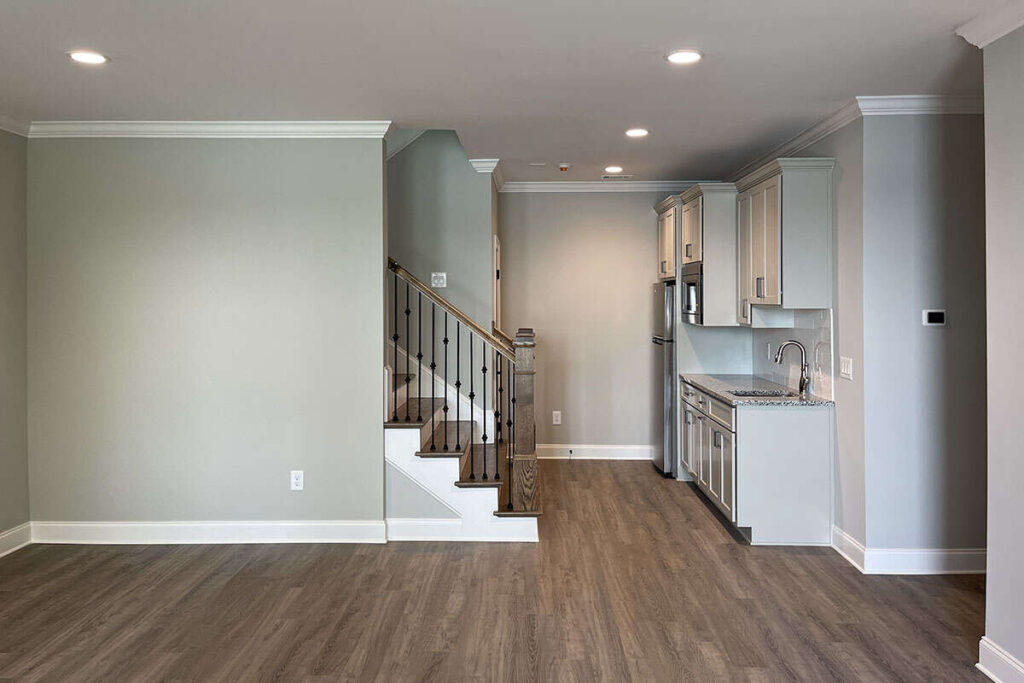
- If you have a larger family or a growing one, a basement can give you the extra space you need to give everyone their private areas. Whether you have kids now or you plan to in the future, the basement can provide much-needed additional space for the kids to play. As long as stairs are not an issue, this space could also be used as a guest suite or in-law suite.
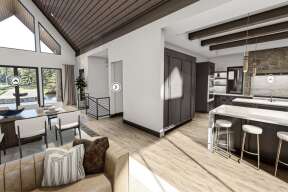
- If you love to have get-togethers and having a large party area is important, a basement might be the best option. If you don’t want to mess up your kitchen and living room every time friends gather at your home, make the basement the party place and create an entire entertaining area for your guests.
- Having a large area like a basement can be very helpful if you have hobbies or activities requiring extra space. A basement can provide the area needed for these space-consuming activities, from crafting to exercising.
- A basement is perfect for storage if you have a lot of stuff you need to store. Whether it’s holiday decor or your grandma’s vintage record table, you can store and/or display these extra items in the basement.

Tim Hampton
Tim is the Director of E-Commerce at America’s Best House Plans, helping guide the company’s digital strategy and online experience. He works cross-functionally to improve site performance, optimization, and growth, ensuring customers can confidently find, customize, and purchase the right house plan. Thoughtful and customer-focused, Tim supports ongoing innovation across the digital platform.
Related Articles
June 15, 2026
/Megan Hall
The Rise of Backyard Recreation Spaces in Modern Home Design
For many homeowners, the backyard is no longer just a patch of grass behind the house. It has…

June 1, 2026
/Alexis Fordham
Ranch vs. Two-Story Homes: Which Is Better for Your Lifestyle?
The number of floors in a home affects far more than its appearance. It influences how easily the…
May 19, 2026
/Alexis Fordham
Modern Farmhouse Versus Craftsman: Which Style Best Fits You?
Modern Farmhouse Versus Craftsman: Which Style Best Fits You? Some homes feel bright and…
May 3, 2026
/Megan Hall
Modern Farmhouse Plans: Why This Style Still Dominates (and How It’s Evolving)
The Modern Farmhouse style has been a favorite among homeowners for years. Its success comes from…
April 28, 2026
/Alexis Fordham
Why Multigenerational House Plans Are Shaping the Future of American Living
In today’s housing market, the definition of the “modern home” is evolving and fast. One of…
April 22, 2026
/Alexis Fordham
Small Barndominium Floor Plans That Maximize Space
Barndominiums have quickly become one of the most popular choices for homeowners who want flexible…
December 30, 2025
/Alexis Fordham
2025 Spotlight – Your Most Loved Home Designs of the Year
From Modern Farmhouses to mountain-ready retreats, these are the 12 house plans that defined…
November 6, 2025
/Alexis Fordham
Reimagining a Classic: How White & Woodgrain Customized Plan 041-00348 into a “New–Old Cottage”
When Brittany Hutchison, creator of White & Woodgrain, set out to design a home for her parents…
October 29, 2025
/Megan Hall
How Modification Requests Are Typically Handled
Modifying Your Dream Home Starts Here Choosing a stock house plan doesn’t mean settling for a…