


-
 Single Family Plans
 - View All Single-Family Plans
- New Plans
- Open Floor Plans
- Best-Selling
- Exclusive
- Plans With 360 Virtual Tours
- More Single-Family Collections
-
 Garage Plans
 - View All Garage Plans
- Garages With Apartments
- 3 Car Garage Plans
- 2 Car Garage Plans
- 1 Car Garage Plans
- Garages With A Loft
- More Garage Collections
-
Recreation Plans
- Pool Houses
- Sheds
- Gazebos
- Workshops
- View All Recreation Plans
-
 Multi-Family Plans
 - Duplex Plans
- Tri-Plex Plans
- Four-Plex Plans
- View All Multi-Family Plans
-
Single Family Plans
- View All Single-Family Plans
- New Plans
- Open Floor Plans
- Best-Selling
- Exclusive
- Plans With 360 Virtual Tours
- More Single-Family Collections
-
Garage Plans
- View All Garage Plans
- Garages With Apartments
- 3 Car Garage Plans
- 2 Car Garage Plans
- 1 Car Garage Plans
- Garages With A Loft
- More Garage Collections
-
Recreation Plans
- Pool Houses
- Sheds
- Gazebos
- Workshops
- View All Recreation Plans
-
Multi-Family Plans
- Duplex Plans
- Tri-Plex Plans
- Four-Plex Plans
- View All Multi-Family Plans


5 Modern A-Frame House Ideas for a Sleek, Functional Home
October 31, 2023
Tim Hampton


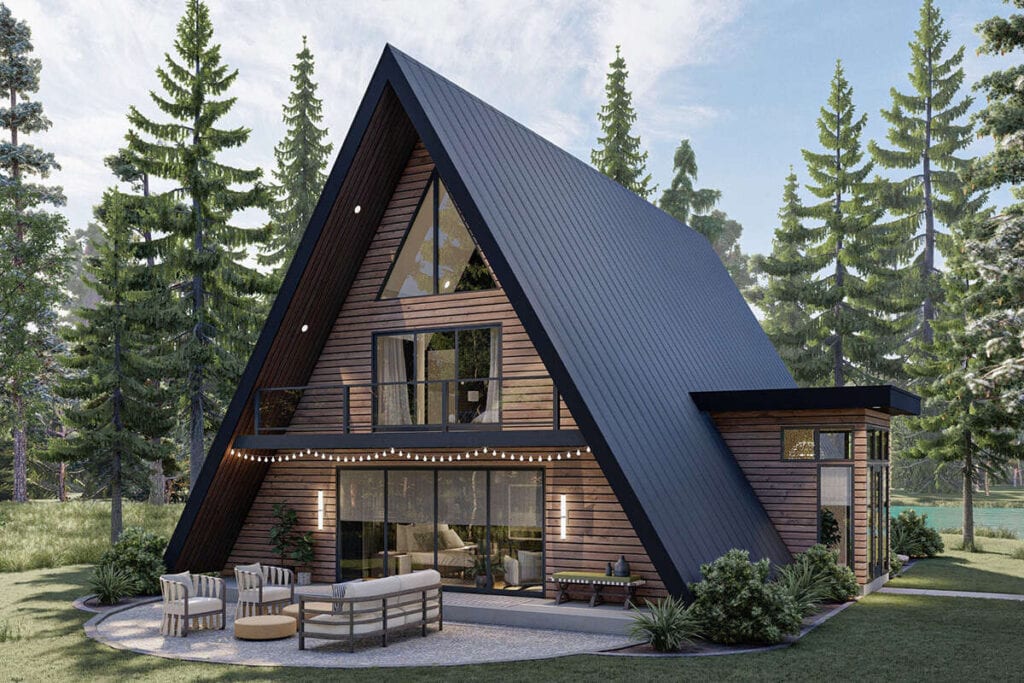
Buried in the beauty of the outdoors, A-frame houses have captured the hearts of design enthusiasts and nature lovers alike. Discover innovative, modern A-frame house ideas and designs that blend style with practicality for a contemporary, comfortable home anywhere.
How to build an A-frame house?
Due to their unique shape, A-frame cabins seem like they could be a challenge to build. The good news is they aren’t super difficult or complex to build, so let’s take a look at the process:
Pick a Plan
Before settling on a plan, it’s important to make sure it works for you in all aspects! Evaluate all of the requirements you need in your home to live comfortably:
- Do I need 2 or 3 bedrooms?
- Do I plan to grow my family here?
- How long do I plan to live here?
- Do I plan to have lots of guests here?
Pick Land
Picking a plan and picking land can interchange their importance throughout your building process. Of course, it may be quite obvious you may need land to build a house. Wherever you decide to build your home, make sure to check their building codes and if there are any architectural requirements to reside in that community.
Finances
Building a home is a big financial commitment! It’s important to make sure you have your finances in order before diving straight into the project. Contact local builders or contractors to discuss the possible expenses involving your home. When building your home, it’s important to keep in mind that some setbacks may come along, so make sure to have some extra savings than expected to fix any possible hiccups in the project.
Start Building
Once you have everything straightened out and planned, it’s time to start building! Typically, if you’re inexperienced in building, it’s recommended you hire or consult with a local builder to help you craft your home. Building an A-frame house requires careful planning, adherence to local regulations, and a clear vision of your desired design. With dedication and attention to detail, your A-frame dream home can become a reality.
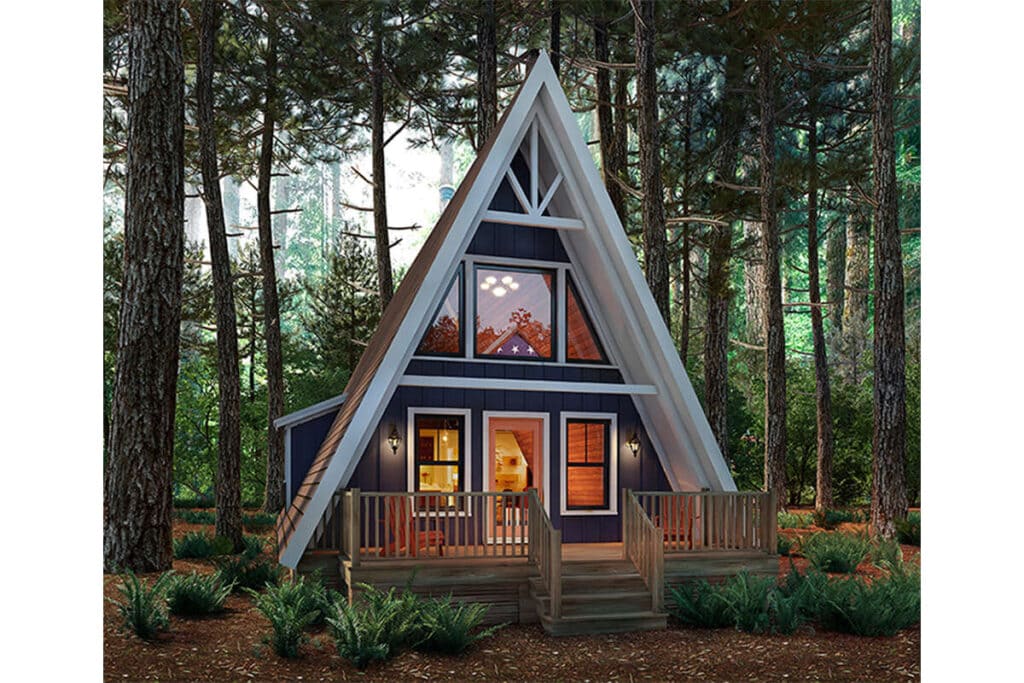
How much does it cost to build an A-frame house?
Building a home can vary in cost depending on the location, size, materials, and complexity of the home. If you are willing to work on the house yourself rather than hiring a team, you’d be saving a good sum of money. Hiring a crew to do minimal work can still cost you $80 to $200 dollars per square foot, depending on the severity. We recommend talking to multiple builders to see if you can get better estimates.
Building a home and being interested in the A-frame aesthetic begs the question: Is it cheaper to build an A-frame house? Unfortunately, when considering the possible construction process, the answer is not entirely straightforward. A-frame houses have both cost-saving advantages and potential challenges that can influence the overall price tag. The process of building the home may not be any cheaper in comparison to other houses, but A-frame houses do give the opportunity to save more money down the line. Due to the A-frames’ efficient use of space and big windows, you should be able to cut down heating and air costs plus electricity costs. With careful planning and cost-conscious decisions, it’s possible to build an A-frame house that fits your budget. Keep in mind that, beyond cost considerations, the unique and eye-catching design of A-frame houses often makes them a worthy investment.
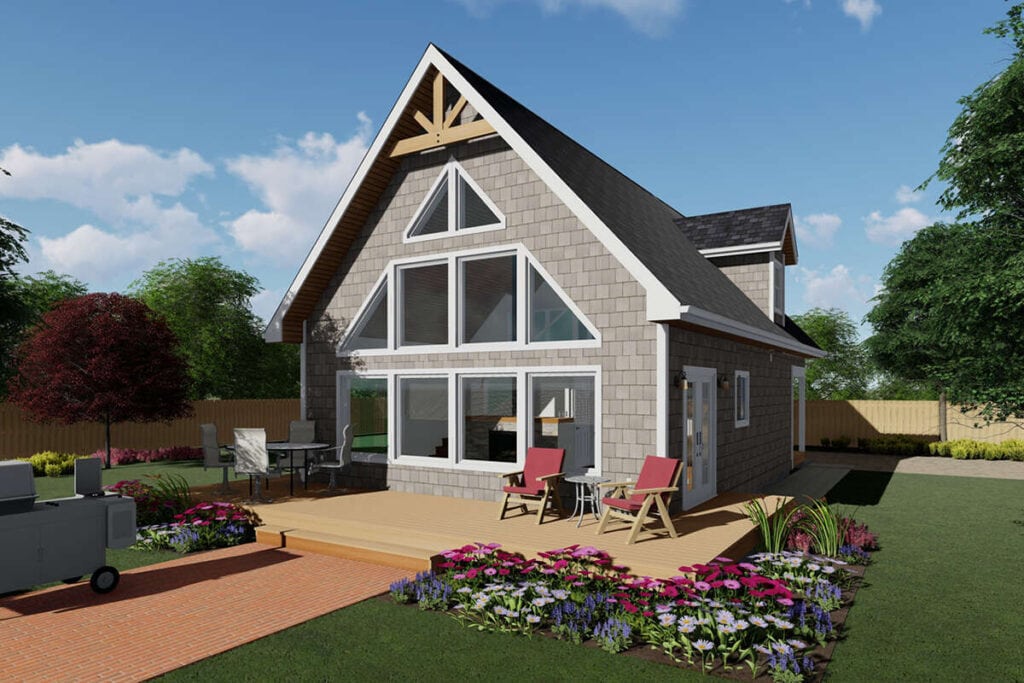
What are the benefits of building an a-frame house?
Building an A-frame house offers a few unique benefits!
The first of which may be a little obvious is the distinctive design of the house. A-frame houses are instantly recognizable due to their iconic triangular shape. This allows for the homes to stand out in all kinds of settings, making them eye-catching and desirable. Additionally, the design of these homes allows for them to be low maintenance, as snow, leaves, etc., have no place to stay on the roof. The interior design is typically energy efficient while efficiently using the space; the open floor plans in these homes reduce the cost of heating and air. The open floor plans featured in these houses allow for individuals to maximize their space and live comfortably.
A-frame houses offer a blend of aesthetics, functionality, and adaptability that sets them apart from traditional home designs. Whether you’re drawn to their distinctive appearance, efficient use of space, or unique charm, A-frame houses have much to offer for those seeking a home that stands out from the crowd.
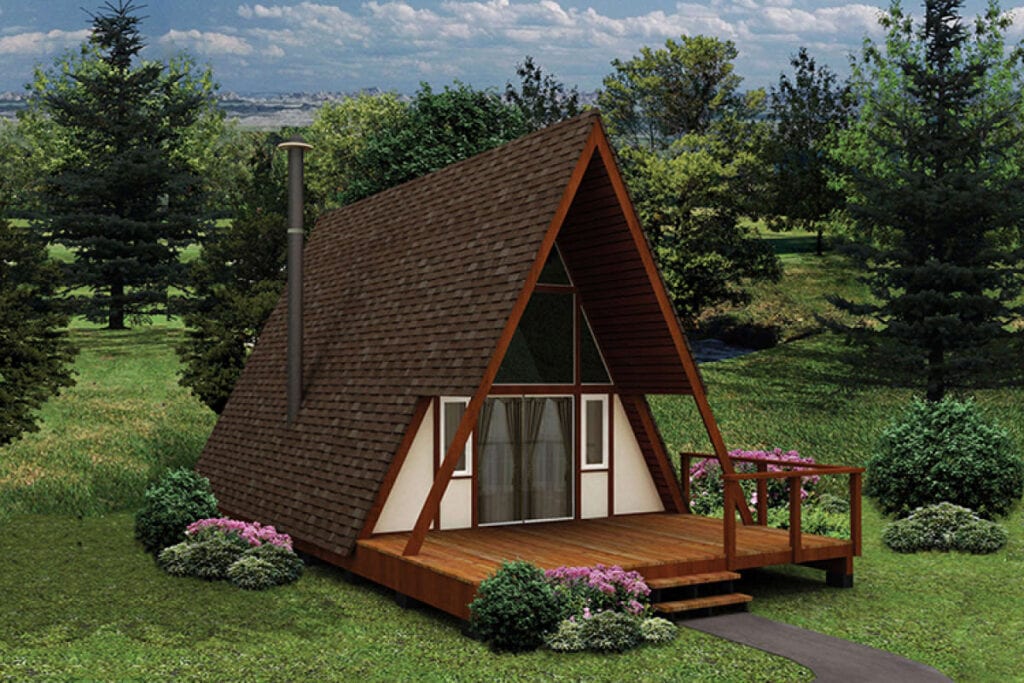
What is an A-frame house called?
A-frame houses are known for their distinctive style and shape, resembling the letter A or a triangle. The terminology used to describe A-frame homes can vary depending on architectural influences, location, culture, and personal preferences. Here are some common names you may come across:
A-Frame: This term describes smaller builds, usually focusing on the cozy cabin feel
Chalet: Alpine or Swiss-inspired A-frame builds
Contemporary A-Frame: A modernized style A-frame house
Triangle House: Some individuals prefer to use this term rather than A-frame
Kit House: This term is not individually used for A-frame houses. A House Kit contains the necessary parts to build the structure of the home; many individuals build A-frame homes with these.
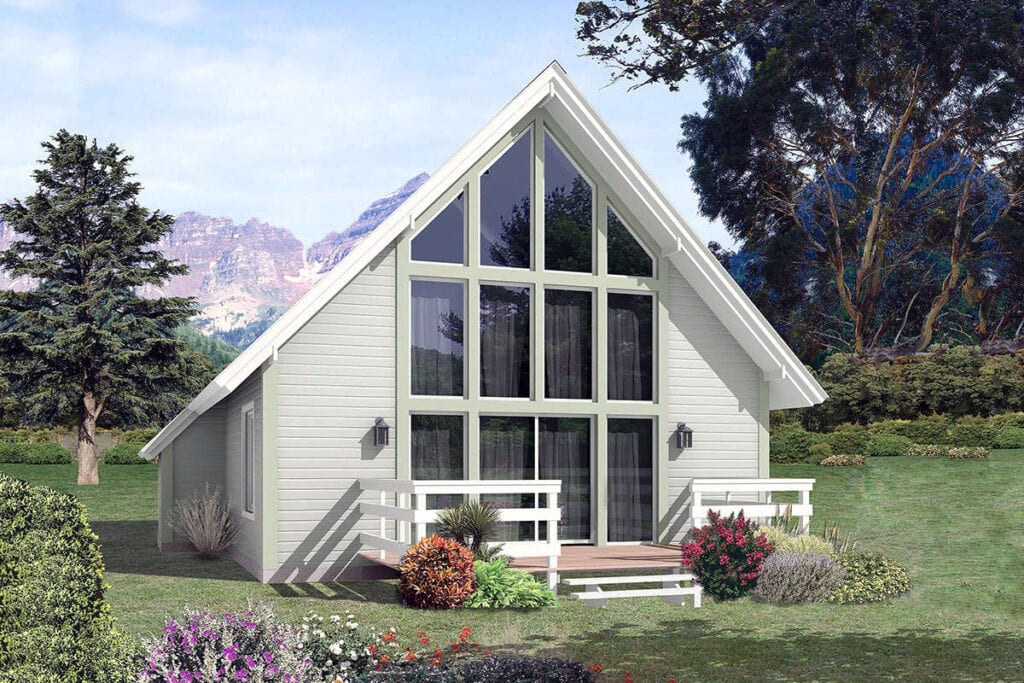
Why do A-frame houses exist?
A-frame houses originated from Europe around the 1950s, mainly in China and scattered throughout the South Pacific Islands. A-frame houses were idealized by those with low income as they were cheaper options to build and were mostly used for utilitarian purposes. A few years later, many architects began using these homes to express their creativity by experimenting with different styles and purposes due to their simple building process and budget-friendly benefits. Since then, the A-frame structure has taken on many purposes, from churches to fast food restaurants and, of course, cozy homes!
Are A-frame houses good for hot climates?
The unique structure of A-frame houses allows them to be of advantage in all types of weather. In hot climates, the bottom level of the home stays very cool because it’s so close to the ground. While in opposite climate conditions, these homes provide great stability in heavy snowfall as the structure allows for the snow to slide right off the roof! Similarly, the same goes for the downpour of heavy rain or hail.
What is the life expectancy of an A-frame house?
The quality of construction, materials, and level of maintenance all play a part in the life expectancy of A-frame houses. Similar to most buildings, A-frame houses have the potential to last for several decades when well-built and properly cared for. By using higher quality materials, having a solid foundation, and keeping good upkeep, you can extend the lifespan of an A-frame house. Keeping your house in good shape is important, especially if you plan for the home to have a long lifespan!
Are A-frame houses a good investment?
A-frame houses are certainly unique in the architectural world, and those looking for something one-of-a-kind will love their style. If the home is in a good location and is well-kept, finding a buyer shouldn’t be difficult. Many people enjoy using A-frame houses as rental properties or vacation homes, making them a great investment.

Tim Hampton
Tim is the Director of E-Commerce at America’s Best House Plans, helping guide the company’s digital strategy and online experience. He works cross-functionally to improve site performance, optimization, and growth, ensuring customers can confidently find, customize, and purchase the right house plan. Thoughtful and customer-focused, Tim supports ongoing innovation across the digital platform.
Related Articles
June 1, 2026
/Alexis Fordham
Ranch vs. Two-Story Homes: Which Is Better for Your Lifestyle?
The number of floors in a home affects far more than its appearance. It influences how easily the…

May 19, 2026
/Alexis Fordham
Modern Farmhouse Versus Craftsman: Which Style Best Fits You?
Modern Farmhouse Versus Craftsman: Which Style Best Fits You? Some homes feel bright and…
May 3, 2026
/Megan Hall
Modern Farmhouse Plans: Why This Style Still Dominates (and How It’s Evolving)
The Modern Farmhouse style has been a favorite among homeowners for years. Its success comes from…
April 28, 2026
/Alexis Fordham
Why Multigenerational House Plans Are Shaping the Future of American Living
In today’s housing market, the definition of the “modern home” is evolving and fast. One of…
April 22, 2026
/Alexis Fordham
Small Barndominium Floor Plans That Maximize Space
Barndominiums have quickly become one of the most popular choices for homeowners who want flexible…
December 30, 2025
/Alexis Fordham
2025 Spotlight – Your Most Loved Home Designs of the Year
From Modern Farmhouses to mountain-ready retreats, these are the 12 house plans that defined…
November 6, 2025
/Alexis Fordham
Reimagining a Classic: How White & Woodgrain Customized Plan 041-00348 into a “New–Old Cottage”
When Brittany Hutchison, creator of White & Woodgrain, set out to design a home for her parents…
October 29, 2025
/Megan Hall
How Modification Requests Are Typically Handled
Modifying Your Dream Home Starts Here Choosing a stock house plan doesn’t mean settling for a…
October 7, 2025
/Tim Hampton
Gables & Dormers: Form, Function & Flair Across Home Plan Styles
Barndominiums, Modern Farmhouses, and rustic cabins all share a unique design language, but few…