.jpg)





























-
 Single Family Plans
 - View All Single-Family Plans
- New Plans
- Open Floor Plans
- Best-Selling
- Exclusive
- Plans With 360 Virtual Tours
- More Single-Family Collections
-
 Garage Plans
 - View All Garage Plans
- Garages With Apartments
- 3 Car Garage Plans
- 2 Car Garage Plans
- 1 Car Garage Plans
- Garages With A Loft
- More Garage Collections
-
Recreation Plans
- Pool Houses
- Sheds
- Gazebos
- Workshops
- View All Recreation Plans
-
 Multi-Family Plans
 - Duplex Plans
- Tri-Plex Plans
- Four-Plex Plans
- View All Multi-Family Plans
-
Single Family Plans
- View All Single-Family Plans
- New Plans
- Open Floor Plans
- Best-Selling
- Exclusive
- Plans With 360 Virtual Tours
- More Single-Family Collections
-
Garage Plans
- View All Garage Plans
- Garages With Apartments
- 3 Car Garage Plans
- 2 Car Garage Plans
- 1 Car Garage Plans
- Garages With A Loft
- More Garage Collections
-
Recreation Plans
- Pool Houses
- Sheds
- Gazebos
- Workshops
- View All Recreation Plans
-
Multi-Family Plans
- Duplex Plans
- Tri-Plex Plans
- Four-Plex Plans
- View All Multi-Family Plans


Three Inexpensive Ways to Include Radon Mitigation
April 21, 2014
Michael Luckado


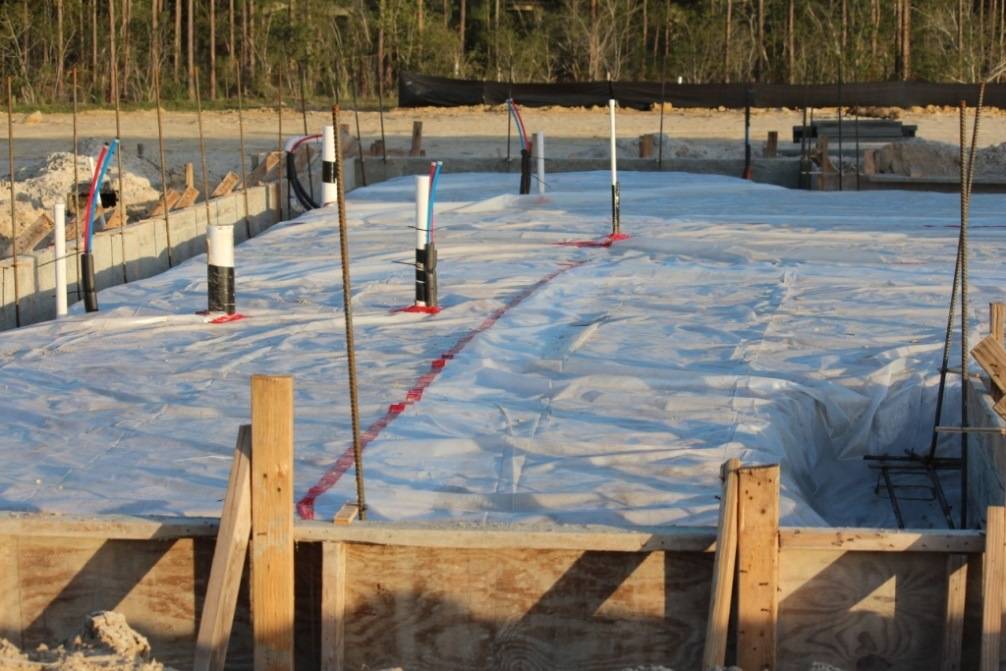
Radon gas is known to be the second leading cause of lung cancer in the United States. You can’t smell it, and because it’s a gas, you obviously can’t see it. It comes from the ground, so any home that is built on or in the ground has the potential to be exposed to radon. Over 8 million homes in the U.S. have dangerous levels of radon, according to the U.S. EPA. So here are some very inexpensive ways to include radon mitigation into your new home build.
Seal The Slab
If your home is built with a basement, slab, or crawl space foundation, you will want to seal up the concrete slab to prevent the migration of radon gas from the ground up into the home. In the photo above, you see a plastic (6 mil polyethylene) placed just before the concrete slab is poured for a new home. All of the seams in the plastic have been sealed with red tape. The plastic is also carefully sealed to the plumbing risers that will come up through the floor. Underneath this plastic is a minimum of four inches of stone that will allow the radon gas to migrate freely (we’ll talk about why we want this in a minute). Once the concrete has been poured, all cracks and gaps in the floor will need to be filled with a polyurethane caulk. This would include all control joints, the perimeter at the foundation wall, plumbing pipes…etc.
If your new home has a sump crock, it will need to be a sealed unit. Meaning, the lid need to have an air tight seal to prevent any gas that migrates from under the slab into the crock from escaping up into the home.
Passive Vent
Sealing up the concrete slab contains the gas below the home, but it’s also important to give it an opportunity to escape to the outside. The least expensive way to do this is with a passive vent. This vent involves installing a three inch PVC pipe that starts with a “T” fitting embedded in the stone below the slab. The stone below the slab allows the radon to migrate underneath the slab to the vent as opposed to a densely packed dirt or clay. Then the sealed pipe runs vertically up through the house and terminates a minimum of twelve inches above the roof. If possible, this pipe should be centrally located in your new home. This system will cost you $300 or so on a new home build.
If you test your home for radon after moving in and still have elevated levels of the gas, you will want to install a fan on the vent to help suck the radon from under the slab.
Basement with Crawl Space
What if your new home has a basement with a crawl space? Because there are two separate levels, you will need two passive radon vents…one for the crawl and one for the basement. And be sure to have the crawl slab sealed in the same way as the basement floor.
For more information about radon including maps showing where radon is found most readily, check out this resource from the U.S. EPA.

Michael Luckado
Michael Luckado has built, remodeled, and repaired thousands of homes across the U.S. He co-founded ArmchairBuilder.com to help people save money and time creating their dream home.
Related Articles

October 6, 2026
/Megan Hall
Affordable House Plans: 7 Budget-Friendly Features
Building an affordable home starts on paper and with thinking through the features that make the…

September 25, 2026
/Megan Hall
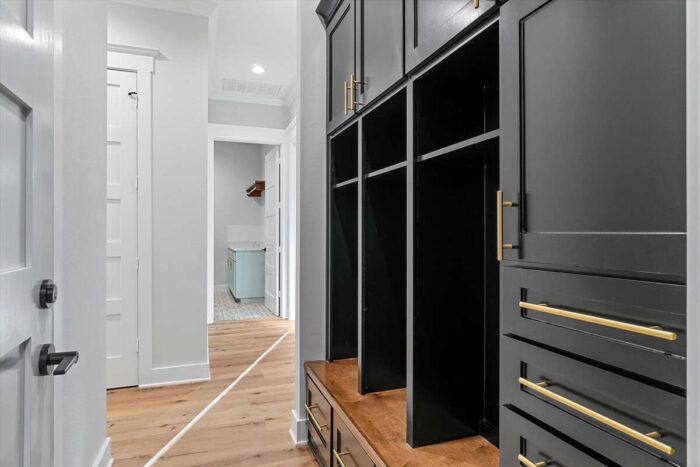
Popular House Plan Features Homeowners Love
Choosing a house plan isn’t only about square footage, bedrooms and architectural style. The spaces…

September 10, 2026
/Tim Hampton
Detached Garage Ideas for Every Property
Detached garage plans can do far more than provide a place to park. Positioned separately from the…

August 25, 2026
/Brandon Hall
How Much Does It Cost to Build a House?
If you’re planning to build your dream home, one question is likely at the top of your list: How…

August 13, 2026
/Alexis Fordham
Trending 2 Bedroom 2 Bathroom House Plans
The best homes aren’t always the largest; they’re the ones designed to make everyday living easier.…
July 29, 2026
/Alexis Fordham
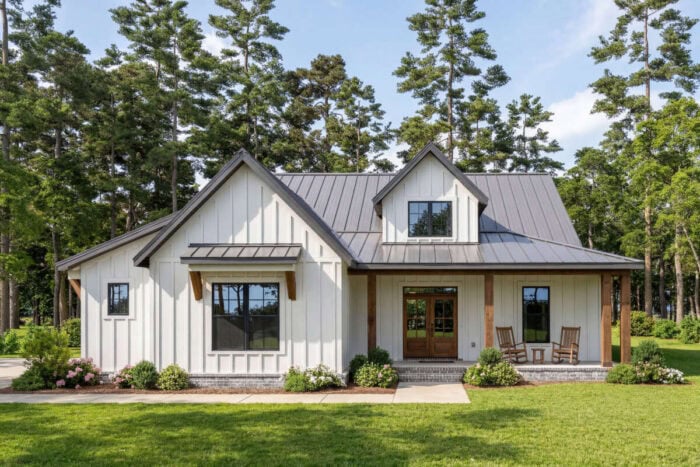
Most Popular 3 Bedroom 2 Bathroom House Plans for Families
When it comes to designing a home for family life, bigger isn’t always better. Many of today’s most…

July 15, 2026
/Tim Hampton
A-Frame vs. Modern Cabin Plans: Which Style Is Better?
If you’re dreaming of building a mountain retreat, one of the many key decisions you’ll make after…
June 29, 2026
/Megan Hall
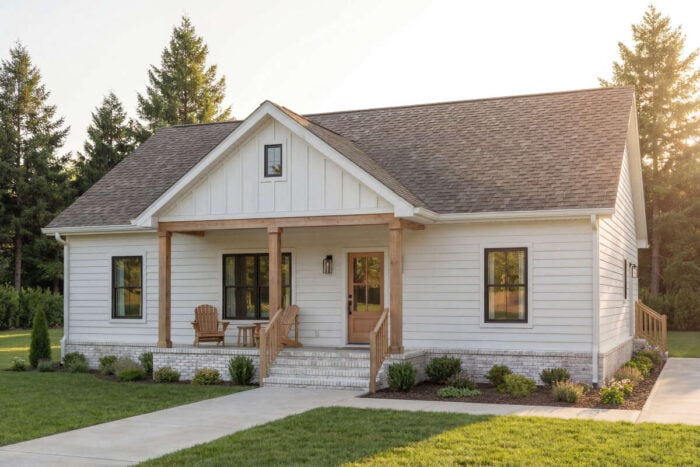
The Ultimate Guide to Cottage Homes: Country Cottage, Modern Cottage & Small Cottage
Few home styles feel as welcoming and timeless as a cottage. From charming country retreats to…

June 15, 2026
/Megan Hall
The Rise of Backyard Recreation Spaces in Modern Home Design
For many homeowners, the backyard is no longer just a patch of grass behind the house. It has…