





-
 Single Family Plans
 - View All Single-Family Plans
- New Plans
- Open Floor Plans
- Best-Selling
- Exclusive
- Plans With 360 Virtual Tours
- More Single-Family Collections
-
 Garage Plans
 - View All Garage Plans
- Garages With Apartments
- 3 Car Garage Plans
- 2 Car Garage Plans
- 1 Car Garage Plans
- Garages With A Loft
- More Garage Collections
-
Recreation Plans
- Pool Houses
- Sheds
- Gazebos
- Workshops
- View All Recreation Plans
-
 Multi-Family Plans
 - Duplex Plans
- Tri-Plex Plans
- Four-Plex Plans
- View All Multi-Family Plans
-
Single Family Plans
- View All Single-Family Plans
- New Plans
- Open Floor Plans
- Best-Selling
- Exclusive
- Plans With 360 Virtual Tours
- More Single-Family Collections
-
Garage Plans
- View All Garage Plans
- Garages With Apartments
- 3 Car Garage Plans
- 2 Car Garage Plans
- 1 Car Garage Plans
- Garages With A Loft
- More Garage Collections
-
Recreation Plans
- Pool Houses
- Sheds
- Gazebos
- Workshops
- View All Recreation Plans
-
Multi-Family Plans
- Duplex Plans
- Tri-Plex Plans
- Four-Plex Plans
- View All Multi-Family Plans


7,699 Results

 360°
360° Video
Video










House Plans with Split Bedrooms FAQ
What Is a Split Bedroom Layout?
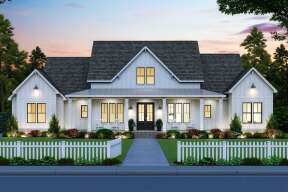
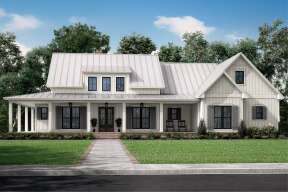
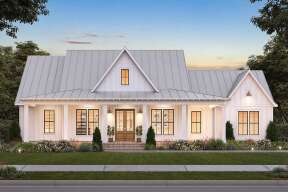
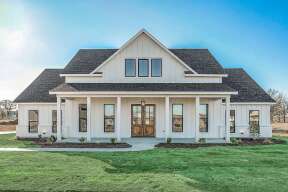
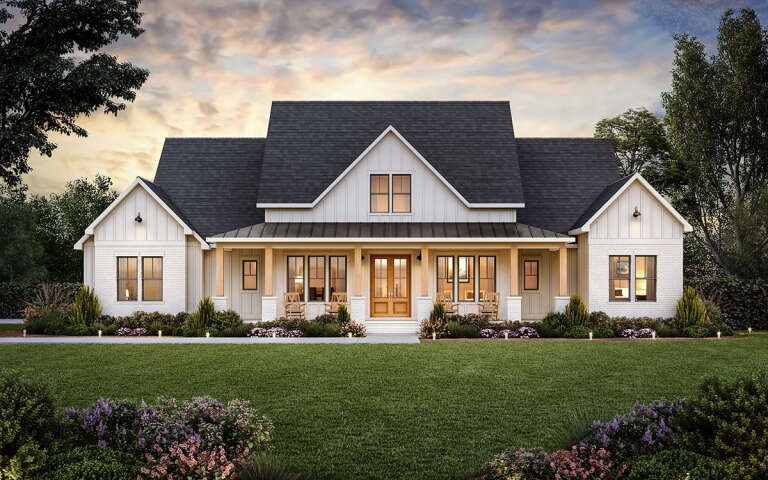
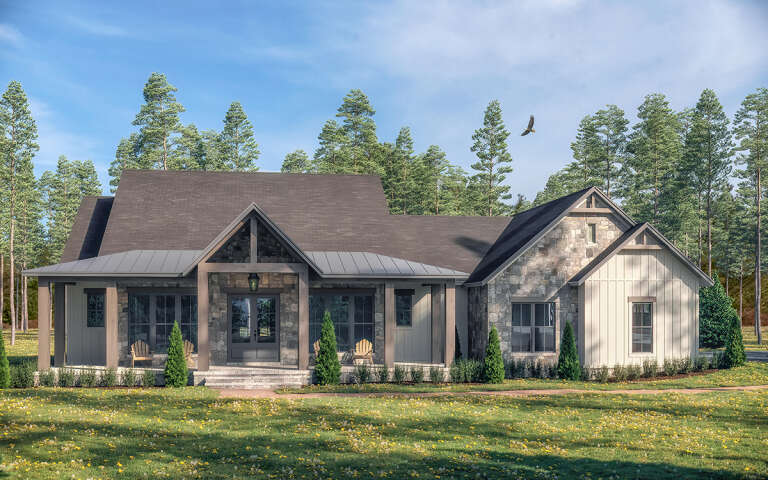
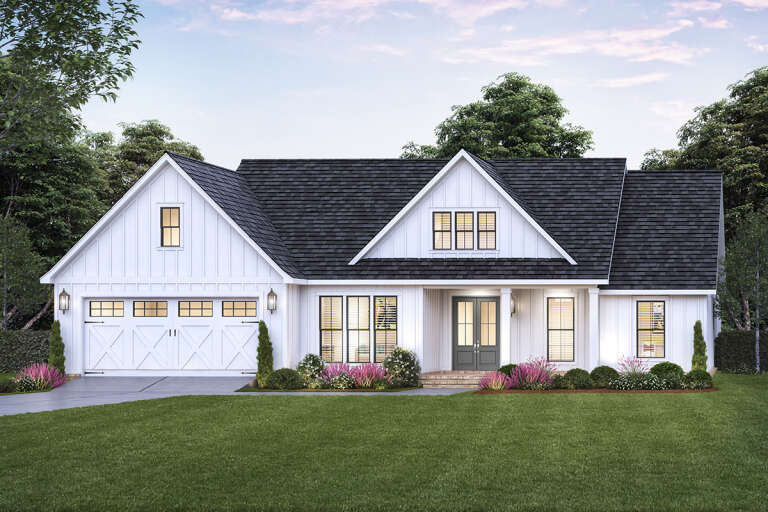
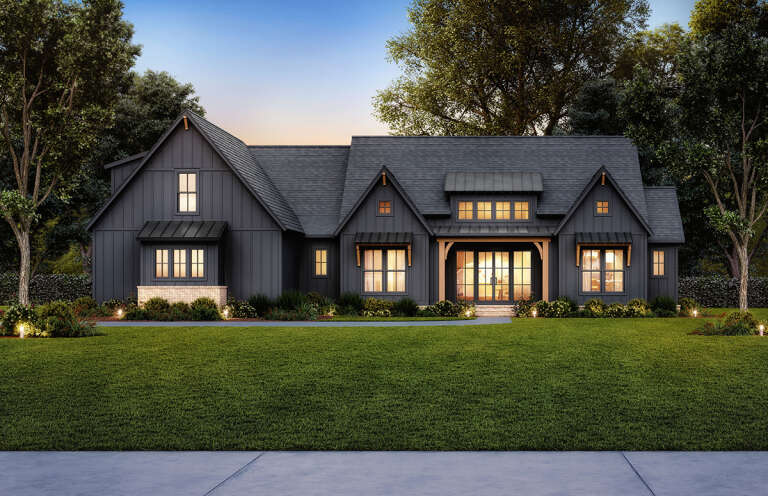
One of the defining characteristics of a split bedroom floor plan is the separation between the owner's suite and the home's additional sleeping spaces. Rather than clustering every bedroom in one area, split bedroom floor plans create distinct sleeping zones while keeping everyone connected to the heart of the home. From cozy cottages and small split bedroom layout plans to spacious Modern Farmhouses like this one, this versatile design can be found in homes of nearly every size and style.
Is a Split Bedroom Layout the Best Choice?
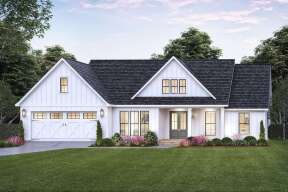
The best floor plan depends on your family's needs and lifestyle. House plans with split bedrooms, such as this one-story home, are especially popular among homeowners who value having their own space. Parents often appreciate having their bedroom separated from older children's rooms, while empty nesters enjoy giving overnight guests their own dedicated area of the home. The layout can also work well for a Vacation home, Multigenerational households, remote workers or those who anticipate changing needs over time. However, families with very young children may prefer bedrooms located closer together. Ultimately, the right choice comes down to how you use your home on a daily basis and who lives there.
What Are the Advantages of a Split Bedroom Layout?
One of the biggest advantages of a split bedroom floor plan design is the greater privacy it affords the homeowners living in the primary suite, creating a more peaceful retreat within the home. Additional key benefits include:
- Reduced Noise: With bedrooms located in different areas of the home, sounds from televisions, conversations and differing schedules are less likely to disturb other household members.
- Ideal for Guests: Visitors can enjoy their own private area of the home, making overnight stays more comfortable for everyone.
- Flexible Living Spaces: Secondary bedrooms can easily serve as home offices, hobby rooms or fitness spaces while maintaining isolation for the primary suite.
- Multigenerational Appeal: 3-bedroom split bedroom layout plans like this one can work especially well for households that include aging parents, adult children or long-term guests who benefit from having their own areas.
- Balanced Flow: Split bedroom floor plan designs distribute bedrooms across the house’s layout rather than concentrating them in one section or hallway, creating a nice flow within the home.
What Are Some Benefits of a Split Bedroom Home Versus a Cluster Bedroom Layout?
In a layout with cluster bedrooms, all bedrooms are grouped together in the same section of the home, often connected by a shared hallway. While this arrangement can be convenient for families with young children, it generally offers less privacy than a split bedroom design.
By separating the owner's suite from the secondary bedrooms, a split layout provides more personal space for family members and guests. This can be especially beneficial when children become teenagers, relatives visit frequently or household members keep different schedules. Split bedroom floor plans can create a better balance between togetherness and independence, allowing everyone to enjoy shared spaces while still having a private retreat.
How Much Does a Split Bedroom House Plan Cost to Build?
The cost to build a split-bedroom home depends on factors such as square footage, location, materials, labor costs, and the complexity of the design. The split-bedroom arrangement itself typically does not add significant construction costs compared to other floor plan configurations. Instead, your overall budget will be influenced by factors such as square footage, architectural complexity, finishes and special features. For example, a small split-bedroom layout plan will generally cost less to build than a larger split-bedroom modern farmhouse with bonus rooms, outdoor living areas, or custom finishes.
When comparing house plans, it's important to look beyond initial construction costs and consider how the layout will support your family's needs both now and in the future. Find out about our helpful, personalized Cost to Build Estimator here.
Ready to find the right layout for your lifestyle? Browse our collection of split bedroom house plans. If you're still deciding on the ideal size, check out our guide on how many bedrooms you need to help narrow your options.