



SEARCH FILTERS
SEARCHING...


 360°
360° Video
Video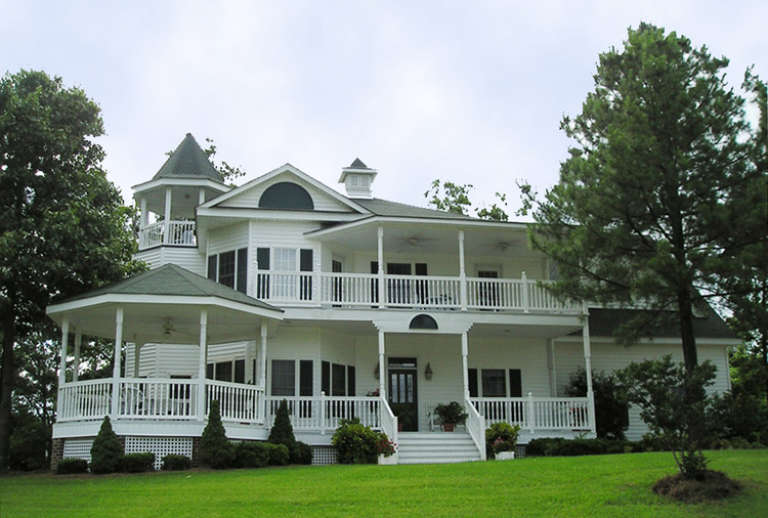






 Single Family Plans
 Garage PlansRecreation Plans
 Multi-Family PlansSingle Family PlansGarage PlansRecreation PlansMulti-Family Plans
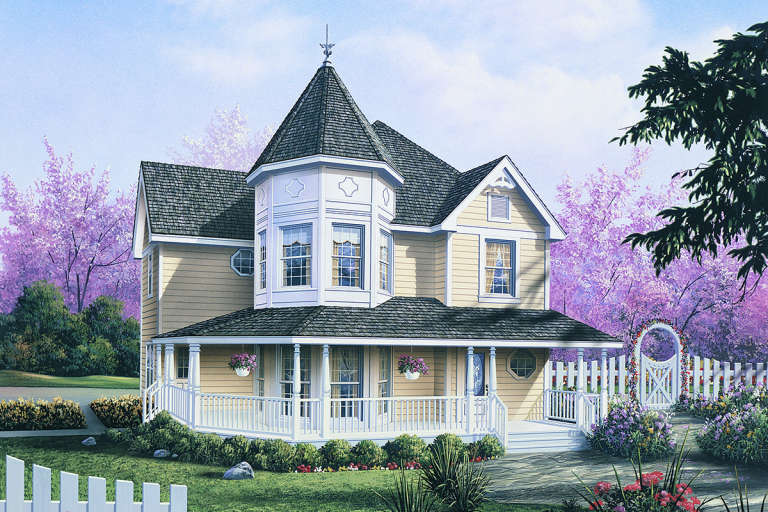
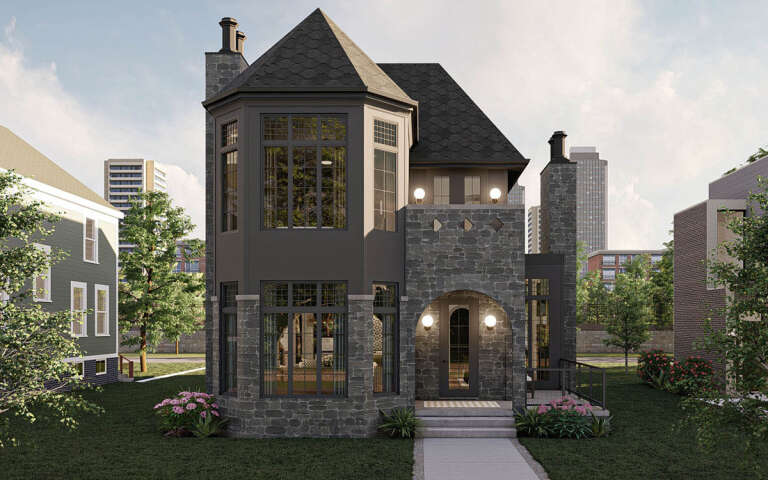
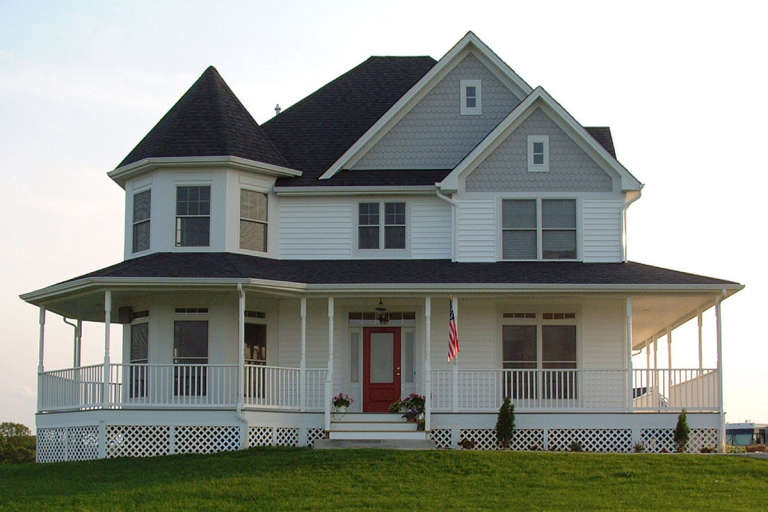
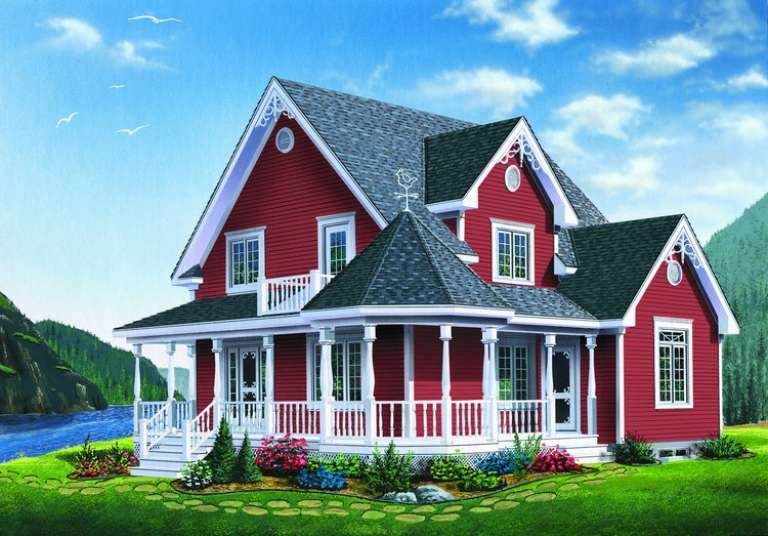
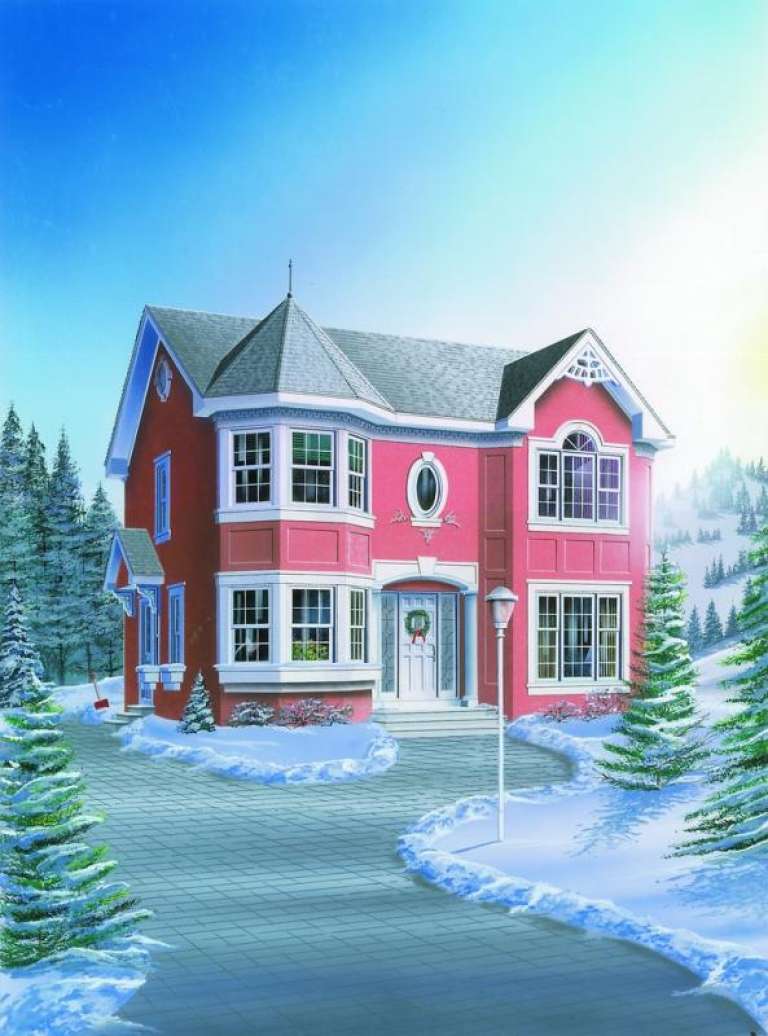
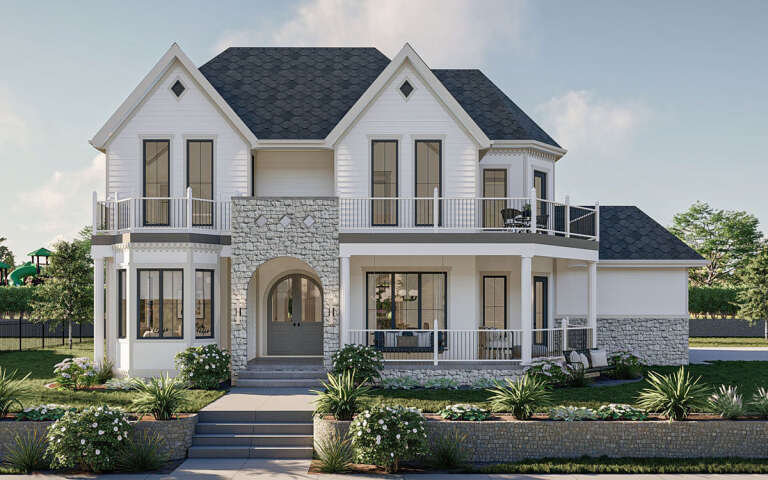
While a Victorian house may not have all these characteristics, here are some of the features you find on Victorian house plans:
Yes, you can still build Victorian houses. As stated earlier on this page, Victorian technically refers to a period rather than a style, so any home built in the present day would be in the style of a Victorian house. However, most people use the term Victorian and Victorian style interchangeably, so your designer will understand if you ask to look at Victorian house plans.
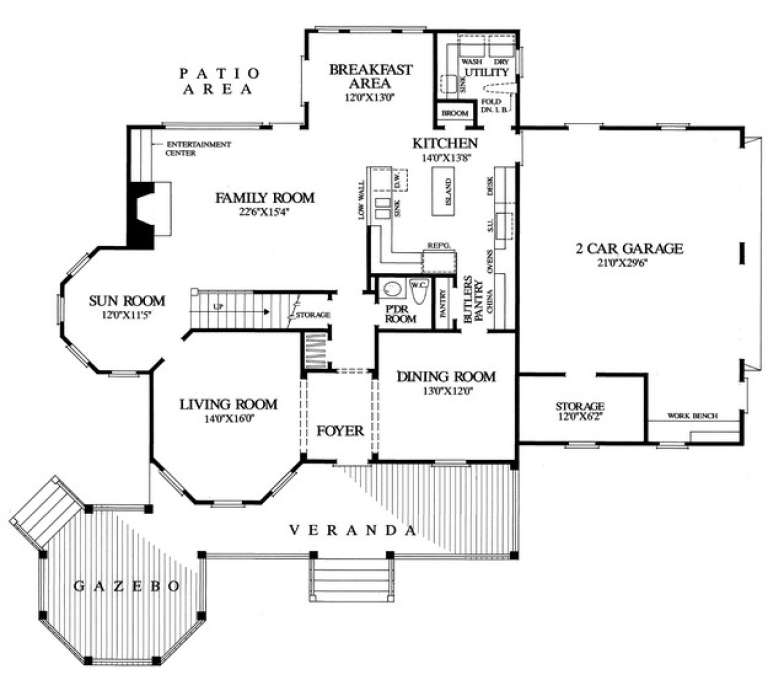
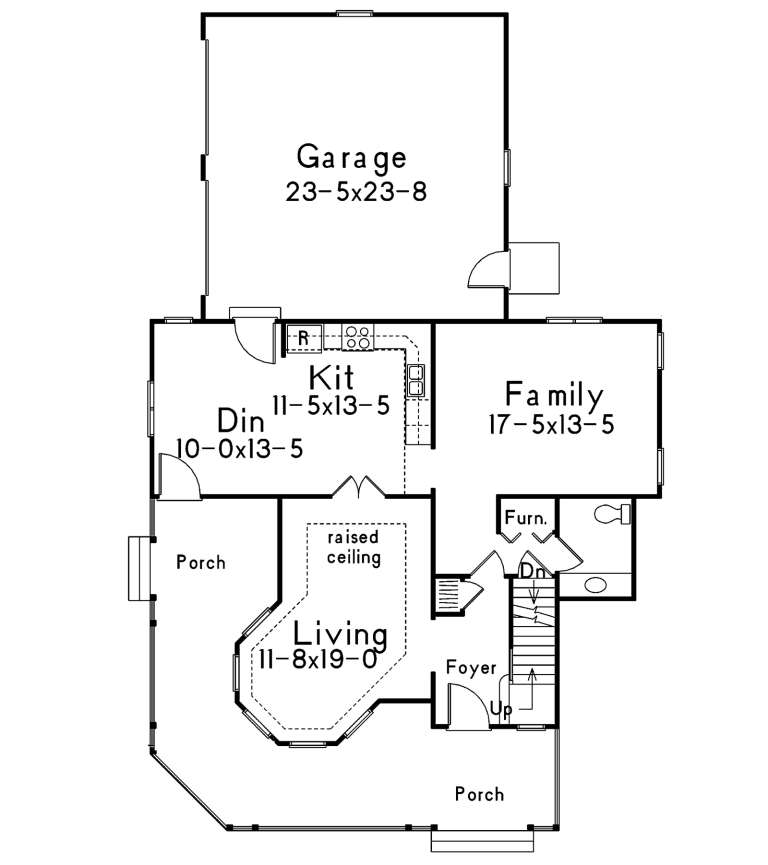
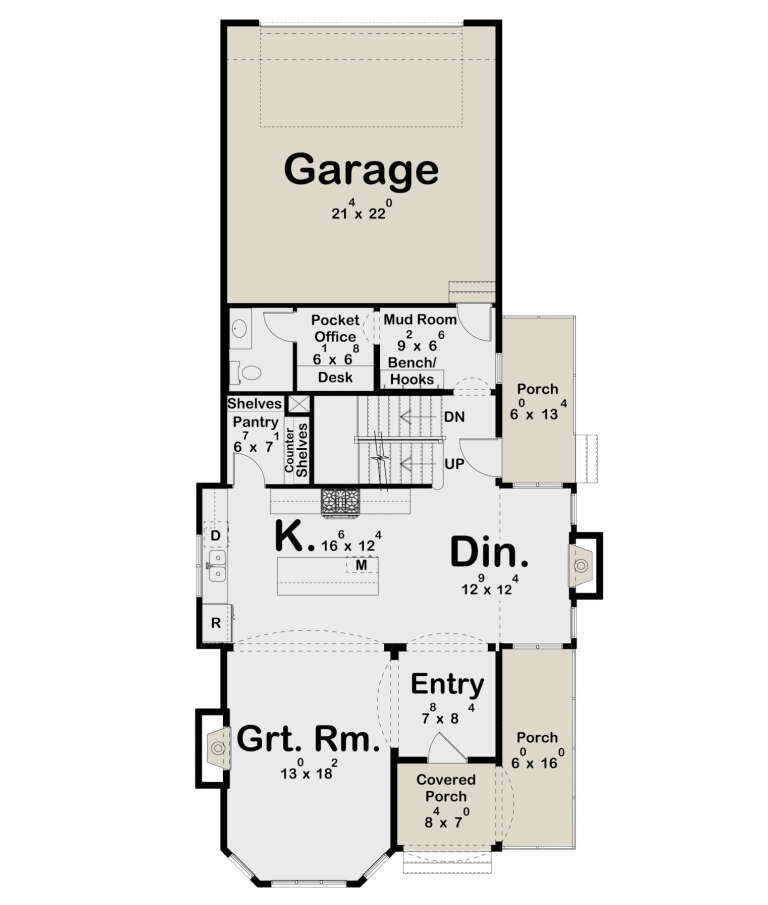
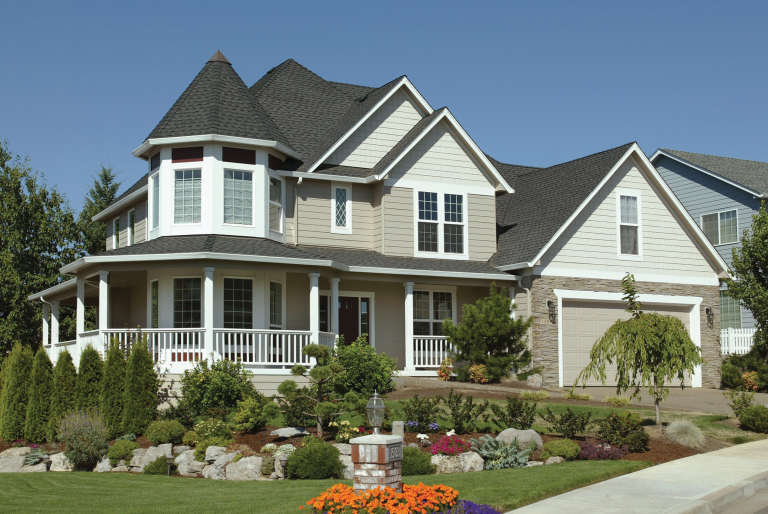
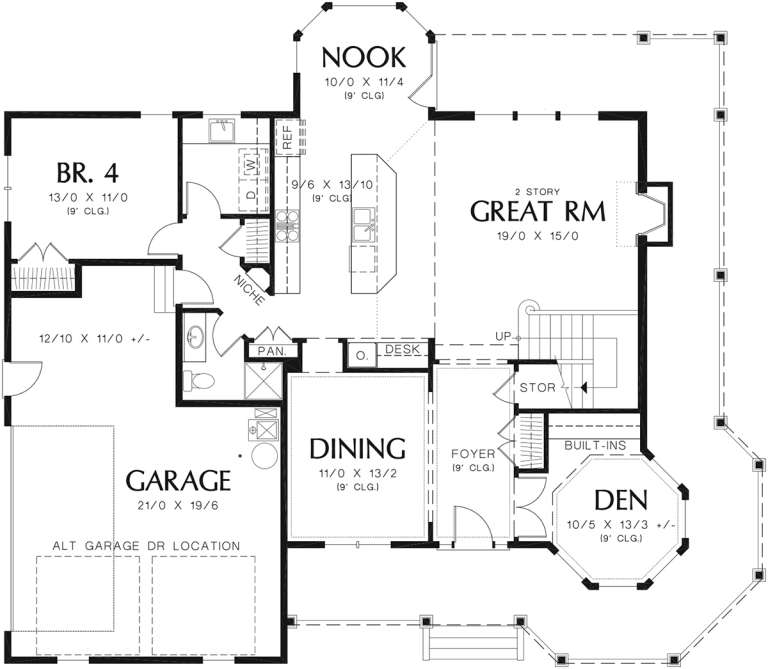
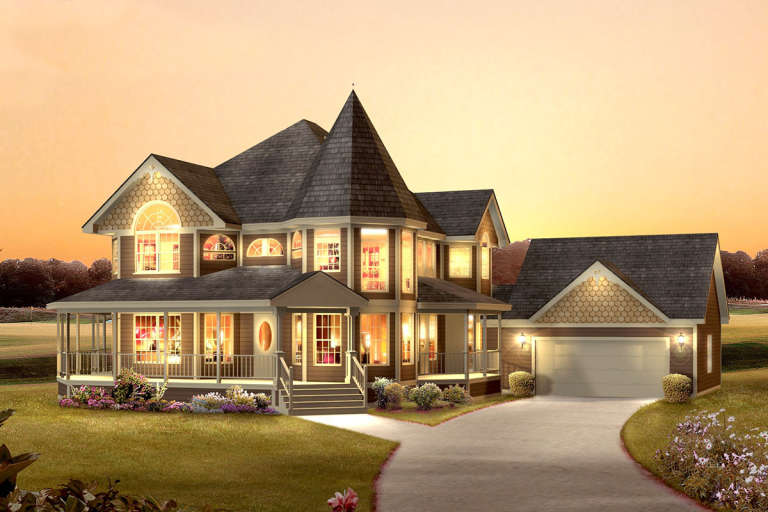
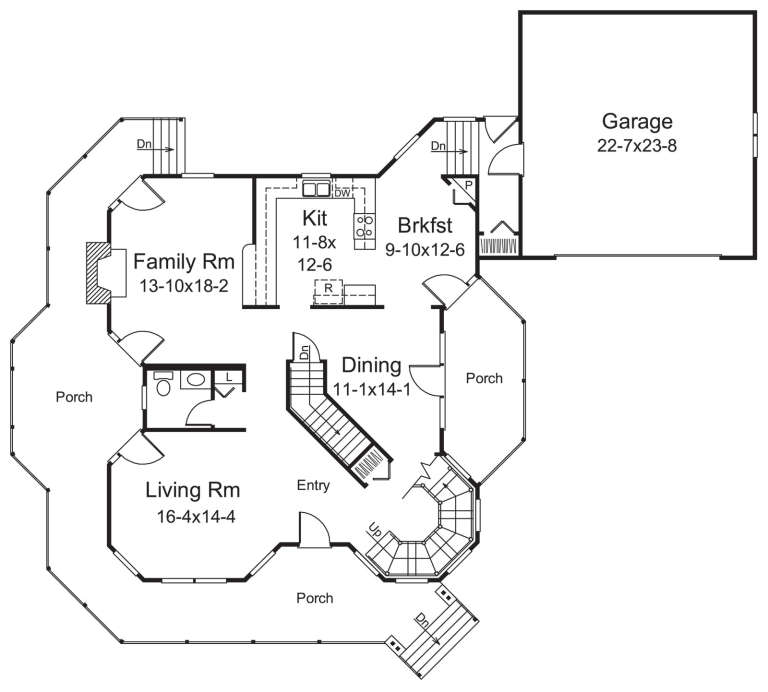
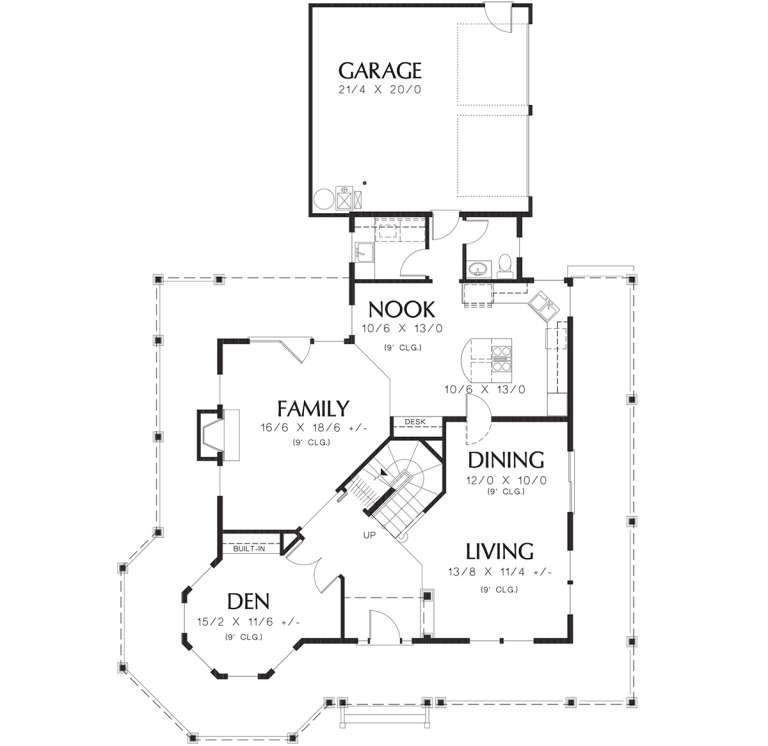
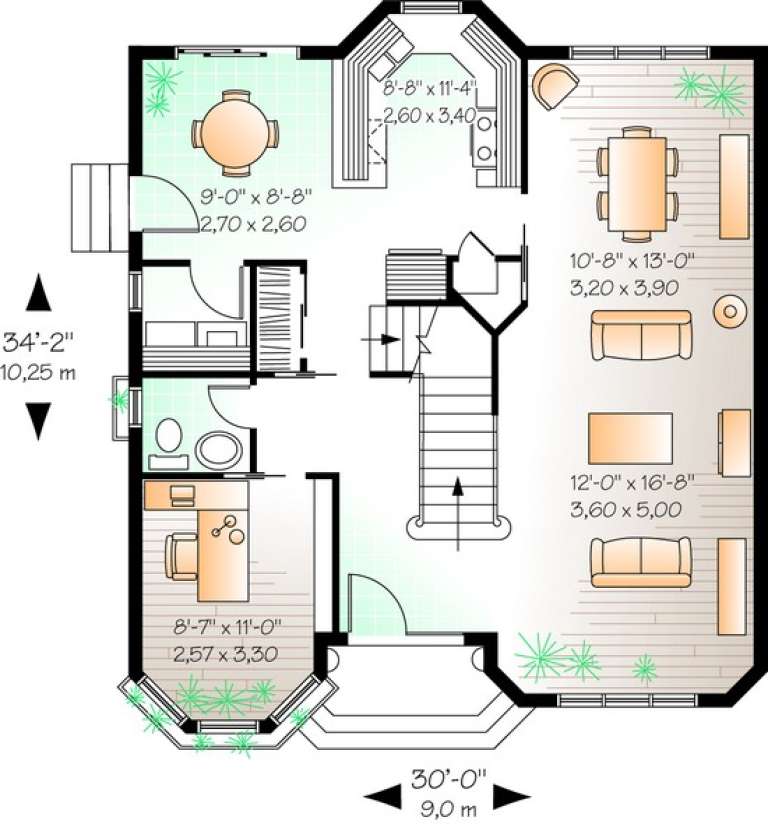
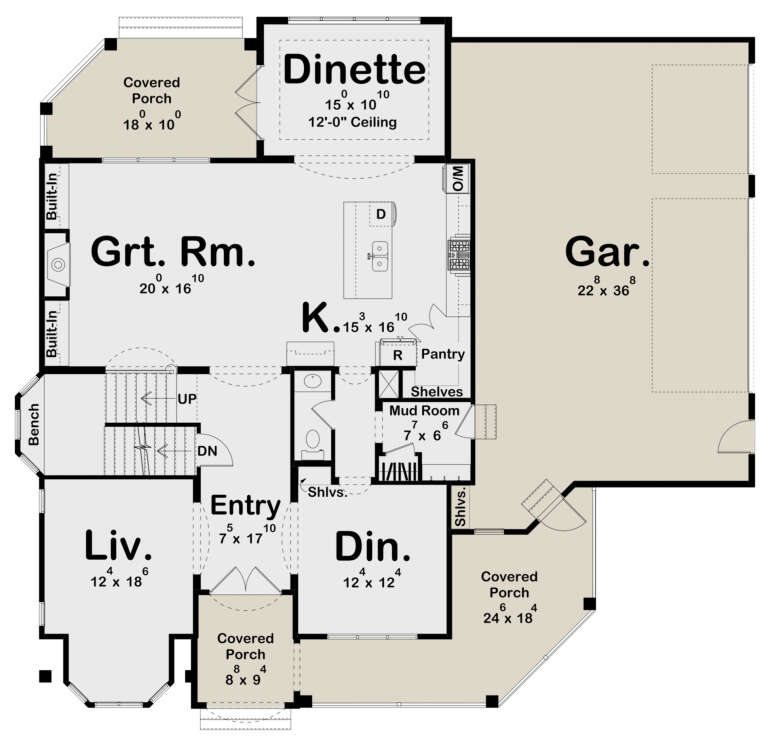
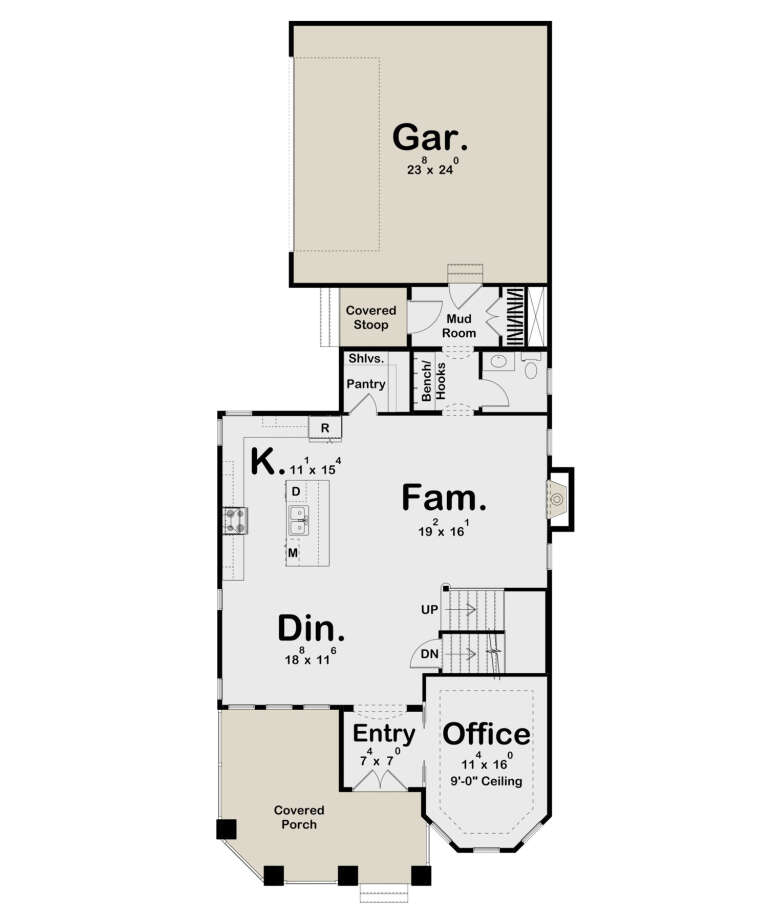
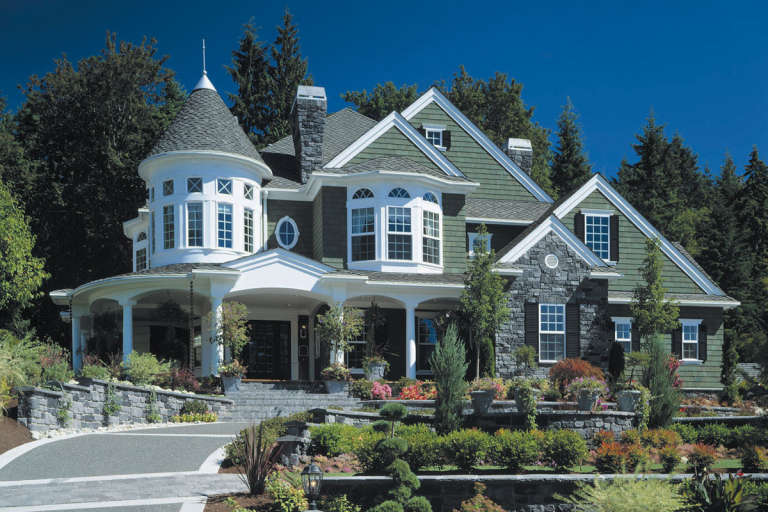
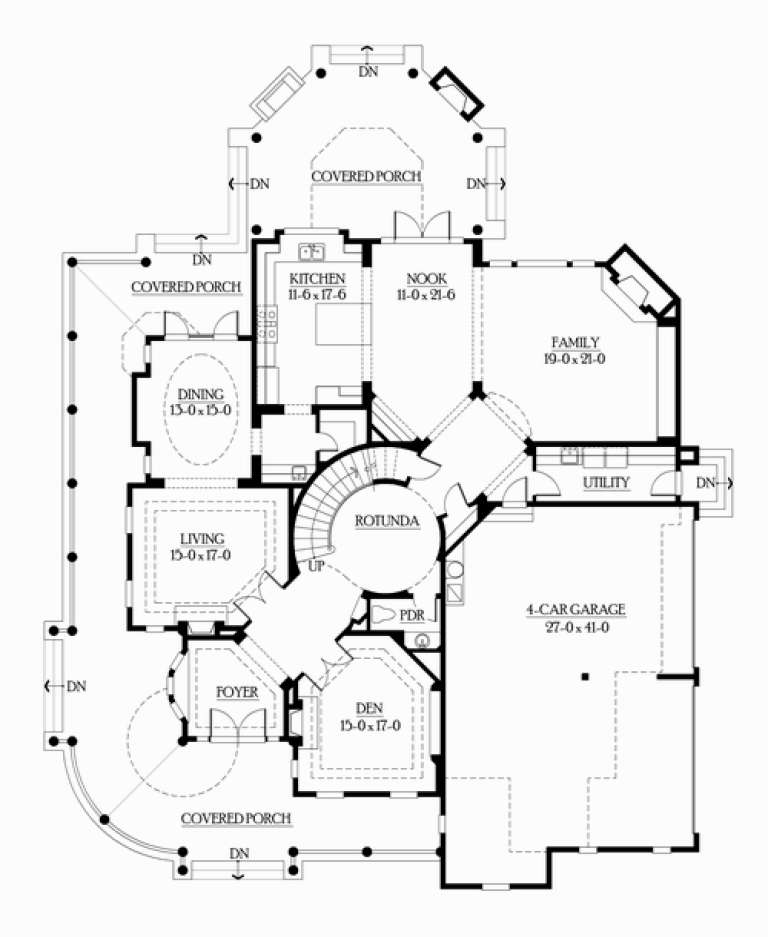
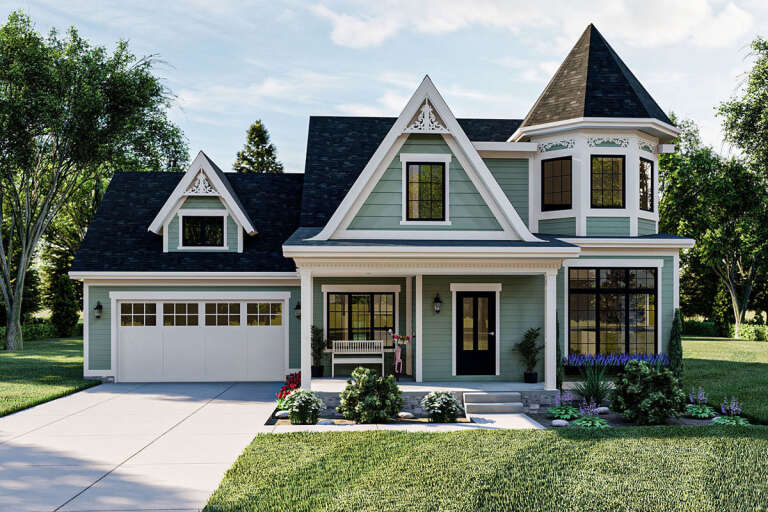
Because they were built to impress, the layout of a Victorian house can be intricate and luxurious, with highly ornate interior staircases, cubbies, and various nooks and crannies. In addition, victorian house floor plans may include towers and turrets of different sizes and styles, which are often used as bedrooms, libraries, or studies. These unique architectural design elements give Victorian homes a "castle" feel and can often be two or three stories high, circular in nature, provide abundant interior light, and feature Old World charm.
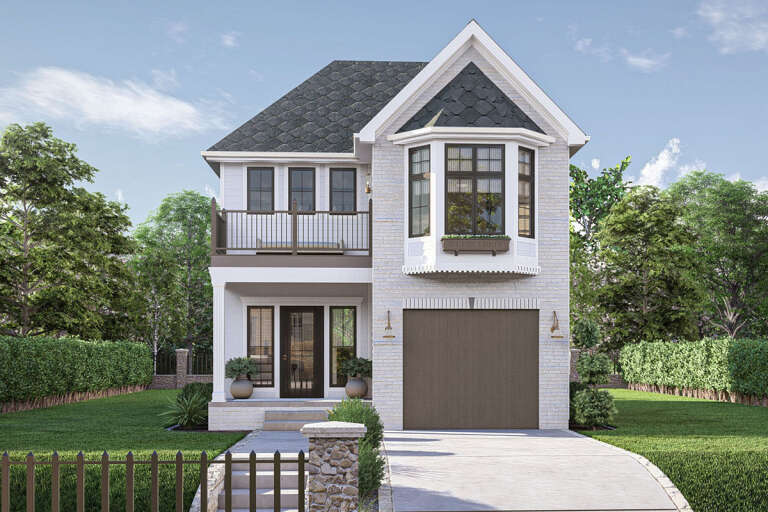
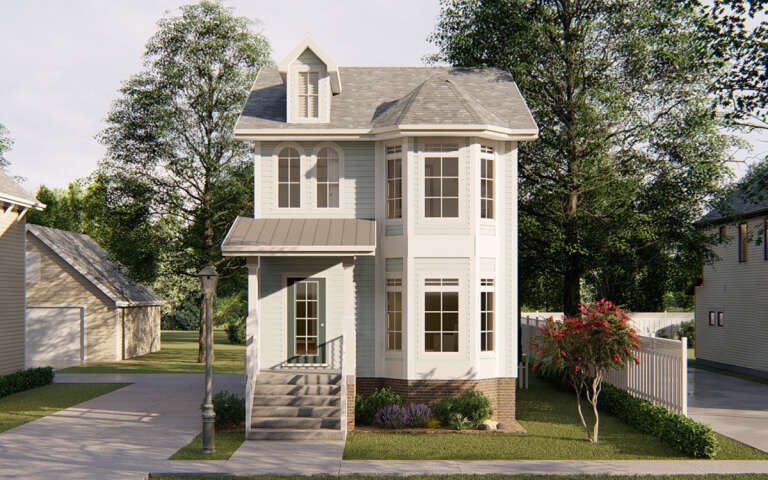
Bay and stained glass windows reflect the home's charm and character and commonly add interest and visual appeal to a highly decorative home. In addition, the large and spacious interior floor plans were designed for a new affordable lifestyle and punctuated with plenty of leisure time to entertain family and friends.
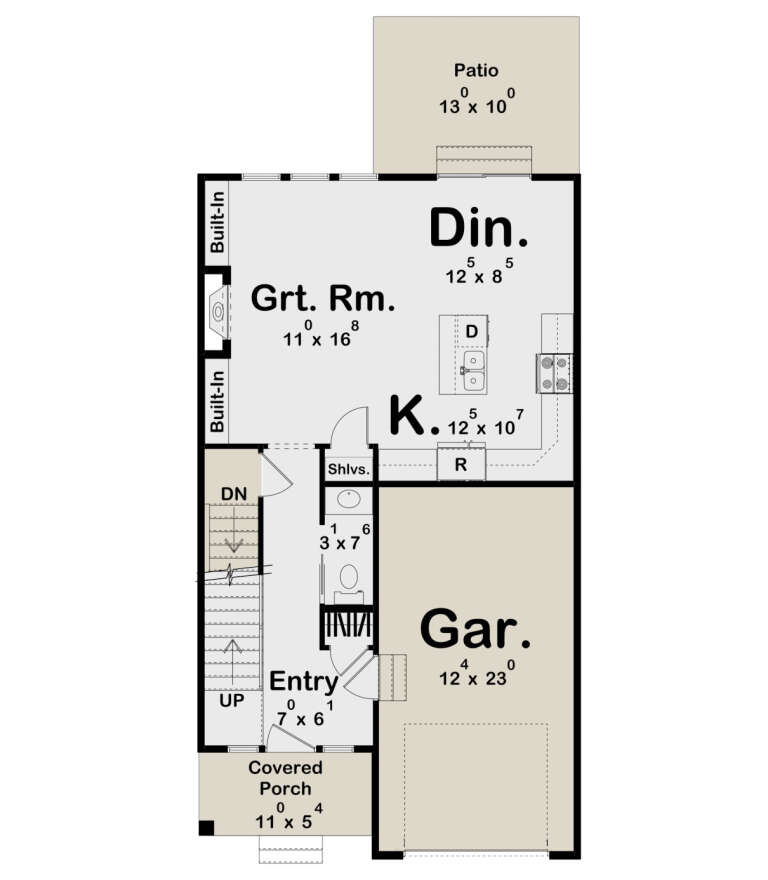
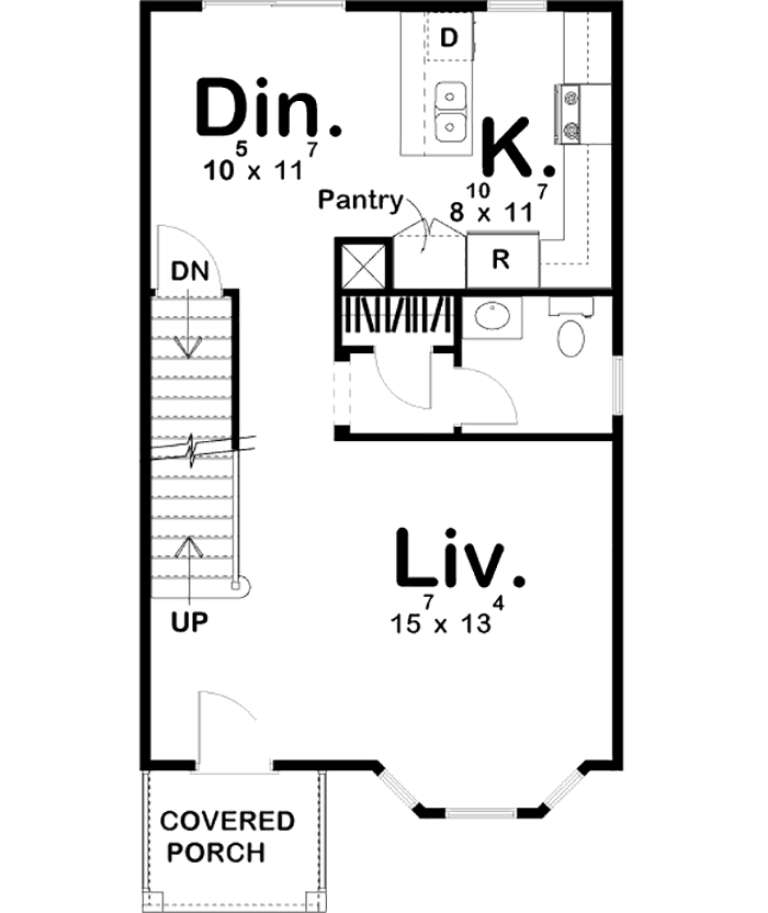
While most Victorian homes are two or more stories with traditional layouts, you will often find modern Victorian house plans open with split bedroom plans or a main-level primary suite with secondary bedrooms located on the top floor. In addition, there are opportunities to build smaller Victorian house plans, as evidenced by our vast collection of designs, which can vary from one-story plans with 780 square feet to two and three-storied methods of more than 7,000 square feet.
The number of bedrooms depends on the square footage of the Victorian house floor plan and the design of the house. A home must have no minimum or maximum number of rooms to qualify as a Victorian home.
Historically accurate Victorian homes have two living rooms, although they wouldn't have been called that when designed. Instead, depending on their use, they would have been called the parlor, drawing room, library, study, or even billiards room. Victorian etiquette required different rooms for different activities. Therefore, the parlor (or first living room) was used to entertain guests or for courtship, so both genders used this room. The library, study, or billiards room was typically (second living room) only reserved for men's activities.
Victorian houses can last up to 200 years, provided they are correctly maintained and repaired quickly before real damage is done to the home. Most true Victorian homes are between 100 to 180 years old now, and many still stand because their owners have ensured they take good care of them home.
Here are some features to look for to tell if a house is Victorian:
Folk Victorian-style homes differentiate themselves from other Victorian house plans by being much more straightforward in their design than the different subsets of Victorian styles.