

















-
 Single Family Plans
 - View All Single-Family Plans
- New Plans
- Open Floor Plans
- Best-Selling
- Exclusive
- Plans With 360 Virtual Tours
- More Single-Family Collections
-
 Garage Plans
 - View All Garage Plans
- Garages With Apartments
- 3 Car Garage Plans
- 2 Car Garage Plans
- 1 Car Garage Plans
- Garages With A Loft
- More Garage Collections
-
Recreation Plans
- Pool Houses
- Sheds
- Gazebos
- Workshops
- View All Recreation Plans
-
 Multi-Family Plans
 - Duplex Plans
- Tri-Plex Plans
- Four-Plex Plans
- View All Multi-Family Plans
-
Single Family Plans
- View All Single-Family Plans
- New Plans
- Open Floor Plans
- Best-Selling
- Exclusive
- Plans With 360 Virtual Tours
- More Single-Family Collections
-
Garage Plans
- View All Garage Plans
- Garages With Apartments
- 3 Car Garage Plans
- 2 Car Garage Plans
- 1 Car Garage Plans
- Garages With A Loft
- More Garage Collections
-
Recreation Plans
- Pool Houses
- Sheds
- Gazebos
- Workshops
- View All Recreation Plans
-
Multi-Family Plans
- Duplex Plans
- Tri-Plex Plans
- Four-Plex Plans
- View All Multi-Family Plans


The All-American Front Porch
July 3, 2024
Megan Hall


Overwhelmingly sought after, and culturally renowned in America’s architectural landscape, porches symbolize the spirit of American homes. As an architectural structure, the porch has existed throughout much of man’s history; from rock overhangs and cave dwellings to modern times, the porch has structurally and culturally retained a prominent spot in history. The American front porch remains a cultural and social icon unlike any other.
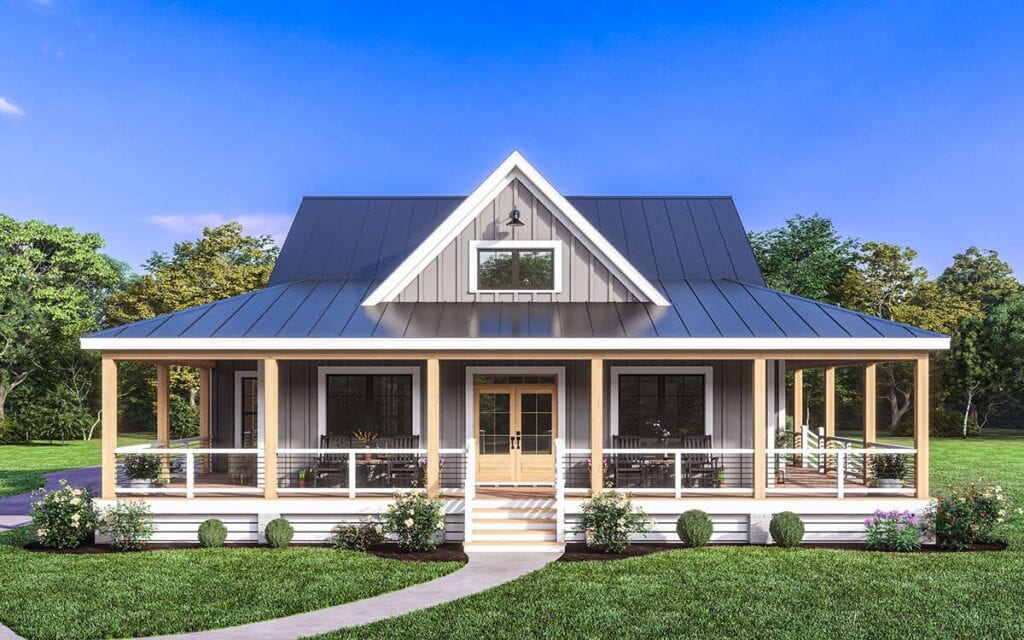
The word “porch” has been related to the verandah, portico, loggia, and piazza and represented a small, covered entrance, often in response to a place of worship, a public building, or private gardens. The word’s modern meaning embodies a roofed, open space secured to the house and offers shelter, shade, and outdoor living space to be enjoyed either as a solitary pursuit or shared with family and friends. Indeed, there are architectural records that indicate the frontrunners to the American front porch were, perhaps, European or African in nature; however, early colonists didn’t employ the use of porches; instead, they were busy shaping the landscape of America through the use of elementary house structures. Some of the first porches built in America began to “pop” up well into the 18th century. They were heavily influenced by the climate of parts of North America and certainly the South, in particular.
They conveniently outlined the need for fresh, well-ventilated air and breezes, which were a must-have for homeowners’ comfort and where they offset the tropical and humid weather conditions. By the mid-19th century, industrialization and technological advances had created a leisure class free from “survival mode” who sought to enjoy their free time and thus, the creation of the front porch as we know it today: a spot to relax, enjoy other’s company and “pass the time of day.”
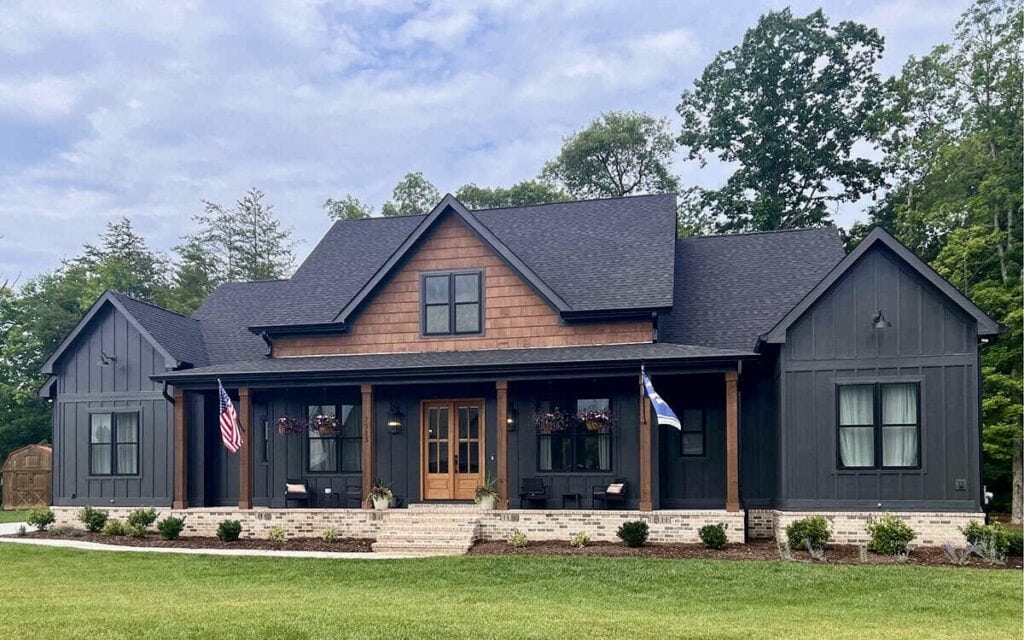
Americans have had a long love affair with the large land mass that defines it, its accompanying wildlife and natural landscape, and the desire to tame them both. Americans soon became fascinated with their connection to nature in terms of personal enjoyment and spiritual growth. The presence of a front porch inevitably linked their house to nature as a cultural and societal symbol of American homes. From there, it was easy to transition to include front porches when building homes as they represented the American ideal of home, family, and community.
Unfortunately, the post-World War II era witnessed the decline of the American front porch as Americans began to be enticed back indoors. Air conditioning soon found its way into the American home, and from there, the need to step outside to seek comfort and a way to cool off became unnecessary and undesirable. The invention of the television soon followed, delivering a “death” blow to the front porch. It was much cooler indoors, and family life began to center around the television. With the decline of the front porch, culturally and societally, a new outdoor space emerged: the rear porch, creating a private space away from neighbors that offered a sanctuary to enjoy one’s leisure time with family after a long day at work or a day spent indoors. This design can range from a covered back patio or sunroom to a screened-in porch offering a private backyard oasis.
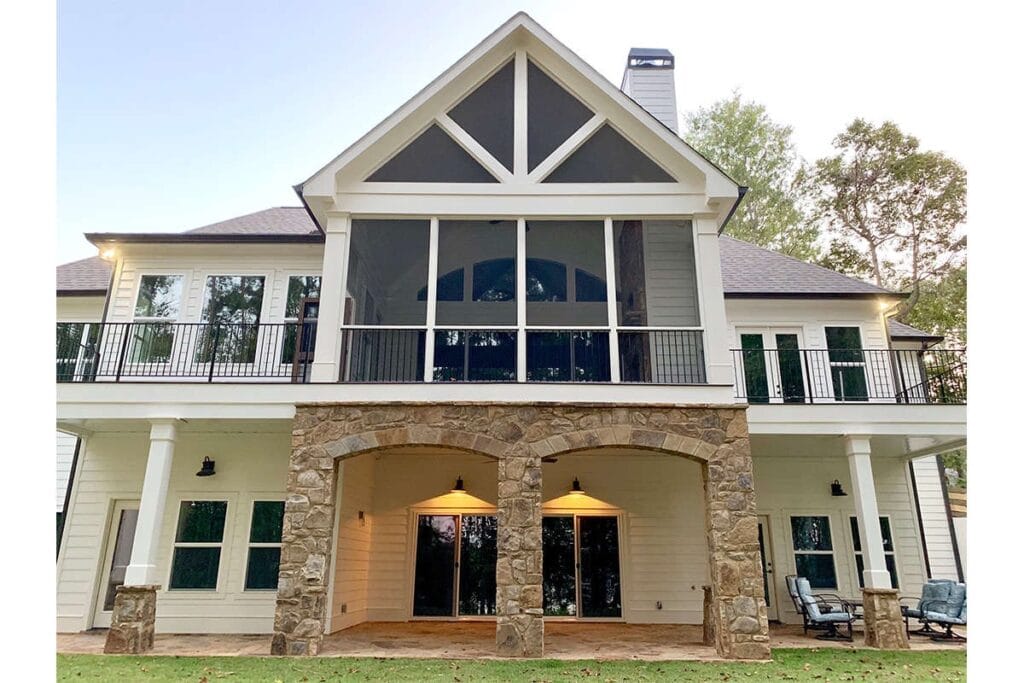
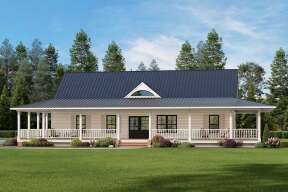
As is often true in all contexts regarding the nature of life, front porches have re-emerged as a defining force in American architecture and lifestyle choice. This once beloved and status symbol where the simple pursuit of leisure and family time has once again found its way back into America’s hearts and homes. This “back to basics” concept has come on the heels of the renewal of the American traditional values of family, heart, and home. This new, old-fashioned porch has turned into endless options for coming to express not just a place but a state of mind. Including one of Ameirca’s new favorite layouts, the wrap-around porch. Where the inviting porch meets the side of the house and sometimes even to the back. Many love the space, the different views, and the creativity you can endure with a wrap-around porch. Hopefully, we will continue to be “front porch people” and experience a renewal of the American spirit in terms of living purposefully through our connections to people, nature, and values.
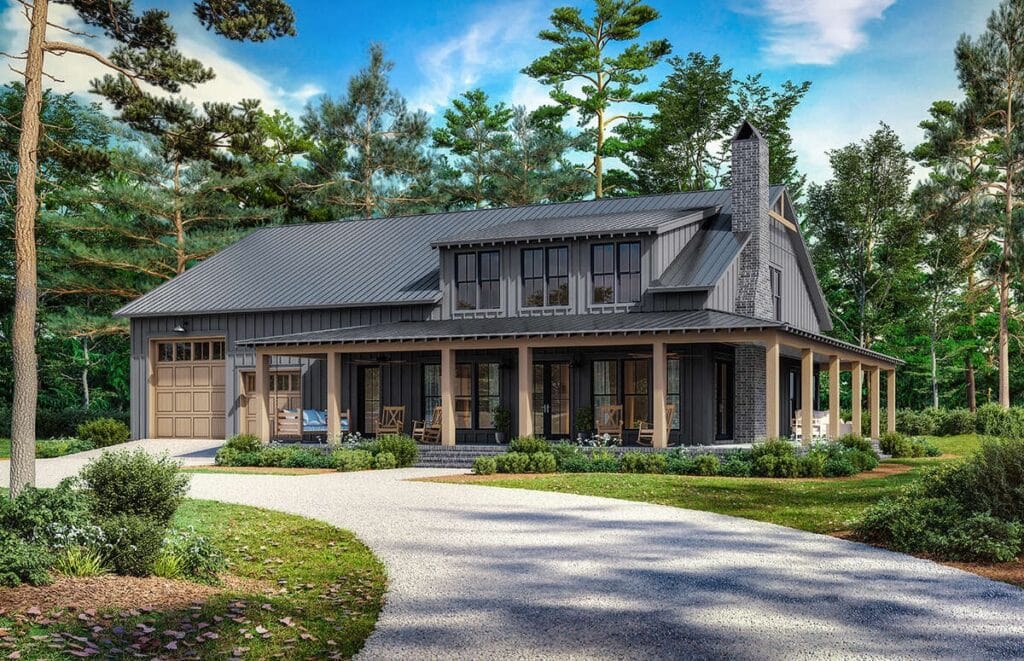
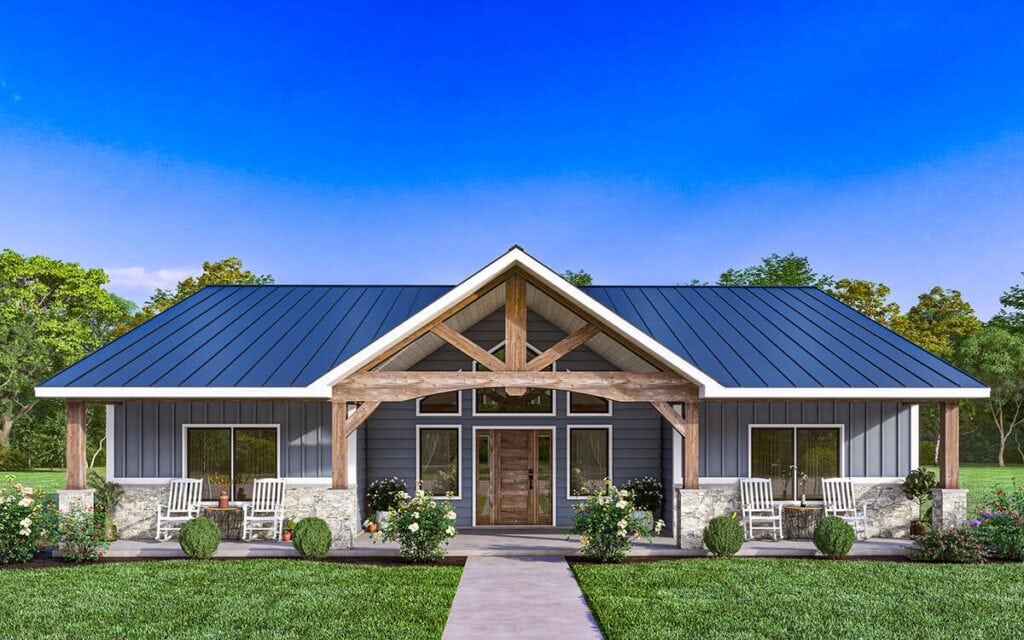
As you learn the true history of the all-American porch, you will realize that there are an endless number of options for outdoor living! You may just have to include a cozy porch in your newly built home! When designing your dream home, if you’ve finally found the one but need to make a few changes to the outdoor living, we can modify any of the 21,000+ House Plans in our collection.
As you explore various house plans with numerous porch styles, please take note that every house plan in our collection can be modified through our Modifications Services. If you find the perfect house plan but have a preferred ceiling choice in an area, you can request to make changes with our modifications team. We want your home to be exactly what your family wants and needs. Find more information about how the customization process works HERE.

Megan Hall
Megan is the Director of Marketing at America’s Best House Plans, focused on creating clear, engaging customer experiences. She leads brand and digital strategy while continually finding ways to improve efficiency behind the scenes. Collaborative and customer-driven, Megan plays a key role in how the company connects with and serves its customers.
Related Articles
August 13, 2024
/Megan Hall
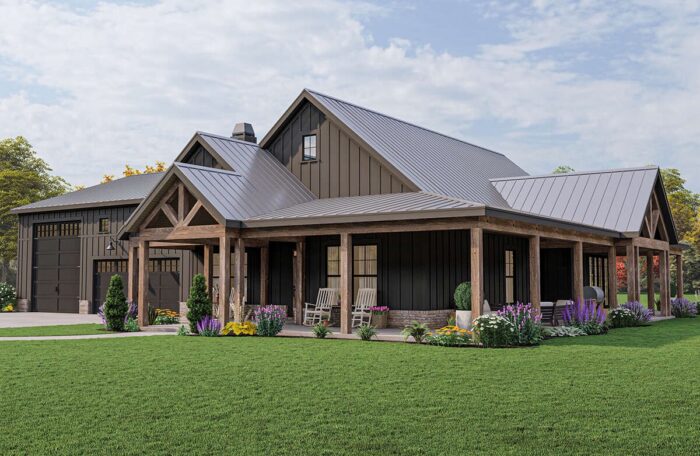
Porches – What Are Your Options?
There are so many options and choices to be made when it comes to designing your dream house plan.…

May 24, 2024
/Alexis Fordham
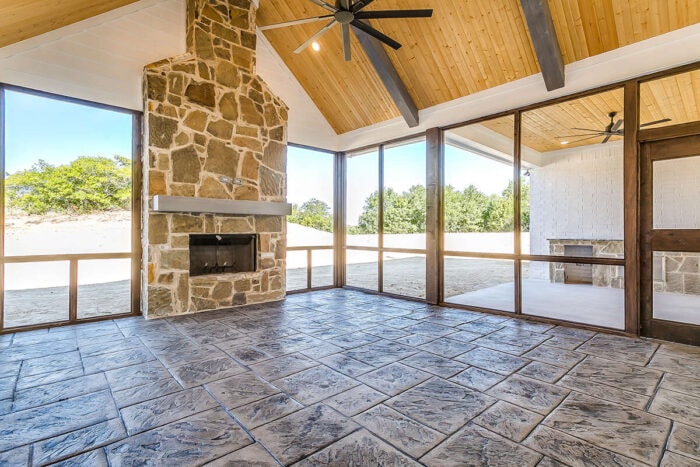
10 Simple Screened-In Porch Ideas for Your Next Home
Screened-in porches are an easy and unique way to extend your indoor space to the outdoors. Enjoy…
June 1, 2022
/Alexis Fordham
Outdoor Living Space Ideas: Patios, Lanais & More
The birds are chirping, the flowers are blooming, spring is here. As the temperature warms up, you…