





















-
 Single Family Plans
 - View All Single-Family Plans
- New Plans
- Open Floor Plans
- Best-Selling
- Exclusive
- Plans With 360 Virtual Tours
- More Single-Family Collections
-
 Garage Plans
 - View All Garage Plans
- Garages With Apartments
- 3 Car Garage Plans
- 2 Car Garage Plans
- 1 Car Garage Plans
- Garages With A Loft
- More Garage Collections
-
Recreation Plans
- Pool Houses
- Sheds
- Gazebos
- Workshops
- View All Recreation Plans
-
 Multi-Family Plans
 - Duplex Plans
- Tri-Plex Plans
- Four-Plex Plans
- View All Multi-Family Plans
-
Single Family Plans
- View All Single-Family Plans
- New Plans
- Open Floor Plans
- Best-Selling
- Exclusive
- Plans With 360 Virtual Tours
- More Single-Family Collections
-
Garage Plans
- View All Garage Plans
- Garages With Apartments
- 3 Car Garage Plans
- 2 Car Garage Plans
- 1 Car Garage Plans
- Garages With A Loft
- More Garage Collections
-
Recreation Plans
- Pool Houses
- Sheds
- Gazebos
- Workshops
- View All Recreation Plans
-
Multi-Family Plans
- Duplex Plans
- Tri-Plex Plans
- Four-Plex Plans
- View All Multi-Family Plans


House Engineering 101
August 21, 2014
Michael Luckado


If you are just starting the new home planning process and have been through it before, you know how complicated it can be. One of the biggest challenges involves balancing design ideas with house engineering. Sometimes we set our sights on a particular design idea but it can be difficult to create a solid structure that meets those needs in an affordable way. Let’s talk a little about how house engineering works and discuss how changes must be carried out properly to avoid structural problems.
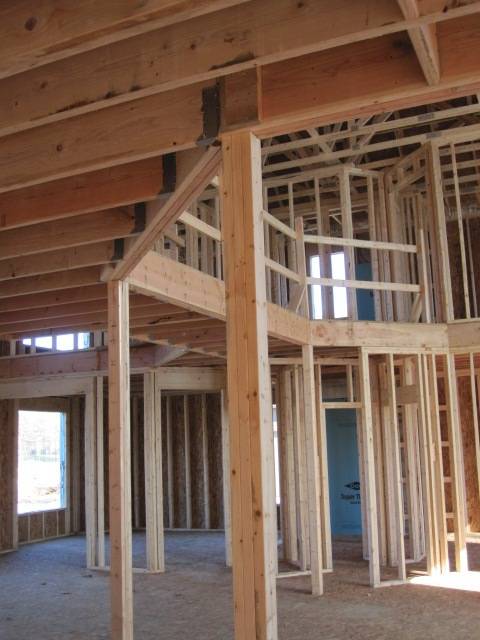
Column Supporting Floor Above
Loading and Support
The easiest way to describe the home structure is to say, “every part of the home needs to be supported by something solid below it.” If we take a look at each individual piece of the home, we can see how the weight of that structure is supported from below. There are the obvious structural items in a ranch plan with a basement…
- Roofing – supported by roof decking below
- Roof Decking/Plywood – supported by the rafters or trusses below
- Rafters/Roof Trusses – supported by the framed walls, beams and girders below
- Framed Walls – supported by the floor decking below
- Floor Decking – supported by the floor joists or floor trusses below
- Floor Joists/Trusses – supported by the foundation wall/beam below
- Basement Beam – supported by the steel columns and foundation wall below
- Steel columns/Foundation Wall – supported by the footings below
- Footings – supported by the soil below
This is a simplistic way of looking at house engineering, but it shows how all of the home components work together to create a sound structure.
Changes
It sounds easy to change a structural item in a house or plan. As a builder, I can’t tell you how many times I’ve heard statements from customers like, “it’s just a column, just move it over there…what’s the big deal.” When the item is not a structural component in the home (i.e. the list above), it can be moved without much effort. But when the item in question is part of the structure and is supporting something above, it involves much more analysis to prevent future settlement problems or even worse, collapse.
So whenever a change involves a structural item, the house engineering needs to be reviewed. For example, let’s say you want to move a structural column on the first floor of a two story home with a basement. Here is a list of items that need to be reviewed/changed:
- Column – Identify exact location of the new column and evaluate the loading from above. If there is a beam resting on the column and the span increases, the beam may need to be replaced with a larger one. If the column no longer rests under the beam above, a second beam may need to be added to support the end of the original beam. This will create addition loads under the new beam added.
- Column Support – The column being moved will need support from below. If it currently rests on the decking of the first floor, this decking and framing below will need to be evaluated. If the column is supporting any real weight, there is most likely a beam in the floor framing below that supports it. This beam will need to be moved to pick up the weight of the column above.
- Beam Support – The beam under the column in the first floor framing will need to be supported as well. If it is moved, the basement steel columns and beam will need to be re-evaluated.
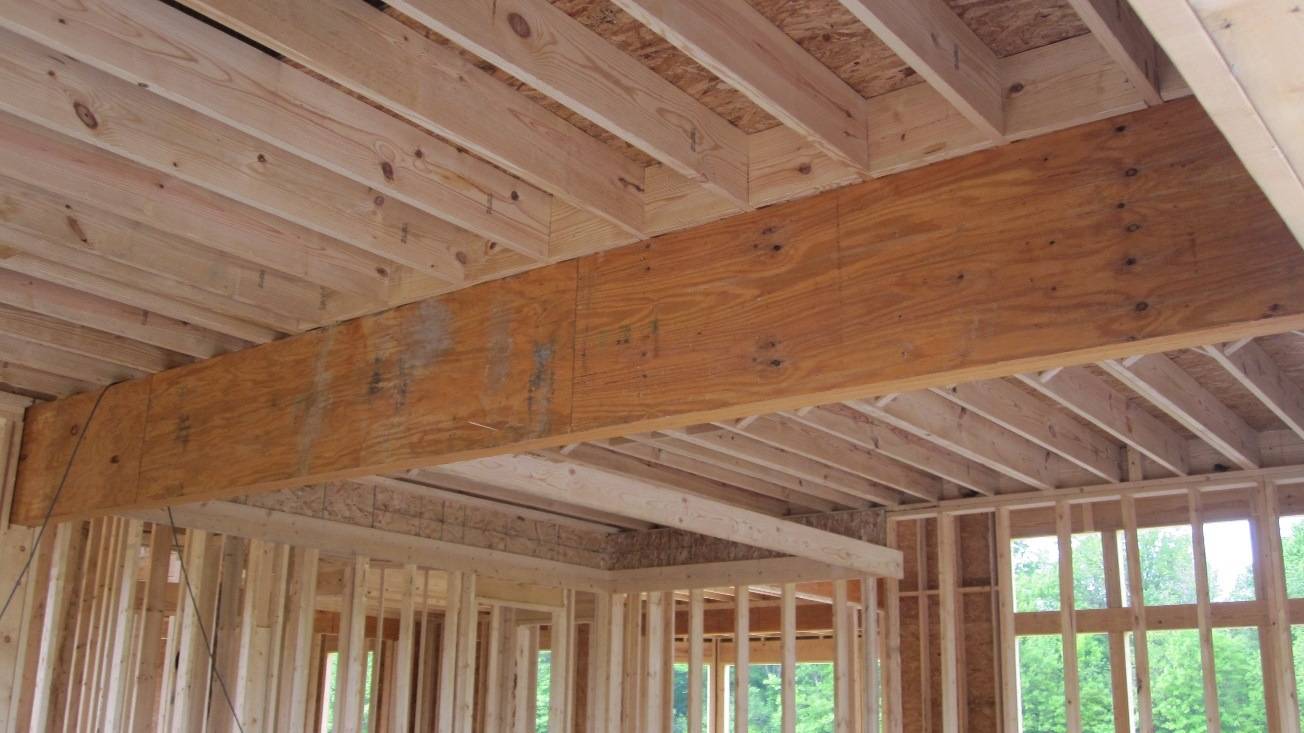
Laminated Beam Supporting Floor Above
- Basement Columns – With the changes to the loads above the columns, the house engineering will then focus on the size and capability of the columns to carry the changes in weight.
- Basement Column Footings – If the columns move or the loading from above the columns changes, the column footings will need to be evaluated to make sure they are the correct size and in the correct location.
Protocol to Avoid Structural Problems
It’s easy to see how a small change to a house’s structural components requires some hefty analysis to make sure everything will be sound when built. So it’s important to have a qualified house designer, architect, or engineering review any changes that are considered before construction starts. The contractor or owner builder should also evaluate the change to see what the potential impact will be on the new home budget. Once the decision is made to make the change, the building department will need to approve it (if the permit has already been issued).

Michael Luckado
Michael Luckado has built, remodeled, and repaired thousands of homes across the U.S. He co-founded ArmchairBuilder.com to help people save money and time creating their dream home.
Related Articles
July 15, 2026
/Tim Hampton
A-Frame vs. Modern Cabin Plans: Which Style Is Better?
If you’re dreaming of building a mountain retreat, one of the many key decisions you’ll make after…

June 29, 2026
/Megan Hall
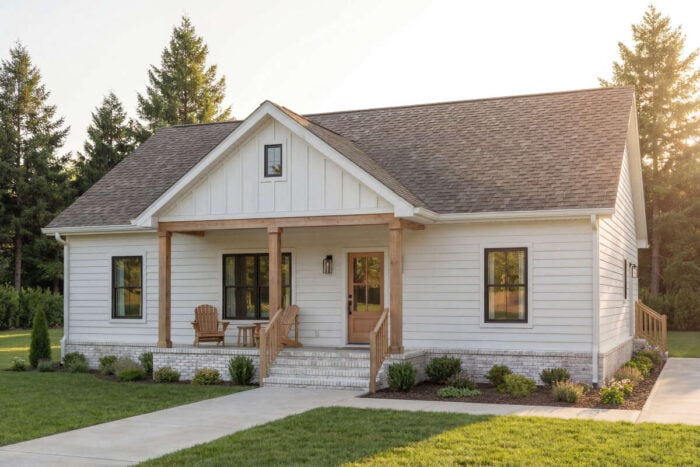
The Ultimate Guide to Cottage Homes: Country Cottage, Modern Cottage & Small Cottage
Few home styles feel as welcoming and timeless as a cottage. From charming country retreats to…
June 15, 2026
/Megan Hall
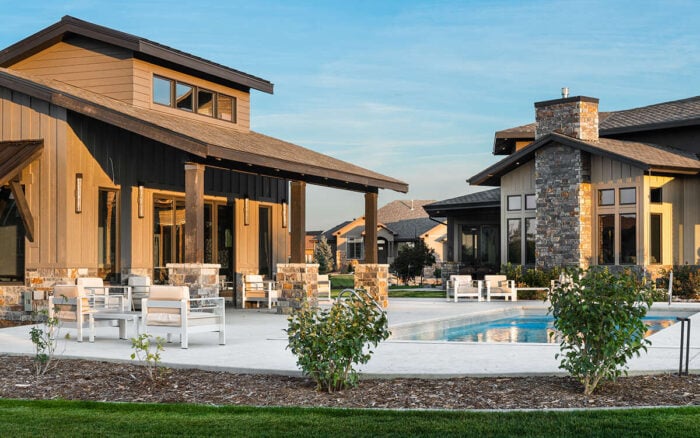
The Rise of Backyard Recreation Spaces in Modern Home Design
For many homeowners, the backyard is no longer just a patch of grass behind the house. It has…
June 1, 2026
/Alexis Fordham
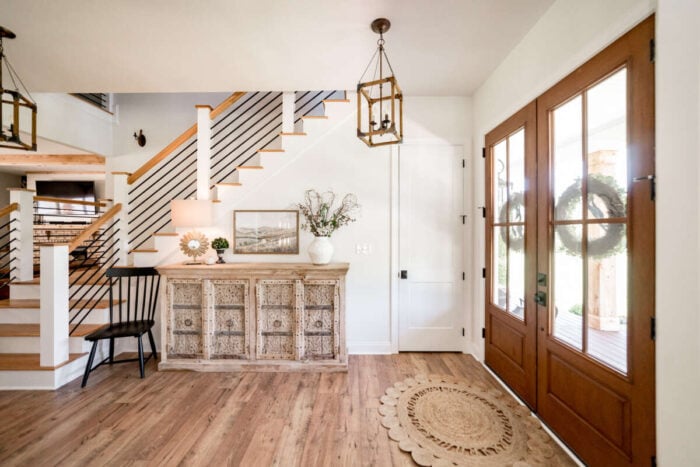
Ranch vs. Two-Story Homes: Which Is Better for Your Lifestyle?
The number of floors in a home affects far more than its appearance. It influences how easily the…
May 19, 2026
/Alexis Fordham
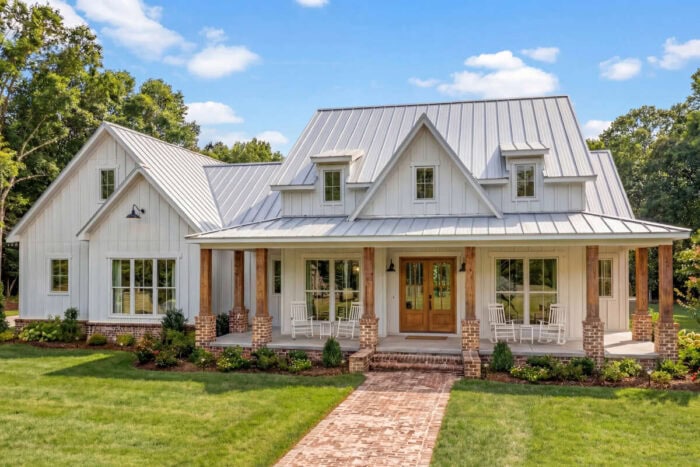
Modern Farmhouse Versus Craftsman: Which Style Best Fits You?
Modern Farmhouse Versus Craftsman: Which Style Best Fits You? Some homes feel bright and…
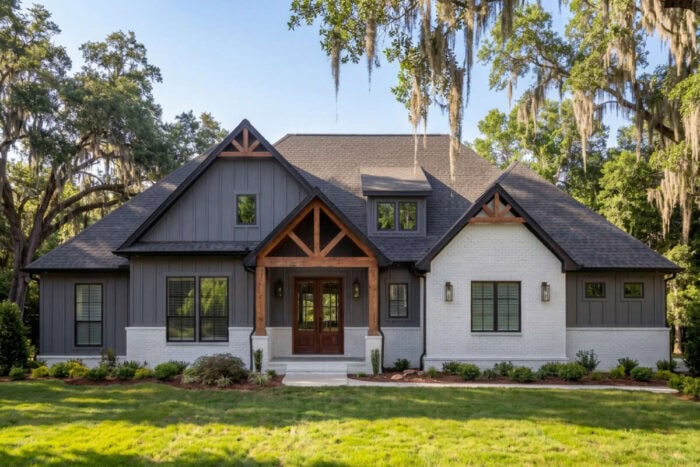
May 3, 2026
/Megan Hall
Modern Farmhouse Plans: Why This Style Still Dominates (and How It’s Evolving)
The Modern Farmhouse style has been a favorite among homeowners for years. Its success comes from…
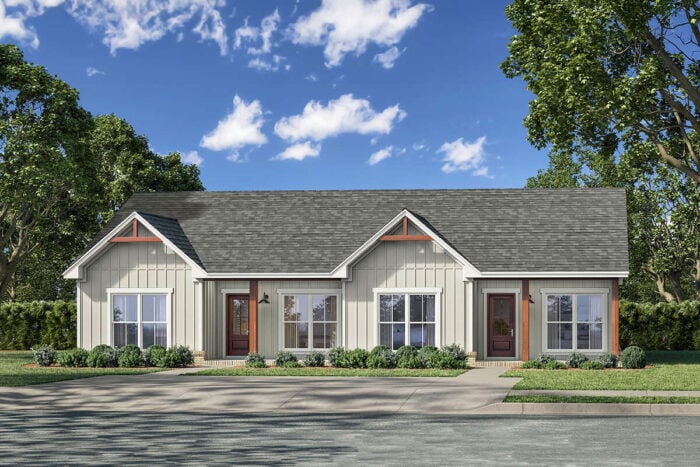
April 28, 2026
/Alexis Fordham
Why Multigenerational House Plans Are Shaping the Future of American Living
In today’s housing market, the definition of the “modern home” is evolving and fast. One of…
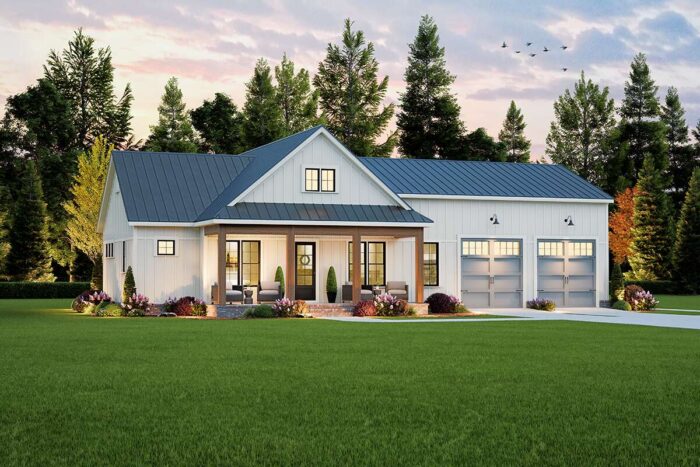
April 22, 2026
/Alexis Fordham
Small Barndominium Floor Plans That Maximize Space
Barndominiums have quickly become one of the most popular choices for homeowners who want flexible…
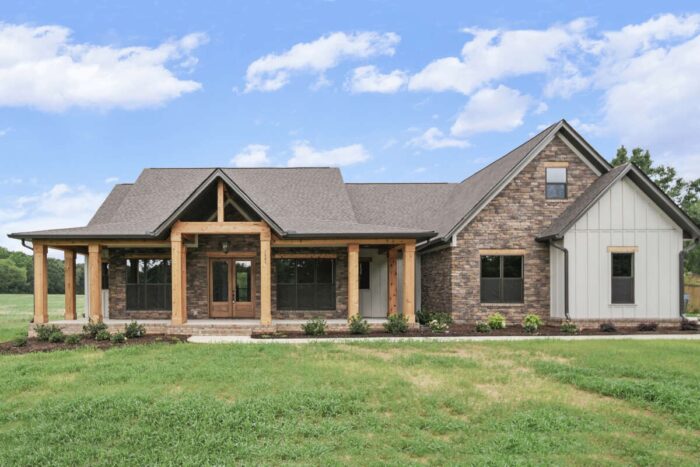
December 30, 2025
/Alexis Fordham
2025 Spotlight – Your Most Loved Home Designs of the Year
From Modern Farmhouses to mountain-ready retreats, these are the 12 house plans that defined…