




SEARCH FILTERS
SEARCHING...

 360°
360° Video
Video










 Single Family Plans
 Garage PlansRecreation Plans
 Multi-Family PlansSingle Family PlansGarage PlansRecreation PlansMulti-Family Plans
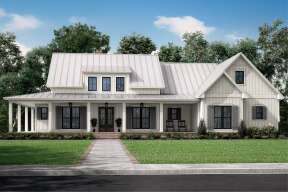
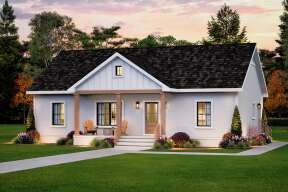
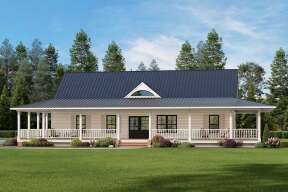
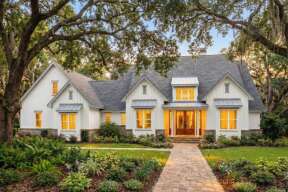
Traditional house plans can be difficult to categorize; however, these classic home designs can typically be identified by viewing their interior footprint. Usually, these homes feature the more formal rooms at the front of the house; a living and dining room add grace and grandeur to these home designs and feature a great approach to entertaining or celebrating special family occasions.
Often, these homes feature classic rooms of bygone eras, a music conservatory, a library, a study, or a formal office with wood paneling and a grand fireplace. The more modern traditional house plans will, perhaps, incorporate a formal living and dining room and then also feature open standard rooms at the rear of the home for private family use.
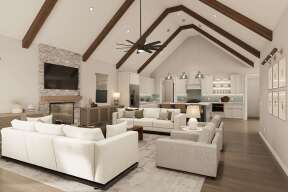
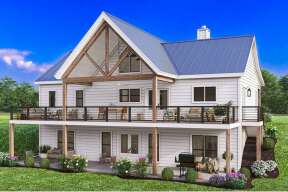
Regardless of the scale and number of interior rooms, traditional house plans will, most often, blend vaulted ceilings, well-laid-out floor plans, and fabulous window views into the home's interior. The homes may contain expansion space with lofts, bonus rooms, basements, a cellar or walk-out basement, and these interior features.
Some of the key characteristics of traditional home architecture are:
The function of a traditional house design is to serve the occupants' necessities in the current day and age. By this definition, a conventional home from 50 years ago differs from today's traditional home.
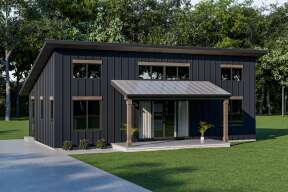
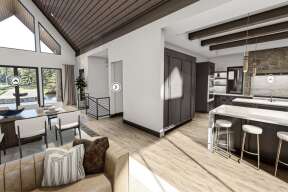
One of the most significant differences between a modern and traditional home is floor plans. You'll quickly notice when comparing layouts that conventional house floor plans are usually made up of many smaller, designated rooms. In contrast, a modern home is typically one ample, open space, relying on the décor to define the living spaces rather than walls.
Another striking difference between modern and traditional homes is often the windows. While both homes may have large windows, traditional homes will likely have the windows symmetrically placed and adorned with curtains and even decorated with stained glass. On the other hand, modern homes will have windows of differing shapes and sizes in addition to one or more skylights, letting in as much natural light as possible.
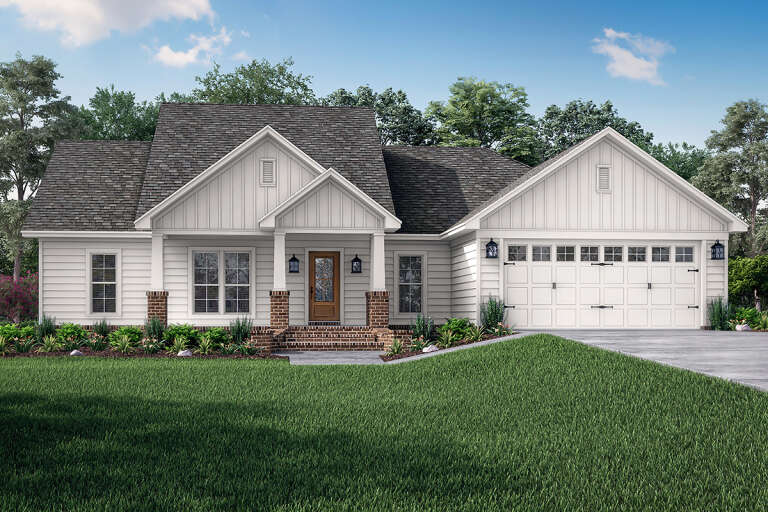
Traditional houses are typically made of stone, brick, stucco, or a combination of the three. Newer traditional home plans will sometimes only use brick on the exterior but use modern materials for the framing and interior of the home.
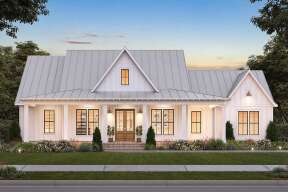
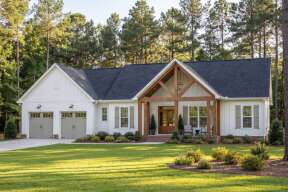
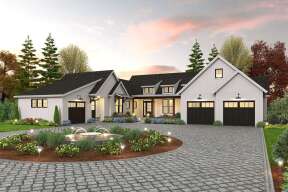
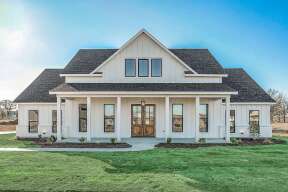
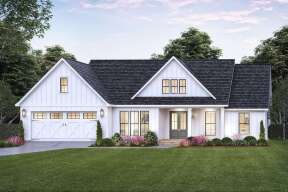
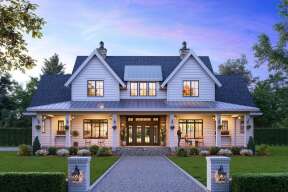
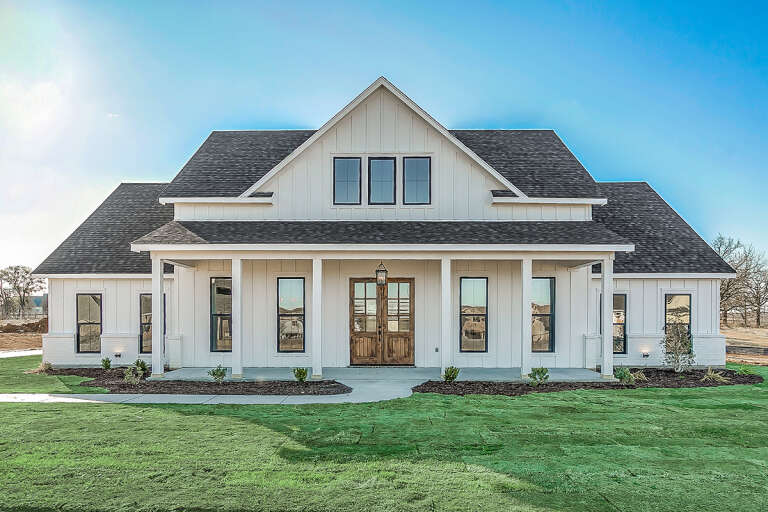
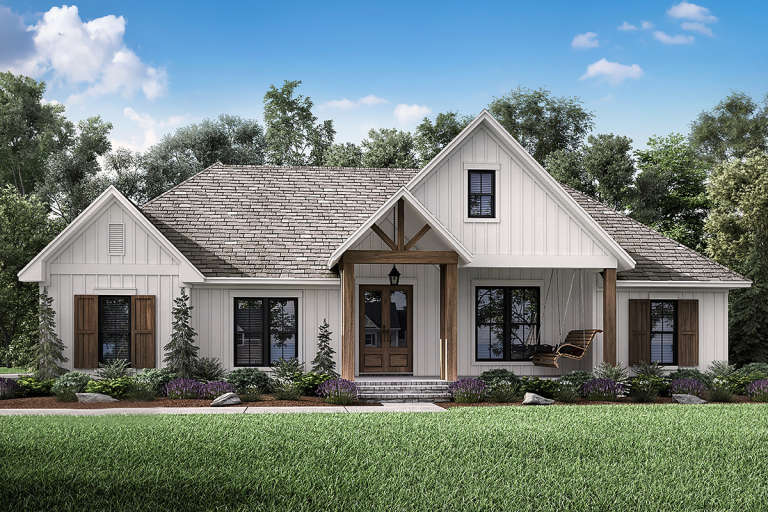
A modern traditional home takes many of the exterior features of a conventional home, such as gabled roofs, dormers, and columns. However, it combines them with some of the more modern floor designs in the 21st century, such as open-concept kitchen and dining areas and an open floor plan. You may also visit the addition of more windows and skylights to let in more natural light.
There are several reasons why some people believe traditional houses are better than other homes. The first is that they are generally more cost-effective to build than other, more modern, or design-specific styles of homes. Materials for traditional house plans are readily available in any housing market, and almost nothing must be specially ordered to complete the home's construction.
In addition to being cheaper, traditional-style house plans are very flexible in design and can be modified in many ways to suit your tastes. And because they're flexible, they tend to blend in with just about any neighborhood they're built in, preventing you from being the sore eye on the block.
And lastly, traditional homes are timeless. Of course, trends come and go, and the definition of "modern" will forever change, but traditional homes will never go out of style.