






















Plot Plan vs. House Plan

Plot Plan vs. House Plan

Since you’re here at America’s Best, you probably know what a house plan is all about.  But do you know what a plot plan is and what role it plays in the construction of your new dream home?  Believe it or not, it’s an extremely important part of the process that deserves special attention to help you avoid extra costs and headaches.

Roles of Each Plan

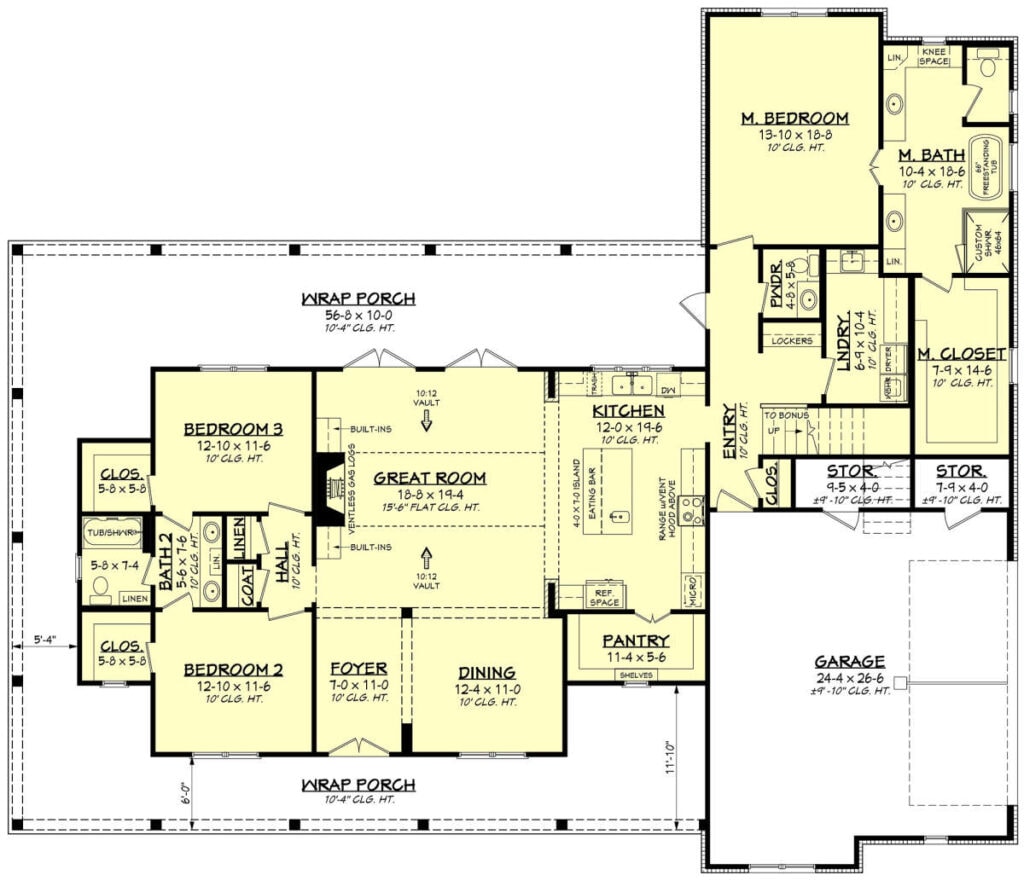
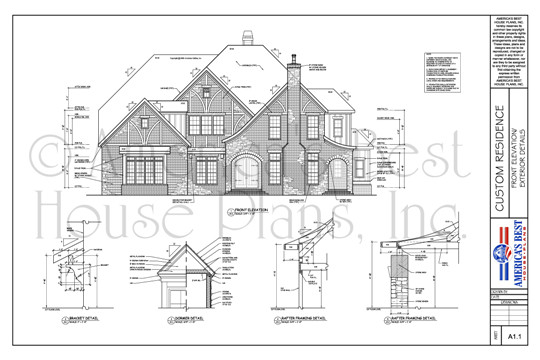
So we know the house plans are a set of drawings showing the structure that’s to be built.  It includes dimensions and other details that tell us the shape, size, and layout of your new home.  The house plan is extremely detailed and useful for building but it doesn’t address the surroundings…this is where the plot plan comes in.

The plot plan, sometimes called an engineered plot plan, addresses everything from the outside walls of the home to the property lines.  It shows how the plan sits on the lot, including the orientation and relationship to the property lines.  The plot plan also includes details on how the lot should drain to prevent standing water.  In doing so, it helps prevent foundation water intrusion by efficiently moving rainwater away from the home.

Creating the Plot Plan

Typically, a professional civil engineer creates the plot plan. Once you have a lot and a house plan, (s)he can start working on your engineered plot plan.  It’s good to have a local engineer create the plot plan as they will be familiar with local zoning requirements.  Zoning requirements tell you how close your home can be to lot lines.  These requirements are meant to keep a consistent look to the community and make sure everyone is playing by the same rules.  You wouldn’t want your neighbor to build right up to your property line…the zoning rules protect you from this.

Drainage is a key part of any professionally designed plot plan.  The engineer will set the height (a.k.a. elevation) of the home to ensure you have proper drainage away from the building.  So setting the height of the home takes into consideration code requirements (typically a drop of 6” is required for the first 10’ around the home), the current elevations on the lot and adjacent property (including the road, public sidewalks…etc.), and the height of any storm drains or utilities on the property.  This information forms the basis for the design.

While creating the plot plan, the engineer should include costs into consideration.  You don’t want to set the home too high as this will require additional fill material.  At the same time, you don’t want the home to be set too low as it could require you to truck dirt off of the site and cause drainage problems.  Moving dirt either onto or off of a home site can get extremely expensive so it should be avoided at all costs.

The other item to consider is the bearing for the foundation.  If the home is set too high, it could require engineered fill to be installed to support the new foundation.  Engineered fill means that dirt or stone is used to fill and compact the area under the foundation to keep it from settling.  The “engineered” part means that equipment must be used following a specific procedure to ensure a solid base for the home.

Other Important Considerations

Adjacent Water Bodies:  You don’t want to build your home too close to adjacent bodies of water.  This is especially true if your home has a basement.  Migration of water from the pond, lake or stream could create troubles for your foundation.

Driveway Slope:  If your new dream home will be located in a cold climate, the slope of the driveway should be carefully considered.  Most professional builders like to keep the slope under ten percent whenever possible to minimize troubles with ice and snow.

Utilities:  Your plot plan should show the location of all utilities on the lot.  This would include the location of water and sewer service laterals.  By having these on the plot plan, it makes is easier for a homeowner to find them in the future should the need arise.

House Orientation:  You may want to have your engineer adjust the orientation of the home to take advantage of the sun.  Depending on the location of your new home, you may want increase sun exposure in the winter months.  Or maybe your plan is to install solar panels and you want to maximize their surface area to the sun’s rays.

Easements:  Easements are areas designated for utilities like electric and sewer (both storm and sanitary), and for access to common elements.  The important thing to know is that you cannot build in these locations.  Having these areas noted on the plot plan allows you to make future decisions on the placement of fences, decks, pools, additions…etc.

So your plot plan is quite a bit different than your house plan.  However, both play an integral role in your new home building project.

Michael Luckado

Michael Luckado has built, remodeled, and repaired thousands of homes across the U.S. He co-founded ArmchairBuilder.com to help people save money and time creating their dream home.

Related Articles

November 20, 2023

/

Tim Hampton

How Much Does it Cost to Vault a Ceiling?

  Learn about the expenses of building a new home with vaulted ceilings or adding a vaulted…

READ MORE

October 18, 2023

/

Tim Hampton

The Timeless Appeal of Colonial-Style Houses

  What is a Colonial Style House? Characteristics & Types   Explore the enduring…
READ MORE

October 10, 2023

/

Megan Hall

Install Cabinets Before or After Flooring?

Discover expert advice on whether to install cabinets or flooring first in new constructions. Get…
READ MORE

September 28, 2023

/

Tim Hampton

Our Dream Address: The Jones Family Home-Building Journey

Building a home can be an extensive process, so learning from another family’s building experience…

READ MORE

September 25, 2023

/

Megan Hall

New American Floor Plans Combine Innovation and Comfort

The architectural evolution of American floor plans is one of the multiple cultural shifts,…
READ MORE

September 13, 2023

/

Tim Hampton

The Unique & Rustic Character of Gambrel Roof House Plans

The essence of a Barn invokes strong nostalgic memories of hardworking farmers, simpler times…
READ MORE

August 28, 2023

/

Megan Hall

Build My Own House: Qualifications & Recommendations

Ready to build your dream home as an owner-builder?   Learn about qualifications and…
READ MORE

July 18, 2023

/

Megan Hall

Home Blueprints Pave the Way to Your Perfect Space

When it comes to building your dream home, the foundation lies in the blueprint. To capture the…
READ MORE

July 6, 2023

/

Brandon Hall

Simple House Plans that Blend Function and Style

When it comes to our busy and stressful everyday lives, sometimes simple is better; the…

READ MORE
Shop Account
Favorites
Cart
Chat